
AT A GLANCE
PARTNER
Cranial Technologies
PROGRAM
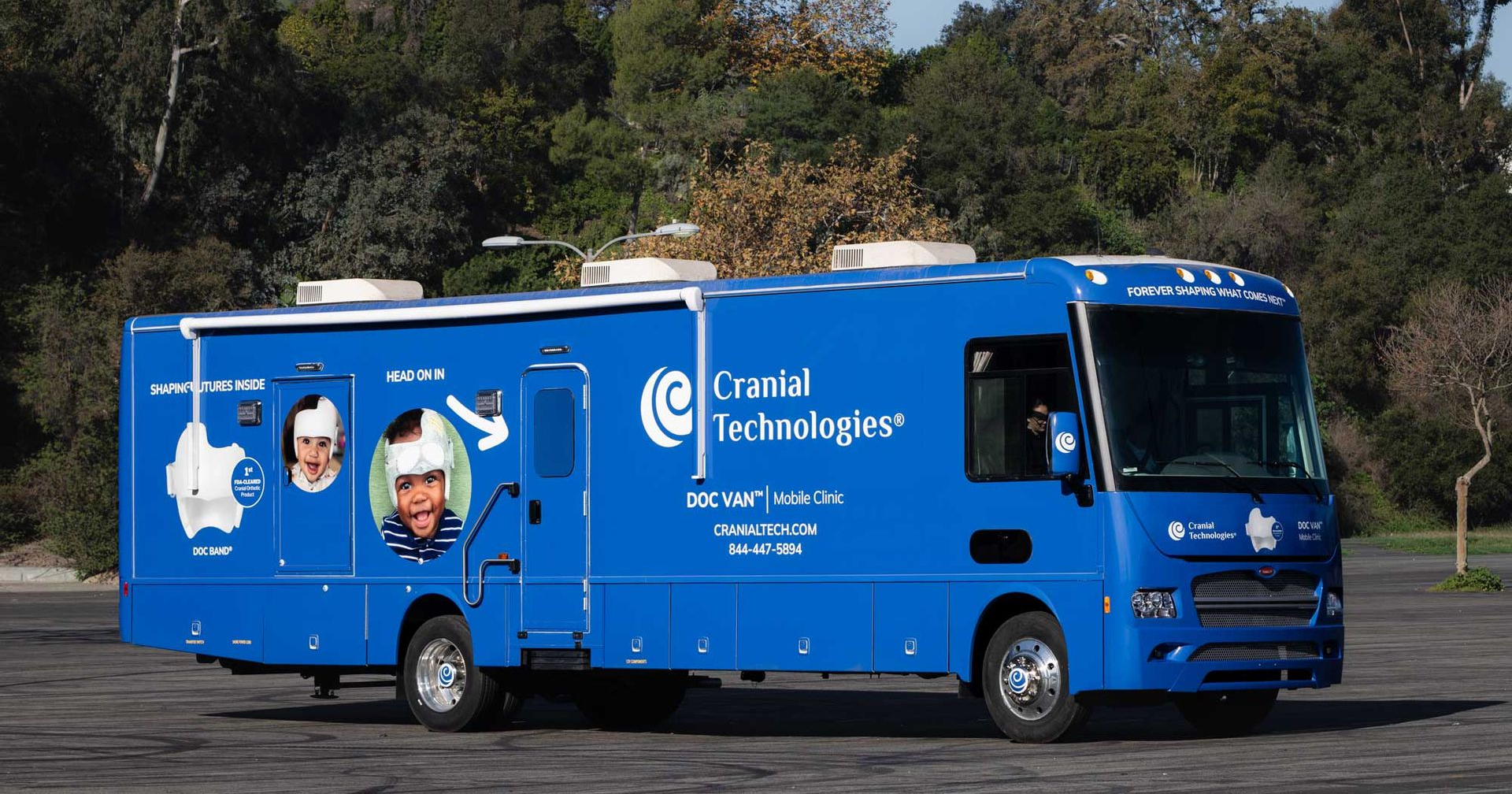
DOC Van® Mobile Clinic
USE CASE
Mobile plagiocephaly care
REGION
Southern California
ATLAS' ROLE
Mobile Clinic design & manufacturing, accreditation support, launch planning, route logistics, and ongoing operations.
MODEL
Mobile expansion to expand patient care and test new markets before permanent investment.
MARKET REACH
4 expansions markets reached with 1 mobile clinic
REVENUE OPPORTUNITY
$16M/year addressable annual market expansion
TIME SAVED
2,000+ hours of family drivetime saved per year
Partner Introduction

Cranial Technologies is a leading provider of cranial shaping orthoses for infants with plagiocephaly and has helped treat more than 400,000 children since 1986. The company developed the DOC Band®, the first FDA-cleared cranial helmet for plagiocephaly treatment. With an established specialty-care model and a broad clinic footprint, Cranial Technologies needed a lower-risk way to expand access into additional Southern California communities. Atlas Medical supported the mobile strategy, build, deployment, and operating framework behind that expansion.
01 • The expansion Challenge
Reaching families and investing in unfamiliar markets
Cranial Technologies wanted to reach families outside its existing clinic footprint, but opening several permanent sites before local demand was proven would have created significant capital risk. The expansion challenge was not only geographic; it was also operational. The organization needed a way to test multiple communities, reduce travel burden for families, and preserve the quality and familiarity of its clinical experience.
A mobile clinic model created a practical alternative. Instead of committing to fixed infrastructure first, Cranial could begin serving families, build visibility with local providers, and learn from actual referral and patient demand before making longer-term brick-and-mortar decisions.
1
Demand in new markets is hard to estimate accurately before launch.
2
Fixed-site expansion is slower, more expensive, and harder to reverse if demand falls short.
3
Referral networks and patient demand take time to develop in any new market.
4
A mobile clinic can create earlier access while generating real-time market feedback.
02 • The Strategic Option
Why a mobile clinic was the right expansion strategy.
Atlas' Mobile Strategy allowed Cranial Technologies a way to enter four new markets at once. Testing demand, building local visibility, developing referral sources and adjusting in real time without commiting to a permanent investment.
Faster Market Entry
Operating in months, not the years it takes to permit, build, and staff a permanent clinic.
Lower-risk demand testing
Validate patient demand in real communities before committing capital to fixed infrastructure.
Local referral visibility
A recurring physical presence builds awareness with parents, pediatricians, and providers.
Multiple access points
One clinical environment serves several communities on a repeating weekly cadence.
Adjustable in real time
Routes, locations, and frequency can be adjusted based on actual demand — not assumptions.
03 • THE ATLAS SOLUTION
How Atlas powered the DOC Van mobile clinic program.
Atlas Medical’s role was to power the mobile clinic program behind the scenes so Cranial Technologies could stay focused on clinical care, staffing, scheduling, and the family experience. Atlas supported the DOC Van program across design and manufacturing, deployment planning, accreditation support, route and site coordination, and ongoing operating logistics.
Design + Manufacturing
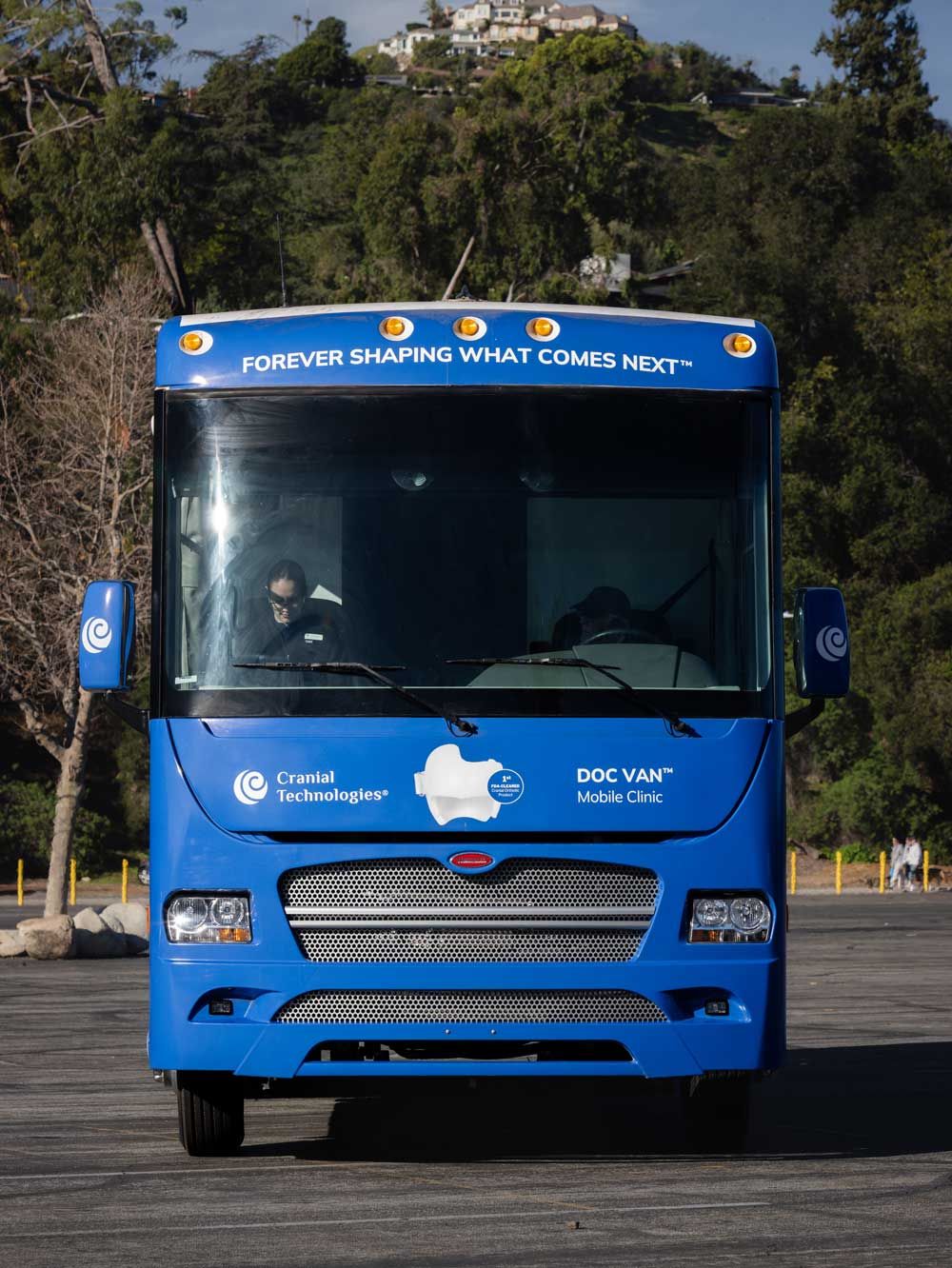
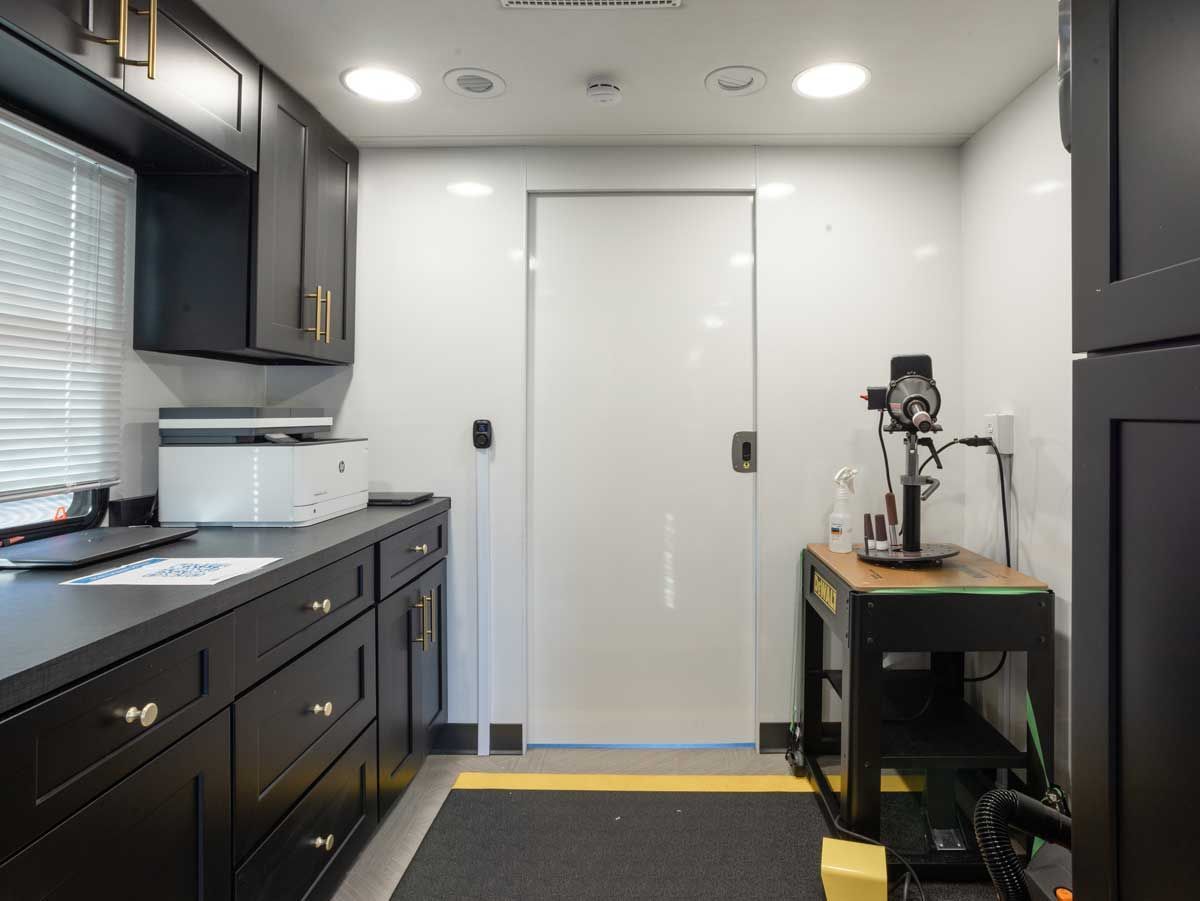
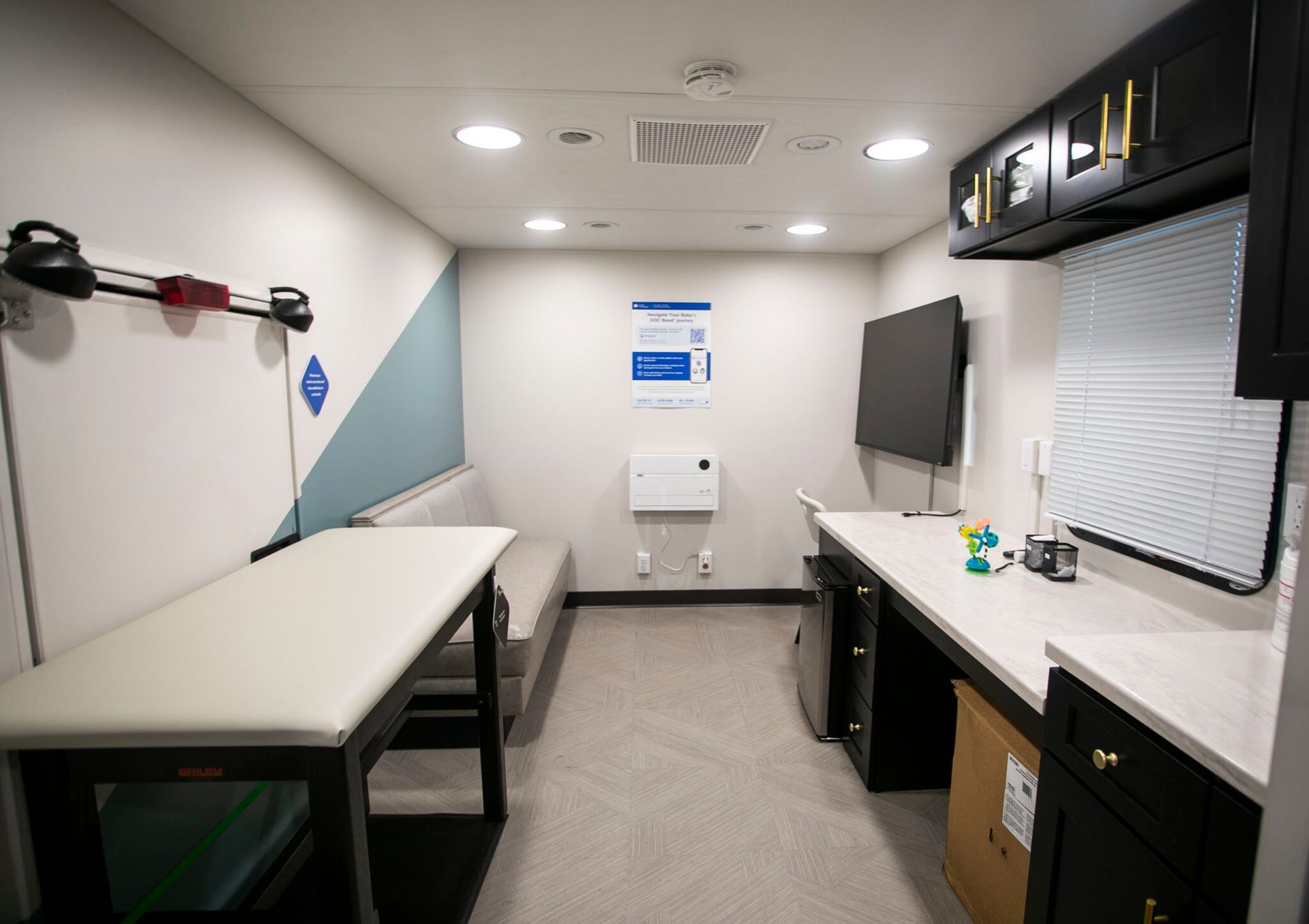
Designed and manufactured the DOC Van to replicate the patient and clinician workflow experience of Cranial Technology clinics.
Deployment Planning
Supported the transition from concept to launch, including operational planning and readiness.
Route + Site Coordination
Structured the mobile strategy around repeatable, high-visibility community access points.
Daily Mobile Operations
Logistics, readiness, maintenance, cleaning, parking, and day-of operational needs — handled.
Launch + Growth Support
Made the mobile clinic visible to patients, providers, and local communities from day one.
Decision-grade Learning
Weekly operation generates real-time market feedback for future expansion planning.
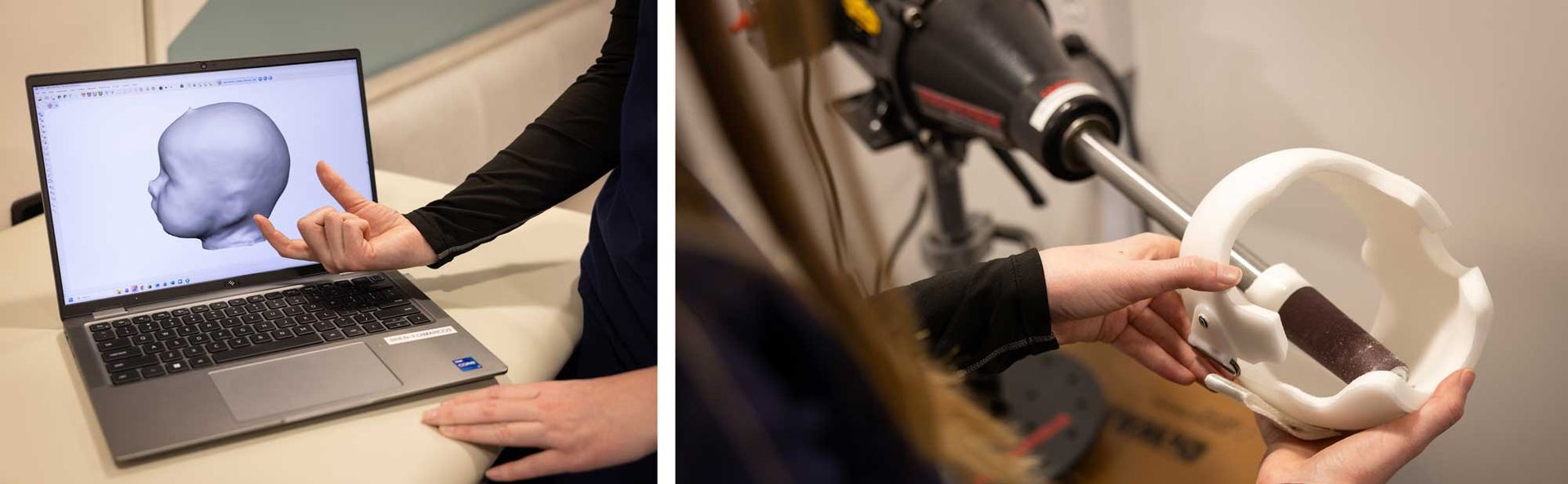
Atlas Medical focuses on the mobile strategy, logistics, and operating model so Cranial Technologies can focus on patients.
04 · Tour the Build
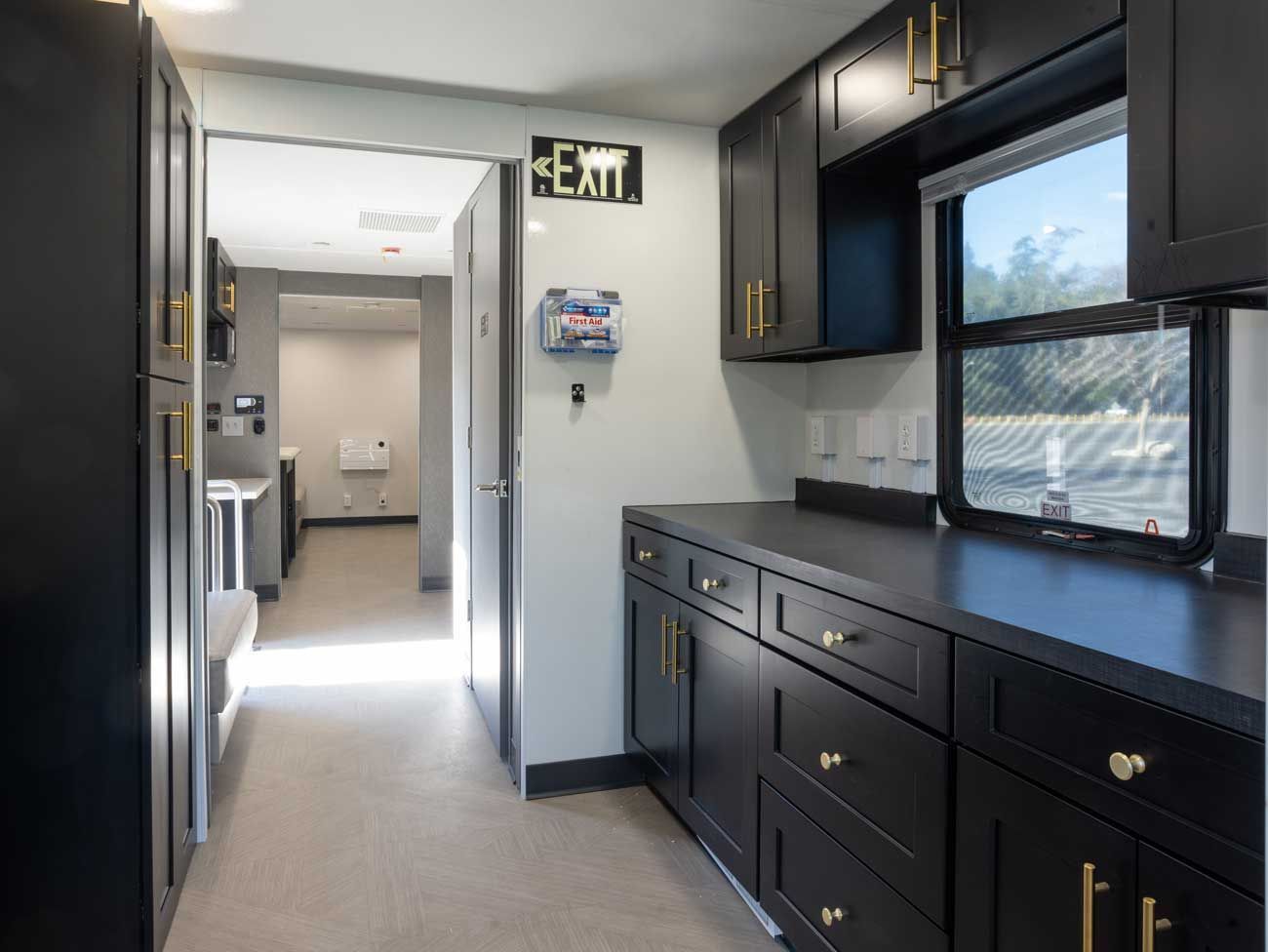
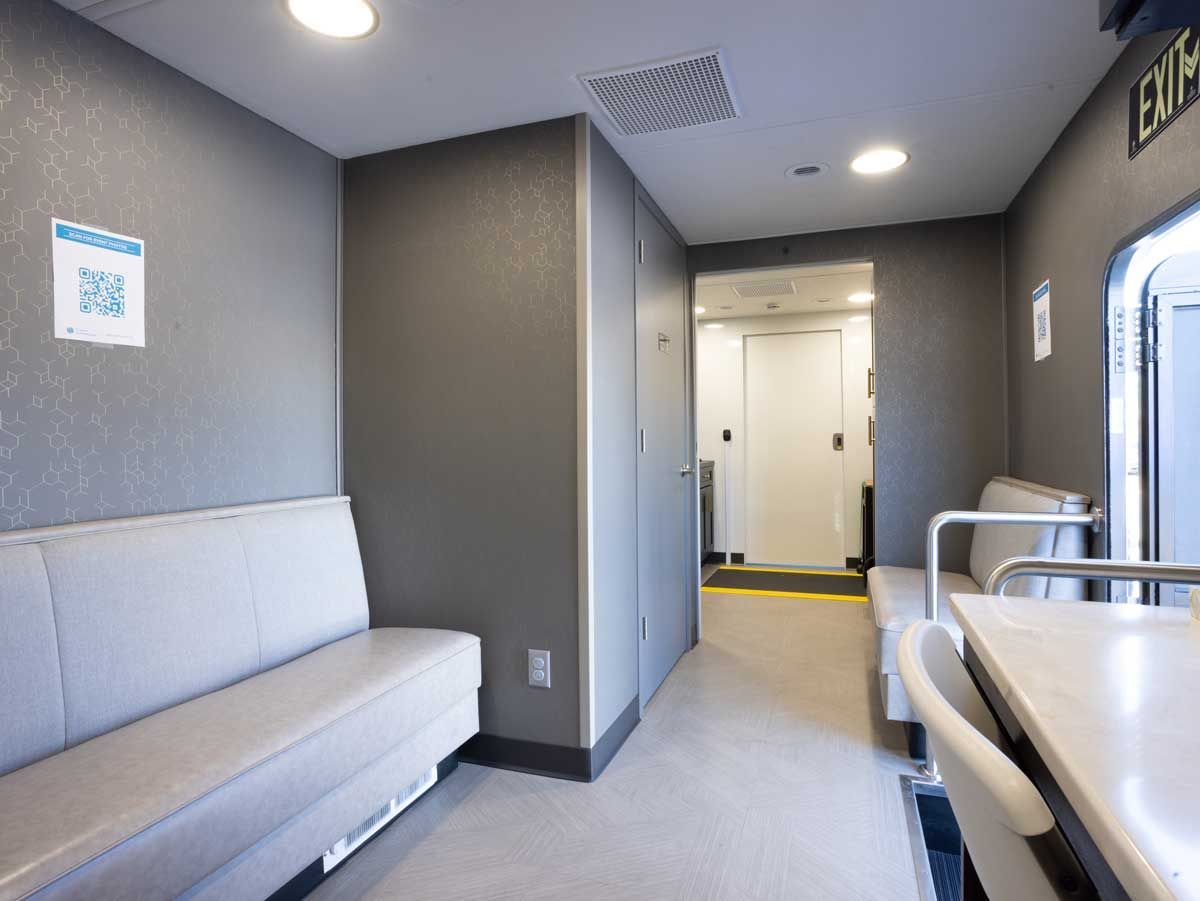
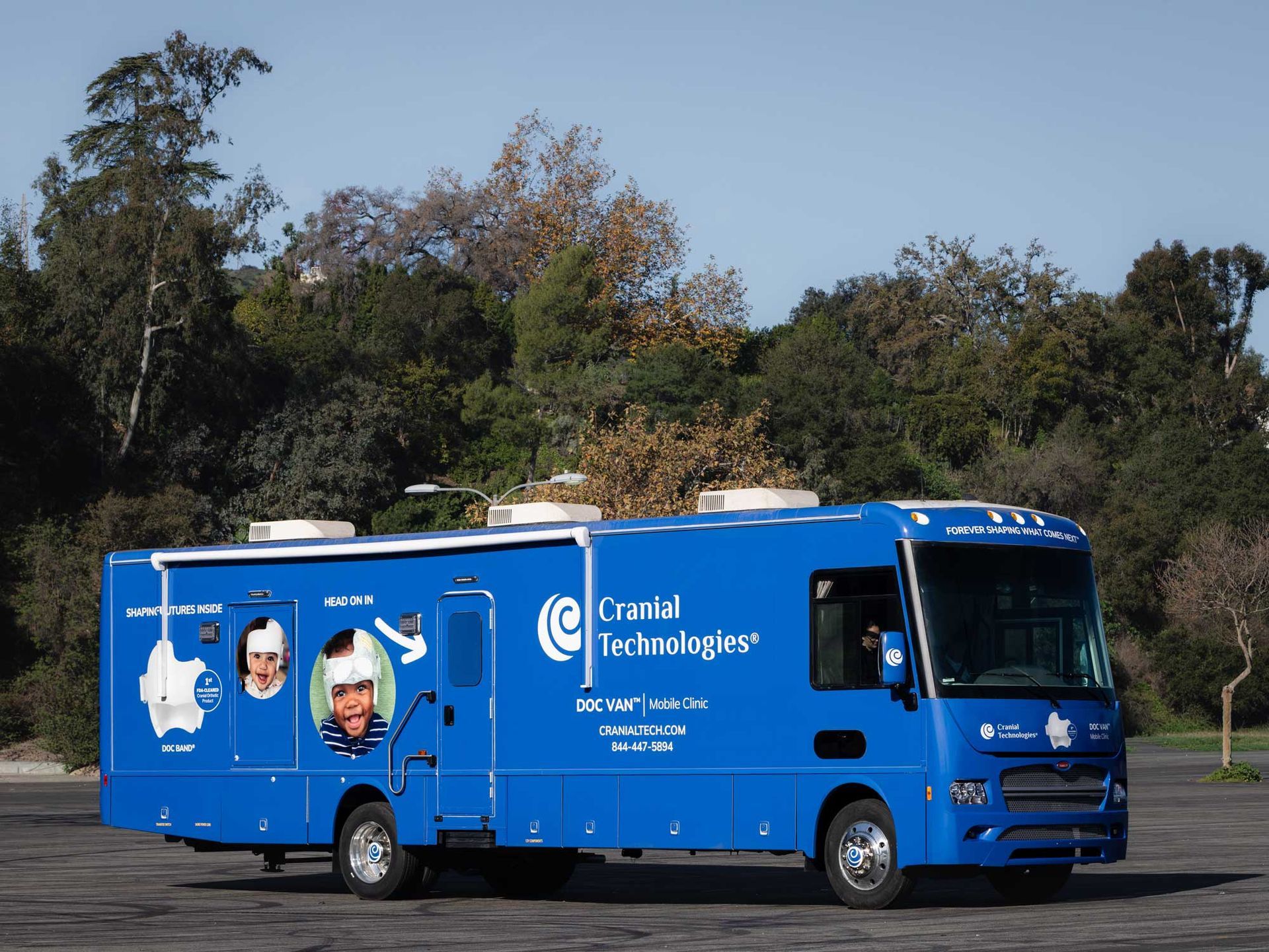
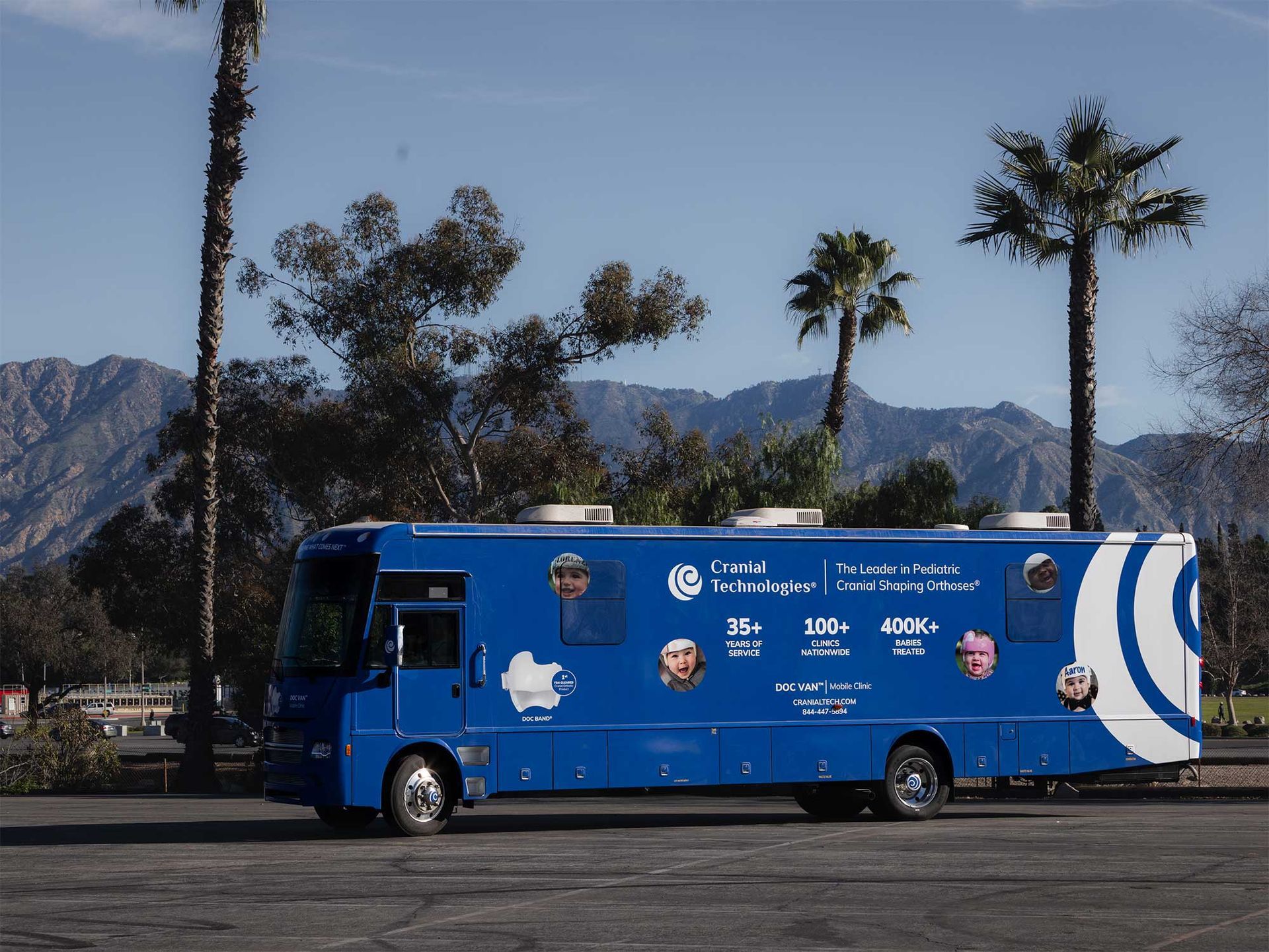
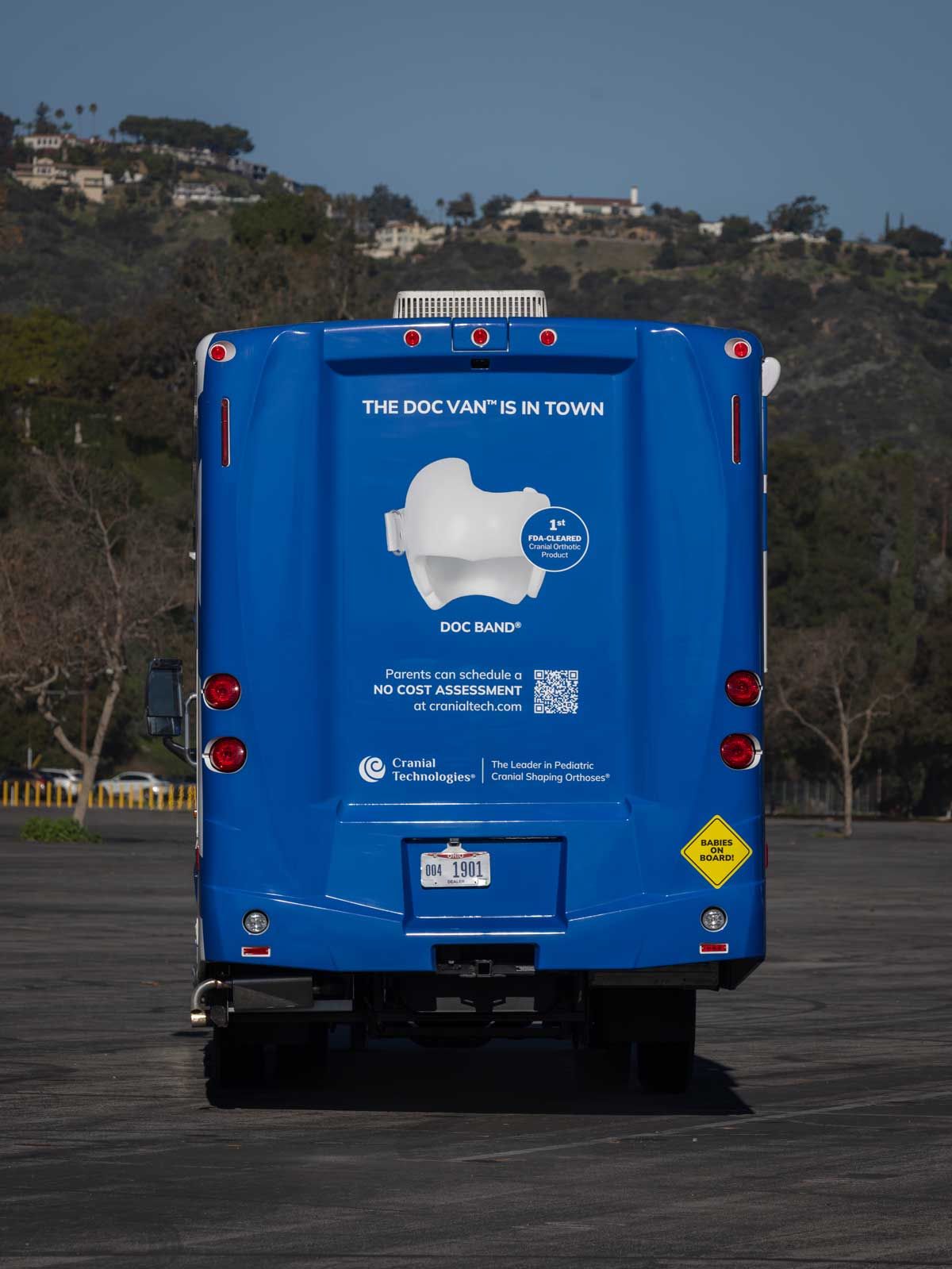
Inside the Cranial Technologies DOC Van®.
Every interior surface, equipment placement, and patient touchpoint was designed to mirror the experience of a permanent Cranial Technologies clinic.
05 • Implementation
From go-live decision to patients in seats.
Phase 01
Discovery & Clinical Alignment
Map clinical workflows, patient flow, and brand standards to the mobile environment.
Phase 02
Custom Clinic Design & Build
Engineer the mobile clinic around Cranial Technologies' equipment, patient experience, and brand.
Phase 03
Accreditation Support
Coordinate the path to ABC accreditation and clinical readiness to prepare for go-live.
Phase 04
Route & Site Coordination
Locate strategic parking locations and coordinate a daily logistics schedule to maximize patient throughput.
Phase 05
Go-Live
First patients seen in the DOC Van® — January 2026.
Phase 06
Ongoing Operations
Atlas operates the mobile program day-to-day so Cranial Technologies stays focused on patients.
06 · Operating Model
Who owns what.
One mobile clinic program. Two specialized teams. Clear operational responsibility.
ATLAS MEDICAL
Mobile clinic strategy, build, and daily operations.
- Mobile clinic design and manufacturing
- Route planning and parking support
- Maintenance and clinical readiness
- Cleaning, supplies, fuel, water, and waste coordination
- Operational support and issue escalation
CRANIAL TECHNOLOGIES
Clinical care, patient experience, and brand.
- Clinical care delivery
- Clinical protocols and standards
- Patient relationships
- Clinical staffing
- Diagnosis, treatment, scheduling, and billing
- Brand and patient communications
07 • THE RESULT
IMPROVED PATIENT ACCESS AND MARKET PENETRATION
Atlas Medical and Cranial Technologies partnered to launch the DOC Van® in January 2026. Since launch families in Southern California have experienced increase access to Cranial Technologies Plagiocephaly treatment and Cranial Technologies has real-time market insights for future expansion strategies.

Market Opportunity
$16M/year
Addressable annual market accessed using a single mobile clinic.
New Markets Reached
4x
Cranial Technologies expanded into four new markets simultaneously.
Weekly Cadence
4
Recurring community stops every week across Southern California.
Industry First
The only ABC-accredited mobile clinic.
A new accreditation precedent for mobile pediatric, prosthetic, and orthotic specialty care.
Go-Live
Jan 2026
From concept to first patients seen — on schedule.
Capital Efficiency
1 Unit
A single mobile clinic replacing four permanent locations.
08 •IN THE PRESS
Coverage of the DOC Van® launch.

Industry Publication

DOC Van™ expands plagiocephaly care for families beginning Jan. 13 through a new mobile model developed with Atlas Medical
Industry Publication

Mobile clinic providing new diagnosis, treatment of syndrome facing some Ventura County infants
See how Atlas helps healthcare organizations expand access through lower-risk mobile care partnerships.
What The Cranial Tech Team Says

Launch A Mobile Clinic Program
Considering a mobile clinic to test new markets or expand patient access? Atlas Medical helps healthcare organizations design, launch, and operate mobile clinic programs with a clearer path to go-live and a lower-risk expansion model.
Talk with our team about your specialty, geography, and program goals.