How Imaging Technology Made Minimally Invasive Surgery Possible
Minimally invasive surgery results in less pain, faster recoveries, reduced infection rates, and less scaring for patients. (Hyun Kim, n.d.)These advantages over traditional ‘open’ procedures have resulted in patients preferring minimally invasive techniques, surgeons becoming trained on them, and a proliferation of medical devices designed
to make such techniques possible. Visualization of the patients anatomy is the biggest challenge when performing minimally invasive procedures. Surgeons need to be able to visualize what their tools are doing inside of the patient’s body without ‘opening’ the patient. One technique used to visualize patient anatomy and surgical tools during minimally invasive surgeries is live x-ray: better known as fluoroscopy.
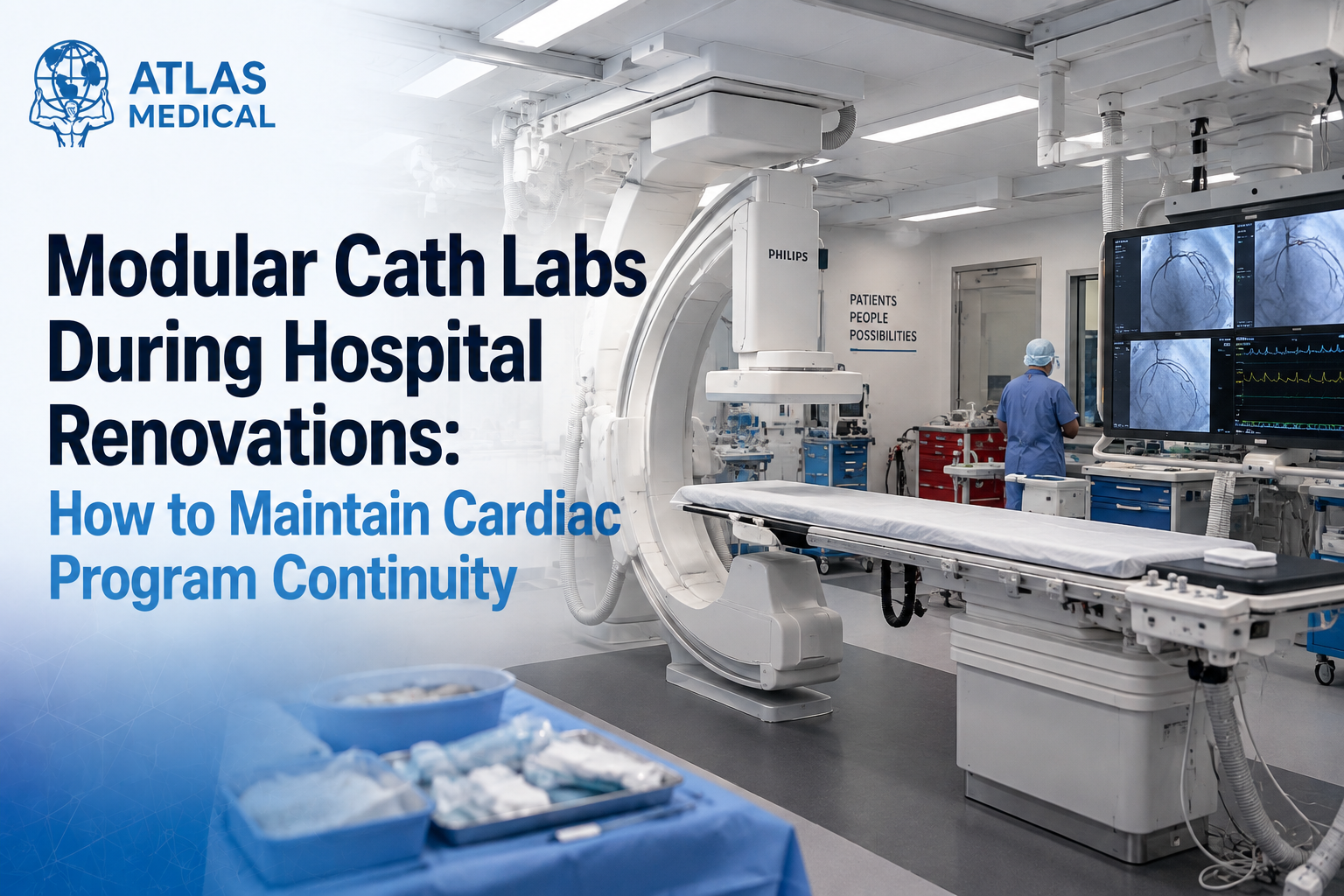
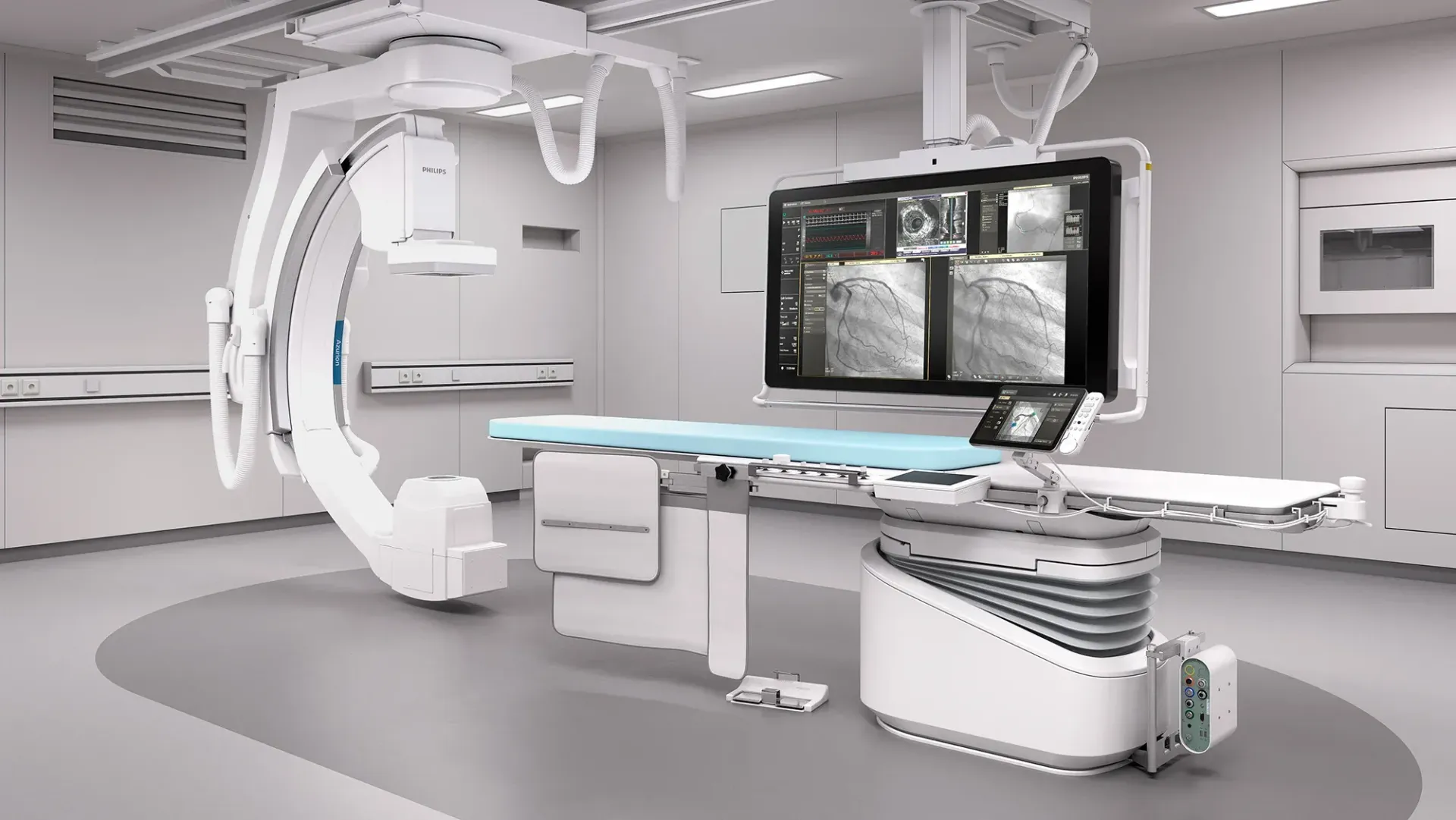
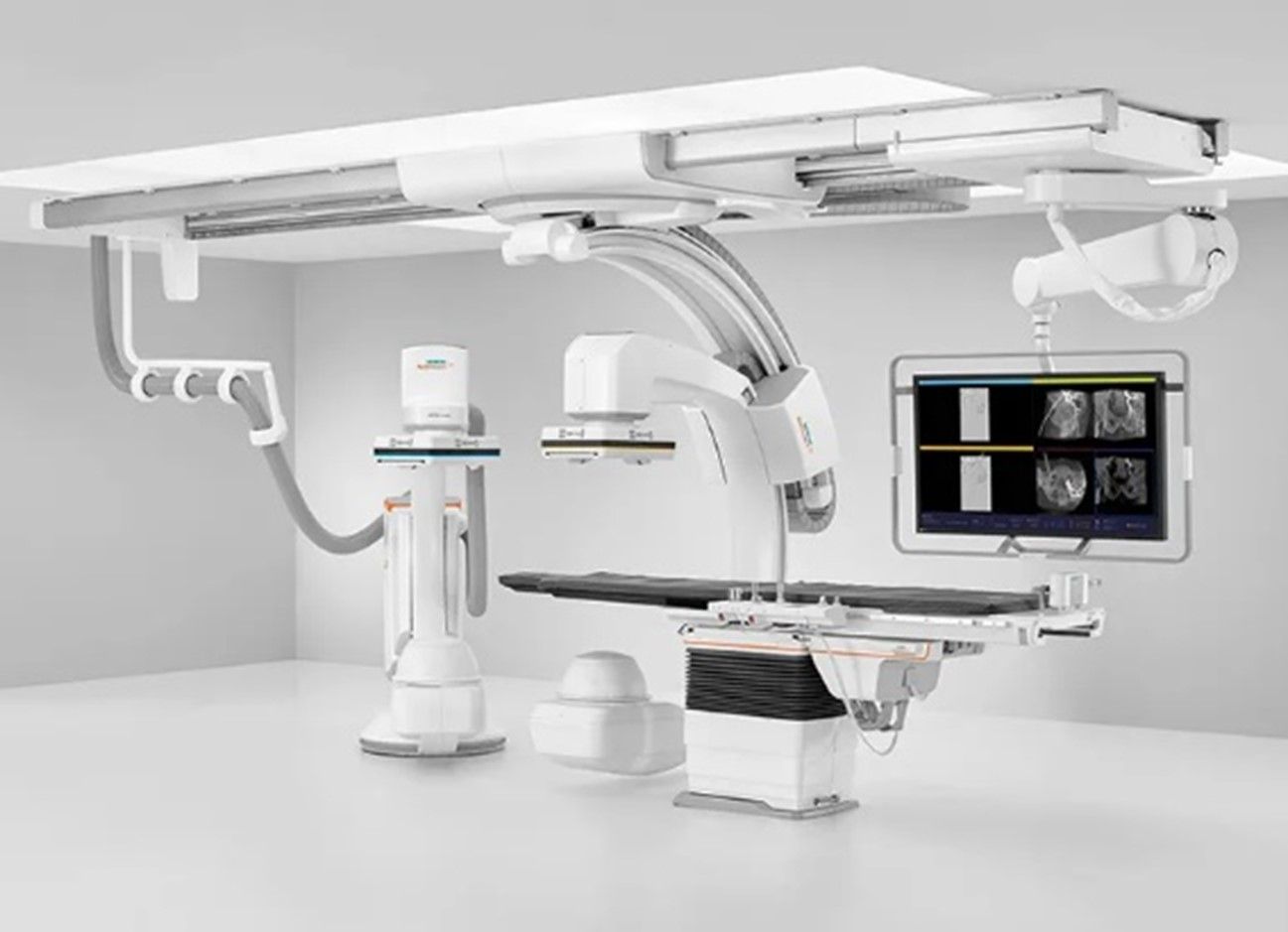
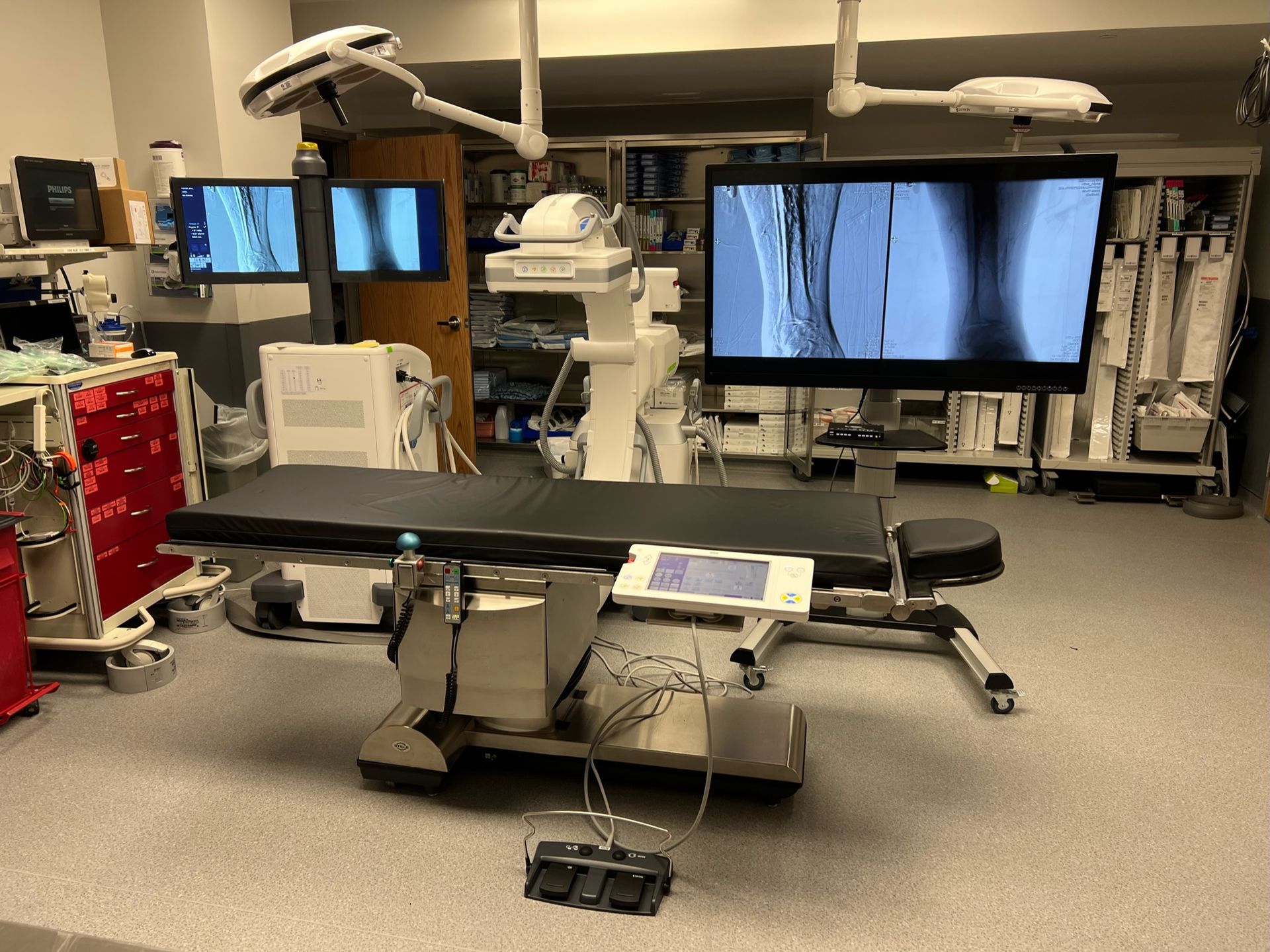
State of the art fluoroscopy systems are built into hospital and ASC/OBL rooms. They consist of 3 main components:
1. a C-arm built into either the floor or ceiling
2. a table installed into the floor
3. a large monitor and boom installed on the ceiling
These fluoroscopy systems are commonly referred to as ‘fixed labs’ and have a life of 10-15 years. Replacing these systems costs millions of dollars and requires the room to be out of use for 3 – 6 months. This ‘down time’ results in reduced capacity for surgical providers and consequently forces them to reduce their surgical volume. This negatively impacts both their patients and their bottom line.
Surgical providers can continue to operate on patients during this downtime by utilizing mobile equipment to create a ‘mobile lab’. These mobile labs consist of the 3 main components of a fixed lab but each component is mobile:
1. a mobile C-arm on wheels
2. a mobile table on wheels
3. a mobile monitor system on wheels
Each component being mobile allows for the hospital/ASC/OBL to bring this equipment into an unused room and temporarily turn that room into a ‘mobile lab’. Unfortunately, most surgical providers either do not own these components or these components are being used elsewhere in the setting and are not free to be reserved for the 3–6-month construction ‘down’ period.
Enter Atlas Medical. https://atlas-medllc.com/
Sean Schneider
Mobile Project Manager · Atlas Medical
About the Author
Say hello to Sean Schneider - our Mobile Project Manager at Atlas Medical. Sean has worked in the medical imaging industry for over 20 years, including 10 years with Atlas Medical.
Sean has a knack for making complicated projects simple to understand. Around here, Sean's the man who keeps things moving smoothly.
When Sean isn't helping launch our mobile imaging units at new sites he enjoys spending time with his family, golf, and hockey.
Request a Mobile Imaging Solution
Our Services Include: