Mobile Cath Lab Rental Guide : Efficiency and Flexibility
The advantages of a mobile cath lab rental
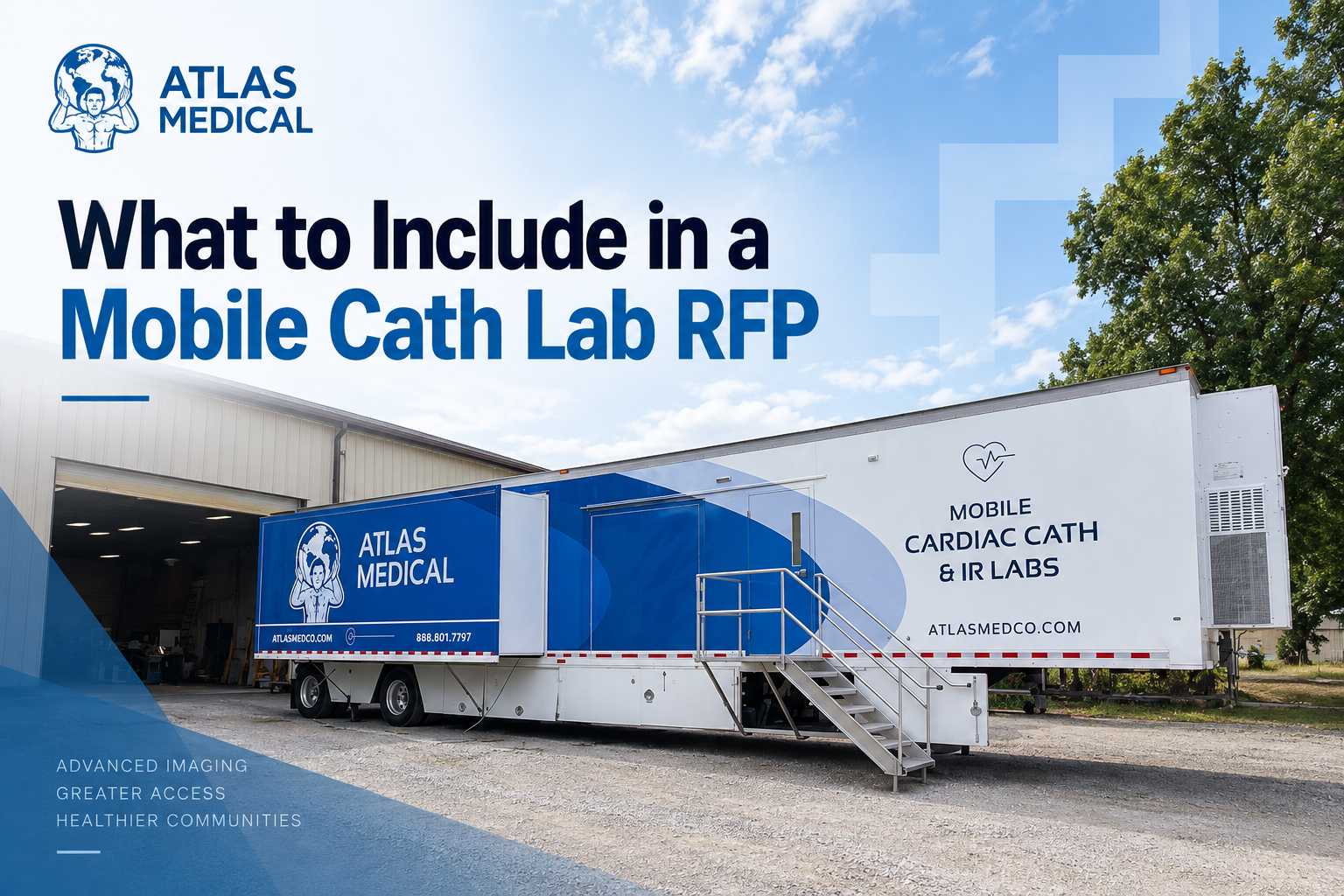
When it comes to providing quality medical care, efficiency and flexibility are key. And in the field of cardiology, mobile cath lab rentals offer healthcare facilities the advantages they need to deliver exceptional patient care without the high cost and maintenance associated with installing a permanent cath lab.
A mobile cath lab rental is a great solution to who:
- Need rental mobile imaging solutions during construction downtime
- Do not have permanent access to state of the art imaging and interventional technology
- Are experiencing a temporary or seasonal volume increase
- Require a temporary rental solution while waiting for budget approvals
Ready to compare trailers vs. modular units and request dates? Start here: mobile cath lab rental solutions
Mobile cath lab rental provides healthcare providers with the opportunity to access state-of-the-art technology and equipment on an as-needed basis. This allows for greater flexibility in scheduling procedures and ensures that patients receive timely and accurate diagnosis and treatment. Additionally, by only paying for the time that the equipment is in use, medical facilities can significantly reduce their overhead expenses.
Furthermore, a mobile cath lab rental not only saves healthcare facilities money, but it also improves efficiency. With the rapidly advancing technology in the field of cardiology, it can be costly and challenging for medical facilities to keep up with the latest equipment. By opting for mobile cath lab rental, healthcare providers can access the most up-to-date technology without the burden of purchasing and maintaining equipment that may quickly become outdated.
In conclusion, mobile cath lab rental offers healthcare facilities the benefits of efficiency and flexibility, allowing them to provide high-quality cardiac care while minimizing costs and maximizing patient outcomes.
Cost savings with cath lab rental
One of the primary advantages of cath lab rental is the cost savings it offers to healthcare facilities. Owning and maintaining a cardiac catheterization laboratory can be an expensive endeavor. The initial investment alone can be significant, not to mention the ongoing costs of maintenance, repairs, and upgrades. By opting for cath lab rental, medical facilities can avoid these high costs and instead allocate their resources towards other critical areas of patient care.
Furthermore, with cath lab rental, healthcare providers only pay for the time that the equipment is in use. This means that during periods of low demand or downtime, medical facilities do not have to bear the burden of idle equipment. By eliminating unnecessary costs, cath lab rental allows healthcare facilities to operate more efficiently and allocate their resources more effectively.
In addition, mobile cath lab rental providers such as Atlas Medical offer comprehensive service and support packages as part of their rental agreements. This means that medical facilities can rely on the expertise of trained technicians to handle equipment maintenance, repairs, and troubleshooting. By outsourcing these tasks to professionals, healthcare providers can save both time and money, allowing them to focus on delivering the best possible care to their patients.
Flexibility in scheduling with cath lab rental
Another significant advantage of a mobile cath lab rental is the flexibility it provides in scheduling procedures. Cardiac catheterization procedures require precise timing and coordination, as they involve multiple healthcare professionals and specialized equipment. By renting a mobile cath lab, medical facilities can schedule procedures at their convenience, without being limited by the availability of in-house equipment.
This flexibility in scheduling allows healthcare providers to optimize their resources and ensure that patients receive the care they need in a timely manner. For example, during periods of high demand, medical facilities can rent additional equipment to accommodate the increased patient load. On the other hand, during periods of low demand, medical facilities can scale back their rental agreements to avoid unnecessary costs.
Furthermore, mobile cath lab rental providers such as Atlas Medical often offer flexible rental terms, allowing medical facilities to adjust their rental agreements based on their specific needs. Whether it's a short-term rental during a construction or upgrade project or a long-term rental for ongoing procedures, healthcare providers can choose the rental duration that best suits their requirements. This flexibility allows medical facilities to adapt to changing patient needs and market conditions, ensuring that they can deliver high-quality cardiac care without any interruptions.
Access to state-of-the-art equipment with cath lab rental
With the rapidly advancing technology in the field of cardiology, it can be costly and challenging for medical facilities to keep up with the latest equipment. By opting for cath lab rental, healthcare providers can access the most up-to-date technology without the burden of purchasing and maintaining equipment that may quickly become outdated.
Cath lab rental providers such as Atlas Medical offer a wide range of equipment options, from basic cath labs to advanced imaging systems. This allows healthcare facilities to choose the equipment that best suits their specific needs and budget. By renting state-of-the-art equipment, medical facilities can ensure that they are providing their patients with the highest level of care and the most accurate diagnosis and treatment options available.
In addition, mobile cath lab rental providers often offer ongoing equipment upgrades and updates as part of their rental agreements. This means that medical facilities can stay at the forefront of technological advancements in cardiology without incurring additional costs. By having access to the latest equipment, healthcare providers can enhance patient outcomes, improve diagnostic accuracy, and deliver more effective treatments.
How to choose the right cath lab rental provider
When it comes to choosing the right cath lab rental provider, there are several factors that healthcare facilities should consider.
First and foremost, it's essential to select a reputable provider with a proven track record in the industry. Look for providers such as Atlas Medical that have extensive experience in cath lab rentals and have a solid reputation for delivering high-quality equipment and services.
Additionally, consider the range of equipment options that the rental provider offers. Ensure that they can meet your specific needs and provide the level of technology and functionality required for your procedures. It's also important to inquire about the provider's service and support offerings. Look for providers that offer comprehensive maintenance and technical support to ensure that your equipment operates smoothly and efficiently.
Lastly, consider the cost and terms of the rental agreement. Look for transparent pricing structures and flexible rental terms that align with your budget and scheduling requirements. It's also a good idea to inquire about any additional fees or hidden costs that may be associated with the rental agreement.
Case studies: Success stories with cath lab rental
Consider the case of St. John's Hospital, which faced a major challenge when its in-house cath lab was scheduled for a six-month renovation. With the need to maintain patient care, St. John's Hospital turned to Atlas Medical.
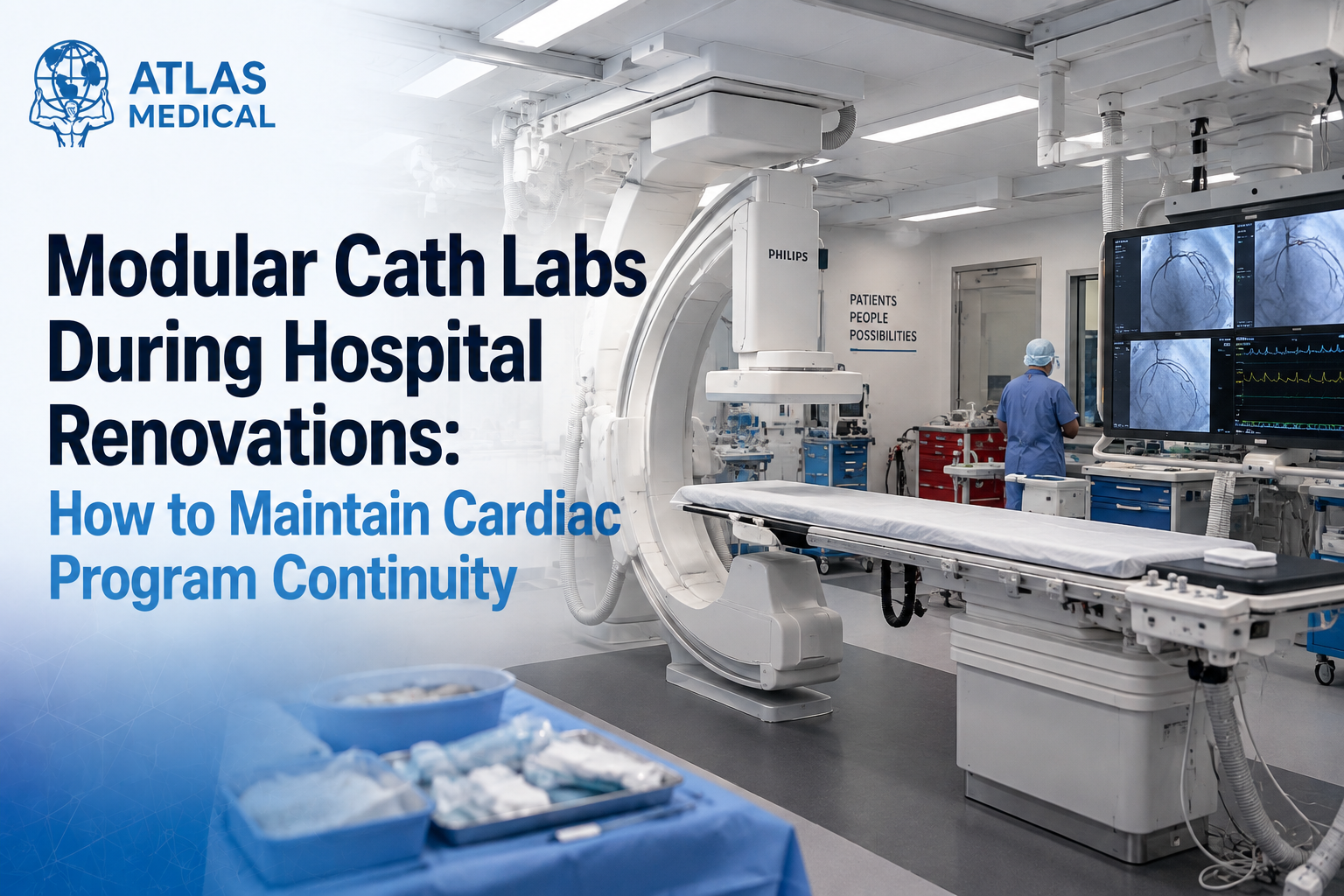
Atlas Medical provided clinical consultation to help St. John's team understand their various temporary cath lab options. St. John's case mix and surgeon preferences resulted in the conclusion that a Mobile Cath Lab Trailer was the best option. Since St. John's team had previously used a Philips Cath Lab and were replacing it with another Philips Cath Lab it was decided that St. John's would rent a Mobile Cath Lab Trailer that included a Philips system. This would allow for familiarity with the technology, image quality, and user interface.
St. John's subsequently rented one of our high-end Philips mobile cath labs on a fee/use agreement. This financial arrangement ensured that the rental Mobile Cardiac Cath Lab was financially feasible while providing St. John's patients with uninterrupted, top-quality cardiac care. The mobile lab was delivered, calibrated, tested, and installed within a week, and St. John's Hospital successfully managed their patient load without any impact in care quality. St. John's highest volume Interventional Cardiologist even stated that he preferred the Atlas Medical Mobile Cath Lab to the Cath Lab that was being replaced at the hospital.
Considerations when renting a cath lab
While cath lab rental offers numerous advantages, there are several considerations that healthcare facilities should keep in mind before making a decision.
Firstly, it's important to thoroughly assess your facility's specific needs and requirements. Consider the volume of procedures you perform, the level of technology and functionality you require, and the expected patient demand. This assessment will help you determine the type of equipment and rental agreement that best suits your facility.
Secondly, evaluate the rental provider's reputation, experience, and customer reviews. Look for providers with a proven track record in the industry and positive feedback from other healthcare facilities. A reliable rental provider will not only deliver high-quality equipment but also provide excellent service and support.
Lastly, review the rental agreement in detail before signing. Pay attention to the pricing structure, rental duration, maintenance and support services, and any additional fees or charges. It's important to have a clear understanding of the terms and conditions to avoid any surprises or misunderstandings later on.
Conclusion: Is cath lab rental right for your facility?
As technology continues to advance rapidly in the field of cardiology, the mobile cath lab rental industry is expected to grow. With the increasing demand for cardiac catheterization procedures and the need for cost-effective solutions, more healthcare facilities are likely to turn to rental mobile cath labs to meet their equipment needs.
Furthermore, as the healthcare industry evolves and new treatment modalities emerge, cath lab rental providers such as Atals Medical will continue to adapt and offer innovative solutions. This could include the integration of artificial intelligence and advanced imaging technologies into rental equipment, allowing healthcare providers to further enhance patient outcomes and diagnostic accuracy.
In conclusion, cath lab rental offers healthcare facilities the benefits of efficiency and flexibility, allowing them to provide high-quality cardiac care while minimizing costs and maximizing patient outcomes. By enabling access to state-of-the-art equipment, offering flexibility in scheduling, and providing cost savings, cath lab rental has become a preferred option for many healthcare providers. However, it's essential to carefully evaluate rental providers and consider specific facility needs before making a decision. With the right rental agreement in place, healthcare facilities can deliver exceptional patient care while staying at the forefront of technological advancements in cardiology.
---
Is cath lab rental right for your facility? Contact us today to learn more about our flexible rental options and how we can help you optimize your cardiac care services.
About Atlas Medical
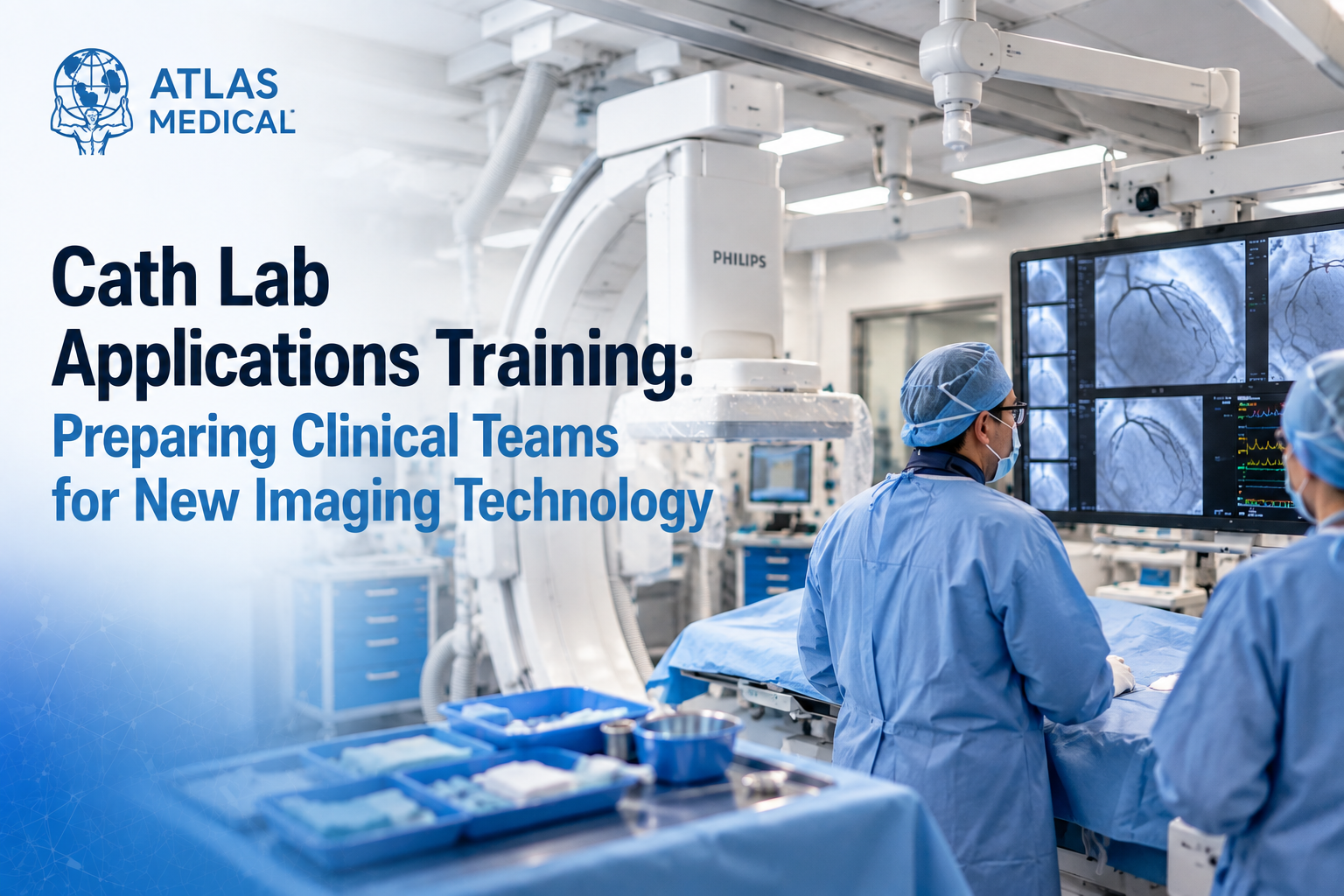
Atlas Medical, a pioneer in mobile imaging solutions, has been dedicated to serving hospitals and healthcare facilities across the continental United States for over a decade. Renowned for our state-of-the-art imaging technology, award-winning service, and unmatched clinical expertise, we specialize in providing customized mobile cath lab rentals. Our fleet boasts cutting-edge systems from industry leaders like Philips, GE, and Siemens, each designed specifically for cath lab procedures. We are committed to delivering turnkey solutions encompassing the latest imaging technology, comprehensive technical support, application training, and flexible financial options. At Atlas Medical, we pride ourselves on enhancing patient care and supporting healthcare providers with innovative, efficient, and reliable mobile medical solutions.
support@atlas-medllc.com

Sean Schneider
Mobile Project Manager · Atlas Medical
About the Author
Say hello to Sean Schneider - our Mobile Project Manager at Atlas Medical. Sean has worked in the medical imaging industry for over 20 years, including 10 years with Atlas Medical.
Sean has a knack for making complicated projects simple to understand. Around here, Sean's the man who keeps things moving smoothly.
When Sean isn't helping launch our mobile imaging units at new sites he enjoys spending time with his family, golf, and hockey.
Request a Mobile Imaging Solution
Our Services Include: