Regulatory Guide: Securing State Approval for a Philips Cath-Lab Trailer
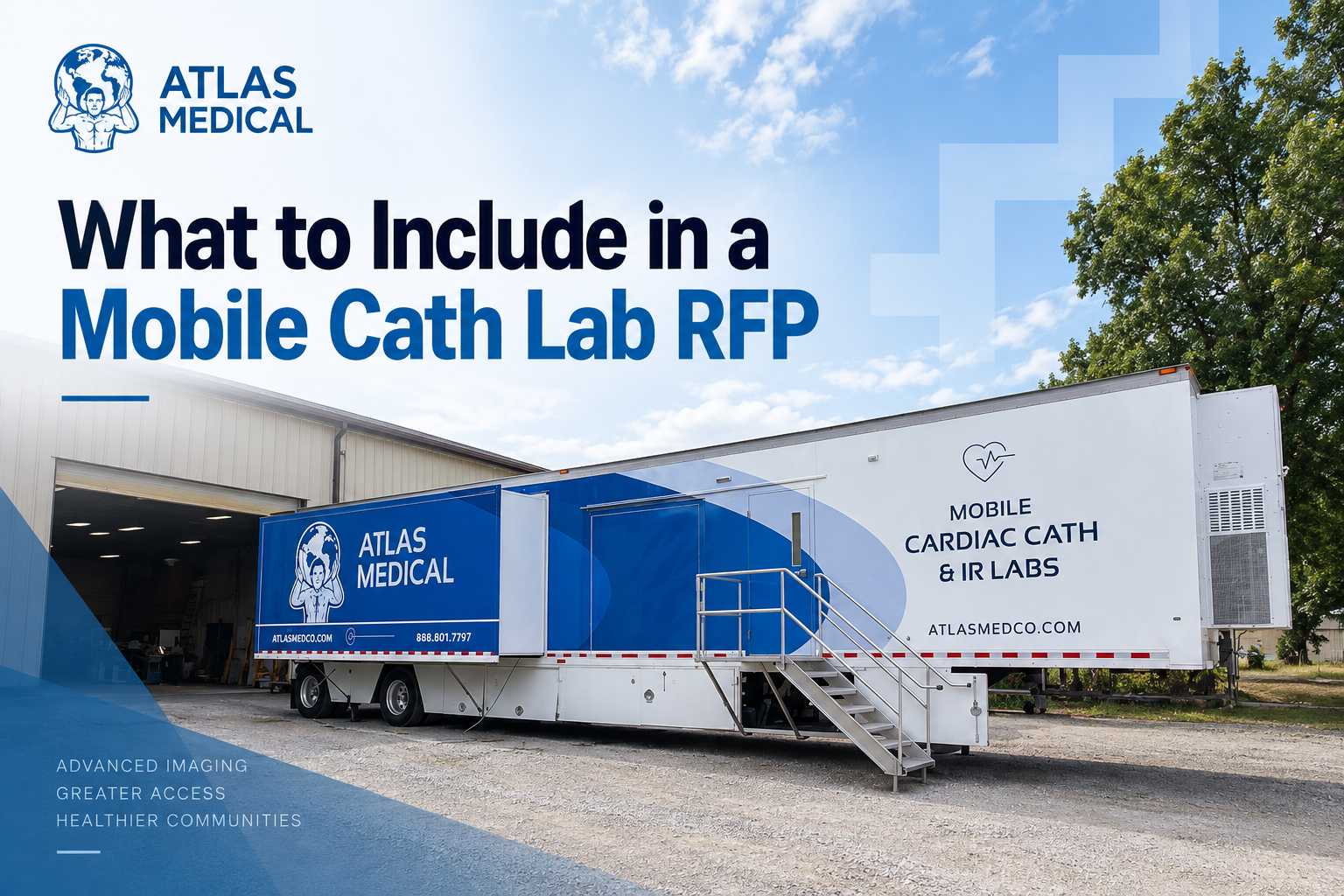
Philips Mobile and Modular Cath Lab Rentals
Why These Approvals Matter
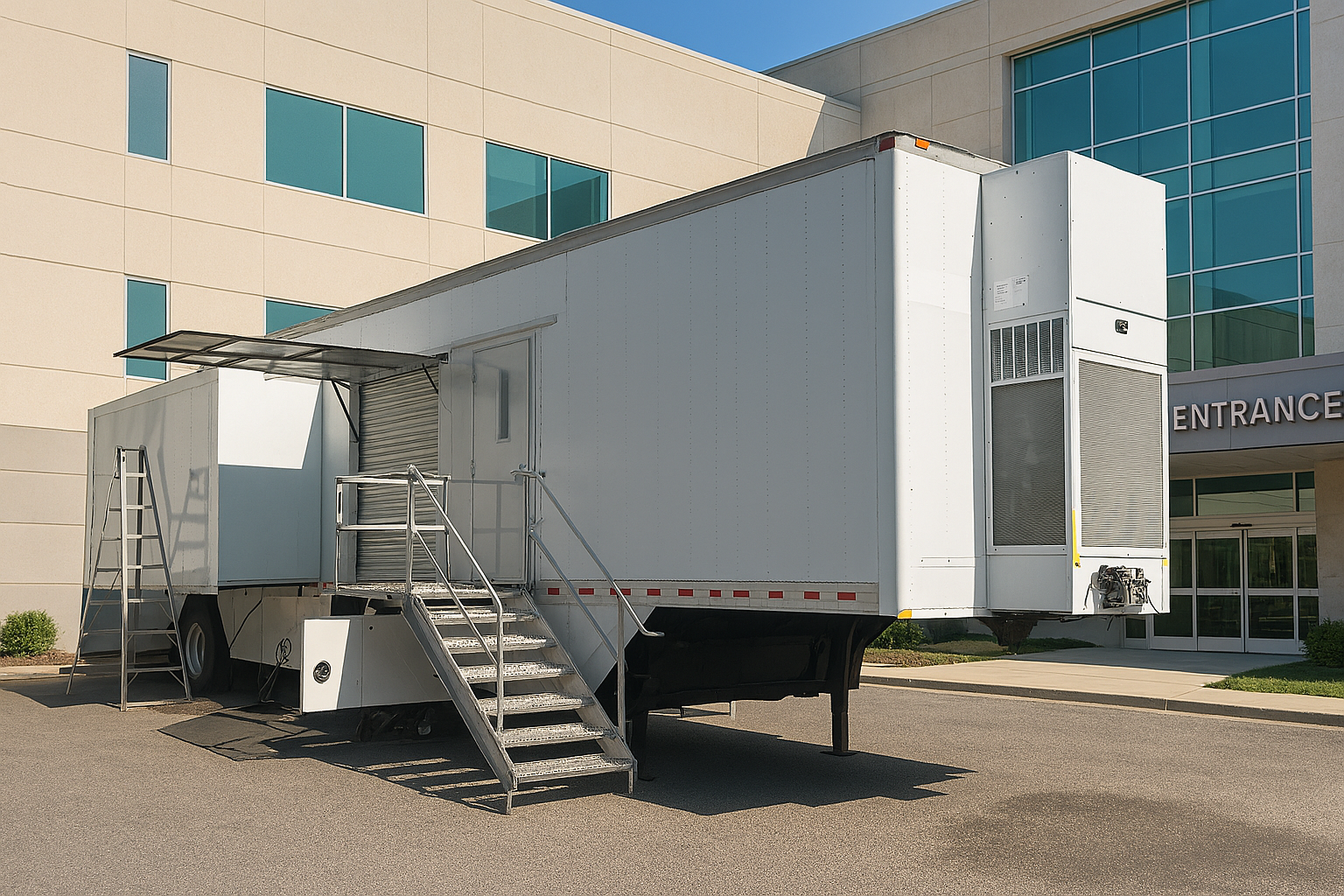
Even though your Philips mobile cath lab is fully built and CE marked, most state Departments of Health (DOH) or Public Health (DPH) still require a formal review before first patient use. Skipping the paperwork can invalidate reimbursement, delay construction schedules, and expose the hospital to penalties.
Who Regulates Mobile Cath Labs?
- State DOH / DPH – reviews radiation shielding, infection-control, and clinical-services scope.
- Radiation-Control Bureau (in many states) – evaluates lead equivalency and physics testing.
- Local building & fire departments – verify electrical, structural, and egress safety.
- Facility accreditation bodies (TJC, DNV, AAAHC) – may ask for the approval letter during survey.
Five-Step Roadmap to Fast Approval
Need a unit slotted while paperwork moves? Coordinate dates through mobile cath lab rentals.
- Pre-application call
- Contact your state DOH inspector and confirm which forms apply to a temporary mobile cath lab.
- Ask for typical review timelines; many states will fast-track if patient services would otherwise stop.
- Gather core documents
- Philips manufacturer’s spec sheet (shows IEC 60601 compliance).
- Trailer floor plan with lead-wall notation.
- Radiation safety officer (RSO) letter and shielding design outline.
- Service-agreement copy (proves 24/7 support).
- Submit the application
- Include a cover letter explaining renovation context and patient-safety benefits.
- Pay the one-time mobile-unit fee (ranges $200–$1,500).
- On-site inspection
- The state inspector will verify power, egress paths, and shielding integrity.
- Have the physicist’s acceptance-test results ready.
- Receive written authorization
- File the approval letter with Radiology, Cardiology, and Compliance teams.
- Post the permit inside the trailer as many states require it visible to staff.
Documentation Checklist (What States Most Often Request)
- Philips trailer floor plan
- Lead-shielding report (signed by a licensed medical physicist)
- Equipment invoice or ownership letter (shows it is a rental, not a donation)
- Infection-Control Risk Assessment (ICRA) sign-off
- Emergency-power statement (generator tie-in)
- Written policies for crash-cart access, waste disposal, and patient transfer
Proven Tips to Speed Approval
- Submit photos of the pad, ramp, and door swing with the application—many inspectors will waive pre-inspection if visuals are clear.
- Highlight the positive-pressure HEPA system; infection-control teams often fast-track when they see it.
- Schedule the state inspector two weeks before delivery; if the unit arrives early, you only need a brief walk-through to close the file.
- Keep your RSO in the email loop—some states send questions directly to them rather than to Facilities.
Need More Guidance?
Scroll down to the Contact Us form below. Give us a brief overview of your project and we'll have a project manager reach out to you within 1 business day.
“No, we’re not changing the world. But we help the healthcare providers that are.” – Atlas Medical

Sean Schneider
Mobile Project Manager · Atlas Medical
About the Author
Say hello to Sean Schneider - our Mobile Project Manager at Atlas Medical. Sean has worked in the medical imaging industry for over 20 years, including 10 years with Atlas Medical.
Sean has a knack for making complicated projects simple to understand. Around here, Sean's the man who keeps things moving smoothly.
When Sean isn't helping launch our mobile imaging units at new sites he enjoys spending time with his family, golf, and hockey.
Request a Mobile Imaging Solution
Our Services Include: