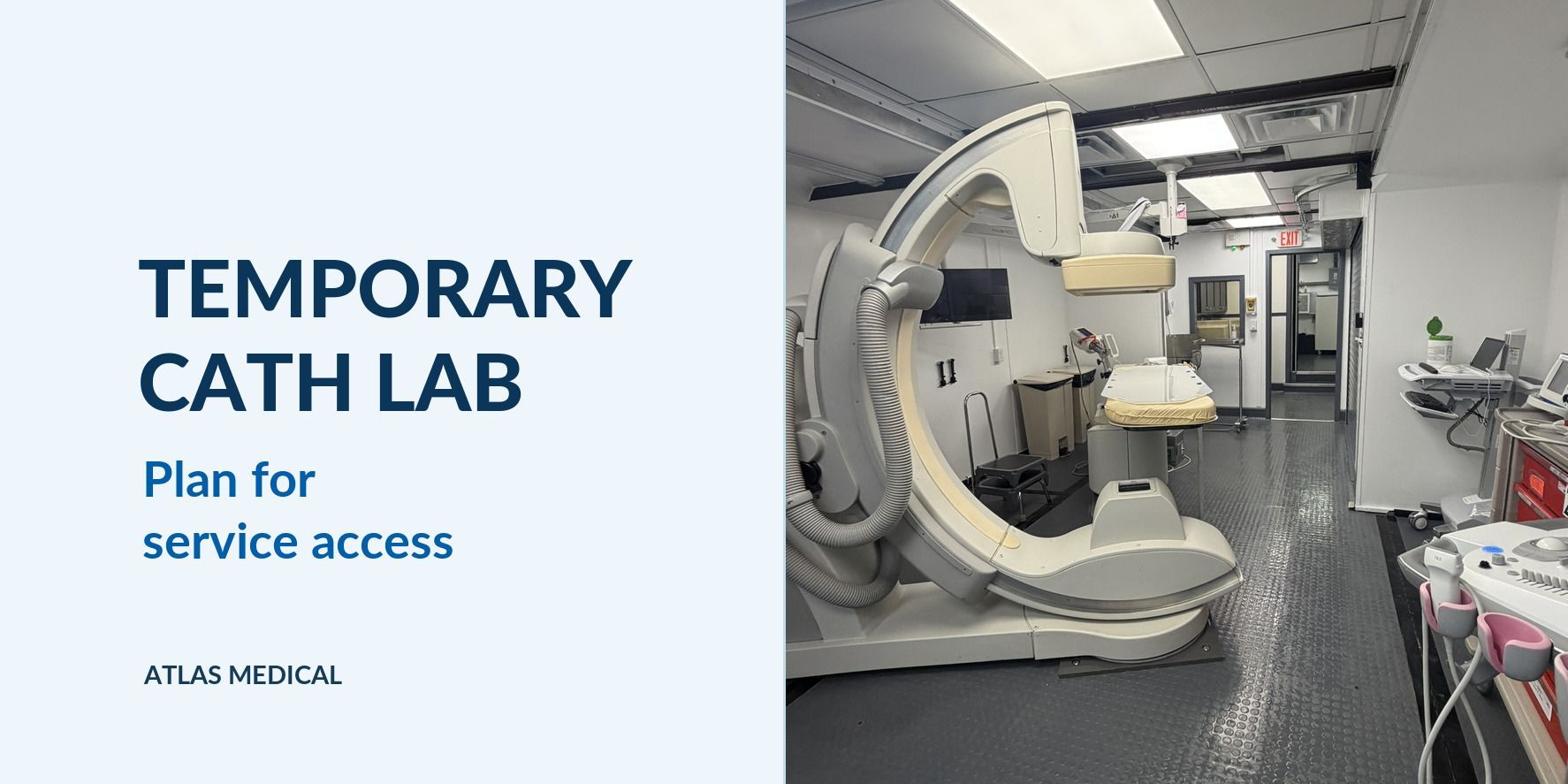

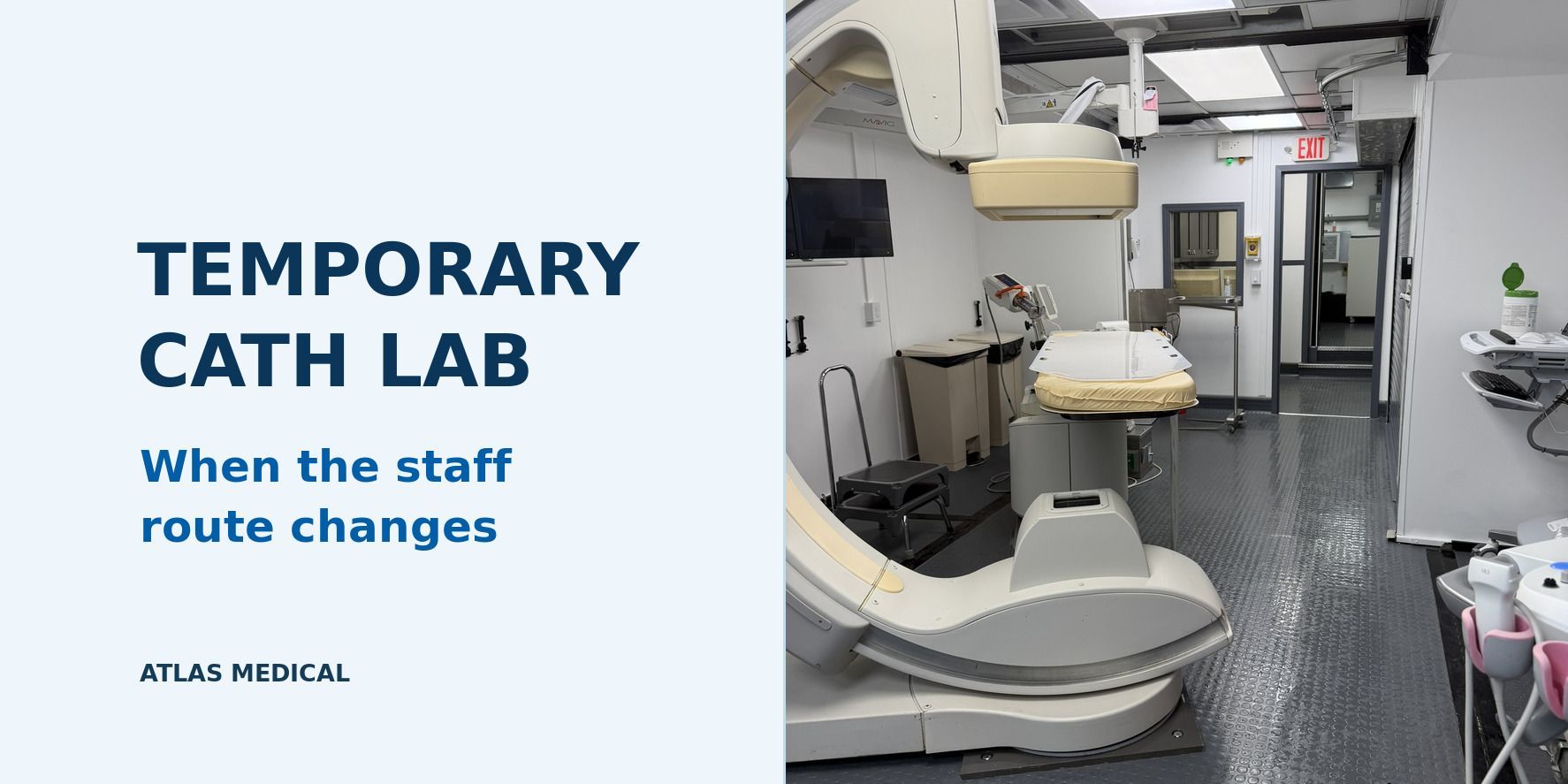
A hospital may start using a temporary cath trailer before the construction crews are finished with the surrounding site. The first week, staff reach the unit by a familiar corridor. Then the barrier moves and the approach changes. Staff who worked yesterday may know the new route, but a relief technologist coming in tomorrow may still follow the original map.
Treat the route change as a small cutover with a clear start time. The objective is to make sure the next person can find the intended staff entrance without having been part of the project meetings.
Give the entrance a name staff can use on the ground
Choose a plain name for the actual staff entrance. Use the same wording on the approved site map, on temporary directions and in the department’s shift message. “Temporary cath lab staff entry via the east connector,” for example, gives a person something to look for. “Use the other door” only works for people who already know which door used to be open.
On the route map, start from somewhere staff recognize. Mark the first turn where someone following the old route would go wrong, then identify the point where they can tell they have arrived. If staff come from more than one part of the hospital, check each starting point that matters. Have facilities or the hospital’s designated wayfinding lead verify that the written directions and signs match what people will actually see.
Make an old instruction easy to recognize and replace
A short shift message should tell staff four things: what changed, when the new route takes effect, where to find the updated directions and who can help if access doesn’t work. Date the instructions and make the old version easy to retire. An outdated map kept at a charge desk can be more persuasive than a corrected map buried in a project folder.
For example: “Starting Tuesday at 6 a.m., follow signs from the second-floor staff junction to the temporary cath lab staff entry. The corridor shown on last week’s map is closed. Use the route marked ‘Phase 2’ on the department page. For an access issue, contact the designated hospital desk.” Adapt that wording to the real site and use the hospital’s established staff channels. Have the cath lab and facilities teams decide who sends the message and who replaces the signs or documents it refers to.
Test the route with someone who did not help plan it
Ask a person who hasn’t used the new approach to walk it using only the proposed directions. Start from the same place they would start on shift. Can they choose the correct corridor when there are two plausible turns? Do they recognize the intended entrance? If the route passes a controlled door, can they tell who to call without guessing or trying alternate entrances?
Consider how the route works at a shift change or outside the hours when the project team is normally on site. The hospital’s facilities and security teams should determine access controls and any alternate approach. This planning walk does not substitute for the hospital’s review of patient routes, emergency access or required exits. If changing the staff route affects any of those, bring the conflict back to the hospital team before the new approach goes into use.
Give the next phase its own handoff
Keep a short record of the active route, effective date and person who can authorize the next change. Tie the review to the construction milestone when a barrier or entrance is expected to move. Then check the map, signs and shift message together at that point. If a delay means the new route opens on a different day, revise all three so staff don’t get two different answers.
If your hospital is considering a temporary cath lab during renovation or equipment replacement, bring the proposed placement and construction phases to the site discussion. Contact Atlas Medical to discuss the temporary setup, then use the assigned layout to plan the staff approach with the people who manage access at your hospital.