How to Start a Mobile Health Clinic Like Our Experts

Our Mobile Clinic Startup Experts Best Advice
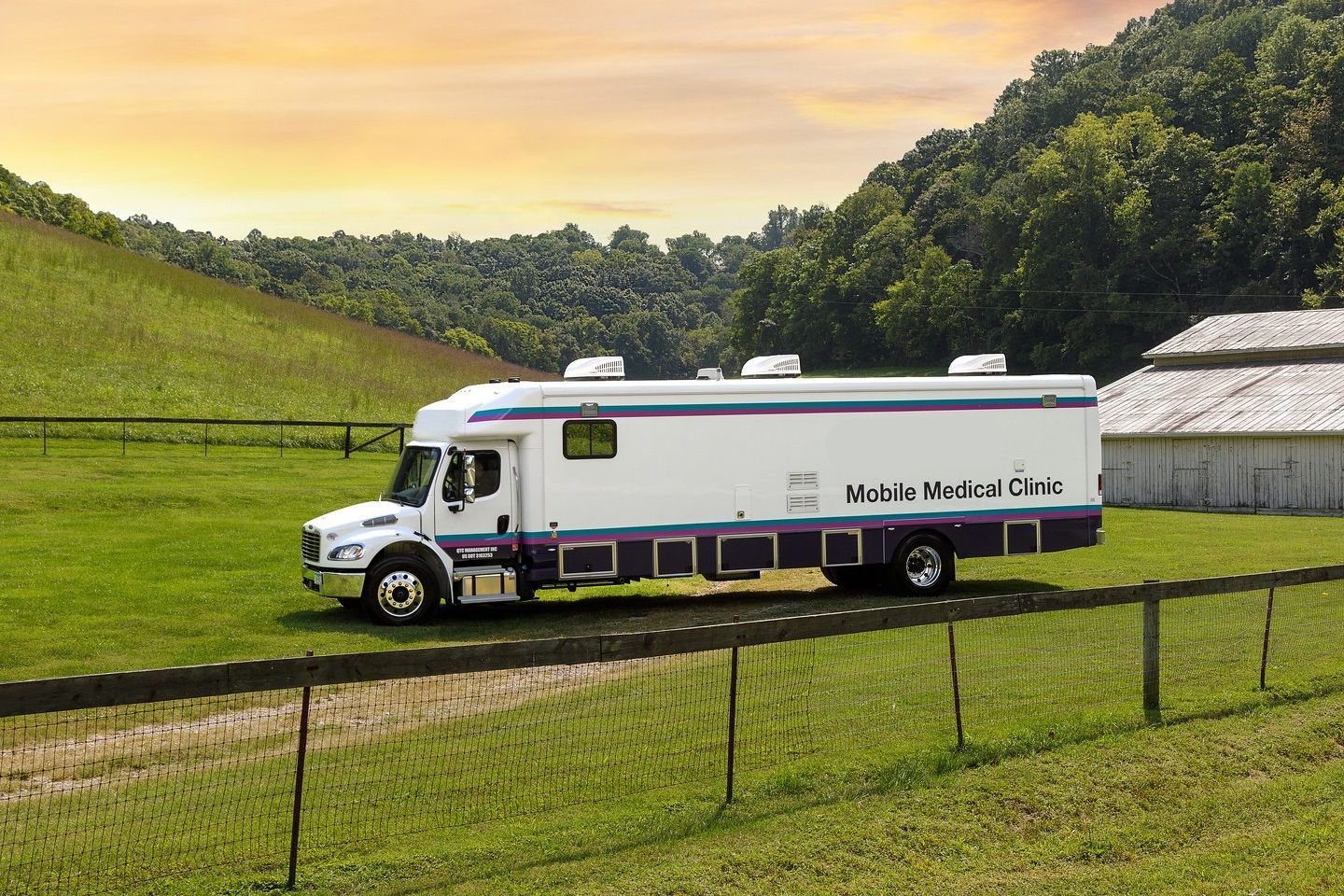
Imagine driving down a winding road, the sun rising behind you, as you bring critical healthcare services to communities that need them most. This isn't just a dream—it's the daily reality for those who operate mobile health clinics. If you've ever wondered how to start a mobile health clinic with the expertise and confidence of industry leaders, you're in the right place.


The Atlas Medical Approach

At Atlas Medical, we've spent years perfecting the art of launching and operating successful mobile health clinics. Here's how you can replicate our expert approach.


Learn more about our Mobile Clinic Partnership Programs here.


1. Start with a Clear Mission

Our Experts Say: A well-defined mission is the cornerstone of success.

Action Step: Craft a mission statement that articulates your goals and the impact you wish to make. This will guide every decision, from services offered to communities served.


2. Conduct In-Depth Community Assessments

Our Experts Emphasize: Understanding the unique needs of each community is non-negotiable.

Action Step: Engage directly with community members, local health departments, and organizations to gather data and insights. Tailor your services to address specific health challenges identified.


3. Develop a Robust Business Plan

Our Experts Advise: A solid business plan turns ideas into actionable strategies.

Action Step: Include detailed financial projections, operational plans, marketing strategies, and sustainability models. This not only guides your operations but also attracts investors and partners.


4. Navigate Legalities with Precision

Our Experts Stress: Compliance protects your clinic and builds trust with patients.

Action Step: Work with legal professionals to secure all necessary licenses and ensure adherence to healthcare regulations, including patient privacy laws and safety standards.


Learn more about our Mobile Clinic Partnership Programs here.


5. Invest in the Right Mobile Unit

Our Experts Recommend: Your vehicle is more than transportation—it's your clinic.

Action Step: Choose a vehicle designed for medical use, considering factors like size, layout, and equipment needs. Ensure it meets all regulatory requirements and is accessible to all patients.


6. Assemble a Dedicated Team

Our Experts Believe: Your staff are ambassadors of your mission.

Action Step: Hire qualified healthcare professionals and support staff who are passionate about community health. Provide ongoing training and foster a collaborative culture.


7. Implement Advanced Technology

Our Experts Utilize: Cutting-edge technology enhances patient care and operational efficiency.

Action Step: Integrate electronic health records, telemedicine capabilities, and reliable communication systems. Ensure data security and compliance with all digital health regulations.


8. Master Logistics and Operations

Our Experts Optimize: Efficiency in scheduling and routing maximizes impact.

Action Step: Use advanced software for route planning and patient scheduling. Maintain strict protocols for inventory management and equipment maintenance.


Learn more about our Mobile Clinic Partnership Programs here.


9. Engage and Educate the Community

Our Experts Connect: Building relationships is key to long-term success.

Action Step: Host community events, offer educational workshops, and collaborate with local organizations. Effective engagement fosters trust and encourages community participation.


10. Measure Impact and Adapt

Our Experts Evolve: Continuous improvement ensures relevance and effectiveness.

Action Step: Regularly assess performance metrics, gather patient feedback, and stay informed about emerging health trends. Be prepared to adapt services to meet changing needs.


Learn from the Best with Atlas Medical

Starting a mobile health clinic is a complex endeavor, but with the right guidance, it becomes an achievable mission. At Atlas Medical, we've transformed countless visions into operational clinics that make a real difference.


Learn more about our Mobile Clinic Partnership Programs here.


Why Choose Atlas Medical?

  • Proven Expertise: Leverage our years of experience in mobile healthcare solutions.
  • Customized Support: Receive tailored advice and resources specific to your goals.
  • Comprehensive Services: From vehicle selection to staff training, we cover every aspect of launching your clinic.


Take the First Step Today

There's no better time to embark on this journey. The communities you aim to serve are waiting, and we have the tools and expertise to help you succeed.


Contact us to schedule a consultation:

  • Phone: 888.809.7767
  • Email: support@atlas-medllc.com


Together, let's drive change—one mile at a time.


Related Articles from Atlas Medical:

How to Start a Mobile Clinic: Bringing Healthcare to Every Doorstep

10 Mistakes to Avoid When Starting a Mobile Health Clinic

How to Start a Mobile Health Clinic Like Our Experts

The Ultimate Checklist for Launching a Successful Mobile Clinic

From Vision to Reality: A Step-by-Step Guide to Starting Your Mobile Health Clinic

5 Inspiring Success Stories of Mobile Clinics—and How You Can Start Yours


© 2023 Atlas Medical. All rights reserved.

Close-up portrait of a man with short gray hair and a neutral expression against a blurred background

Sean Schneider

Mobile Project Manager · Atlas Medical


About the Author

Say hello to Sean Schneider - our Mobile Project Manager at Atlas Medical. Sean has worked in the medical imaging industry for over 20 years, including 10 years with Atlas Medical. 


Sean has a knack for making complicated projects simple to understand. Around here, Sean's the man who keeps things moving smoothly.


When Sean isn't helping launch our mobile imaging units at new sites he enjoys spending time with his family, golf, and hockey.

Request a Mobile Imaging Solution

Our Services Include:
Medical lab category buttons

Mobile CT scanner installation at a hospital showing delivery, utility setup, and preparation for cl
By Jared Labtic September 13, 2026
By the time a mobile CT scanner arrives at a hospital, much of the planning should already be complete. The site has been selected. Facilities has reviewed the proposed location. Power and connectivity requirements have been discussed. The hospital knows when temporary CT capacity needs to become available. But delivery is not the same as go-live. A mobile CT scanner installation still involves positioning the unit, connecting infrastructure, integrating the scanner with hospital systems, verifying equipment readiness, preparing technologists, and completing the hospital's own pre-clinical requirements. Understanding that sequence helps project teams avoid treating the arrival date as the same thing as the clinical start date. Hospitals evaluating temporary CT capacity can review Atlas Medical's mobile CT scanner solutions before building their deployment schedule. Atlas currently offers mobile CT systems from major OEMs and includes applications training and integration support as part of its turnkey approach.
Mobile cath lab unit showing the type of equipment and facility setup hospitals should consider when
By Jared Labtic September 13, 2026
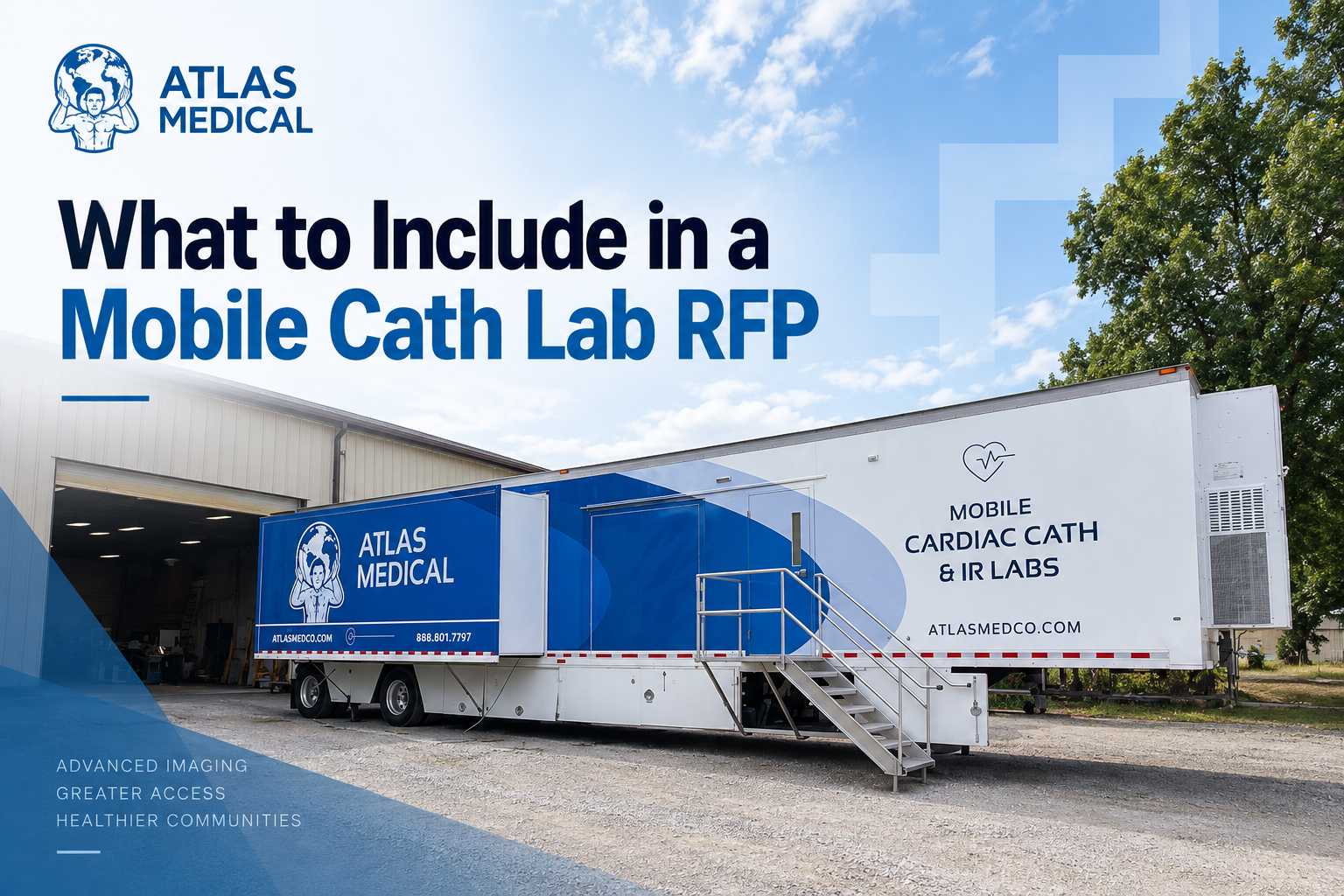
A hospital preparing to rent a mobile cath lab needs more than a price and an available trailer.  The hospital needs to know whether the temporary lab can support its procedures, fit the site, integrate with existing systems, arrive on schedule, support staff workflow, and remain available for the full project period. A well-written mobile cath lab RFP helps procurement teams compare vendors against the same requirements instead of evaluating proposals that describe completely different solutions. The RFP should therefore be developed with input from more than procurement alone. Cath lab leadership, facilities, IT, clinical engineering, project management, infection prevention, finance, and other appropriate hospital stakeholders may all have requirements that affect the temporary lab. Hospitals still defining the type of temporary solution they need can review Atlas Medical's mobile cath lab rental solutions before developing the RFP.
By Jared Labtic September 9, 2026
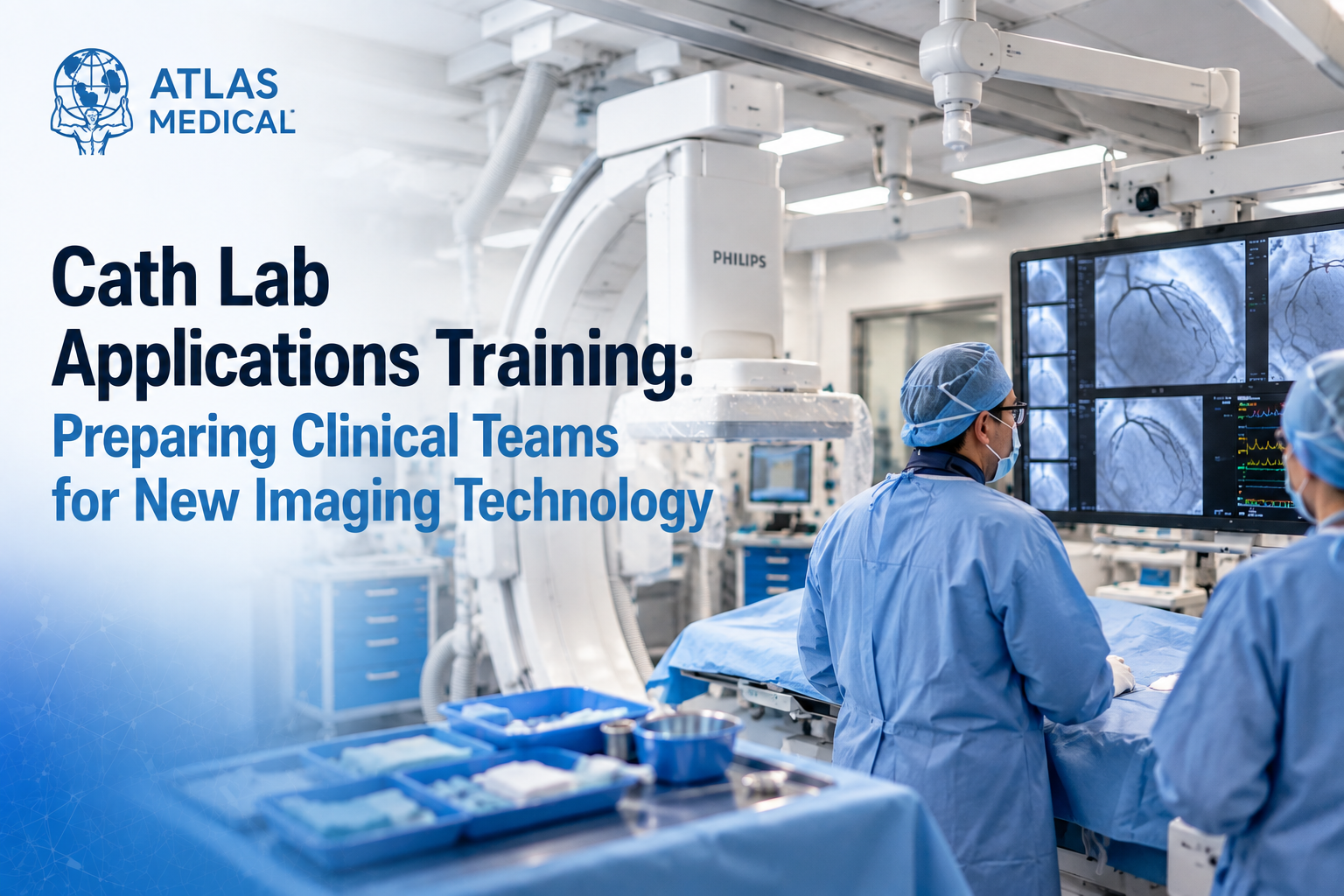
Installing or gaining access to a cath lab imaging system is only part of getting the room ready for clinical use.  The people operating the technology also need to understand how that particular system fits into their daily workflow. A clinical team may already have years of cath lab experience and still need time to become comfortable with a different interface, room controls, imaging modes, table and C-arm movements, image review tools, and system-specific workflows. That is where cath lab applications training becomes valuable. Rather than teaching cath lab fundamentals, applications training focuses on helping experienced clinical teams understand and effectively use the imaging technology available to them. Hospitals that need project-based support can explore Atlas Medical's imaging applications training and temporary technologist staffing .
By Jared Labtic September 8, 2026
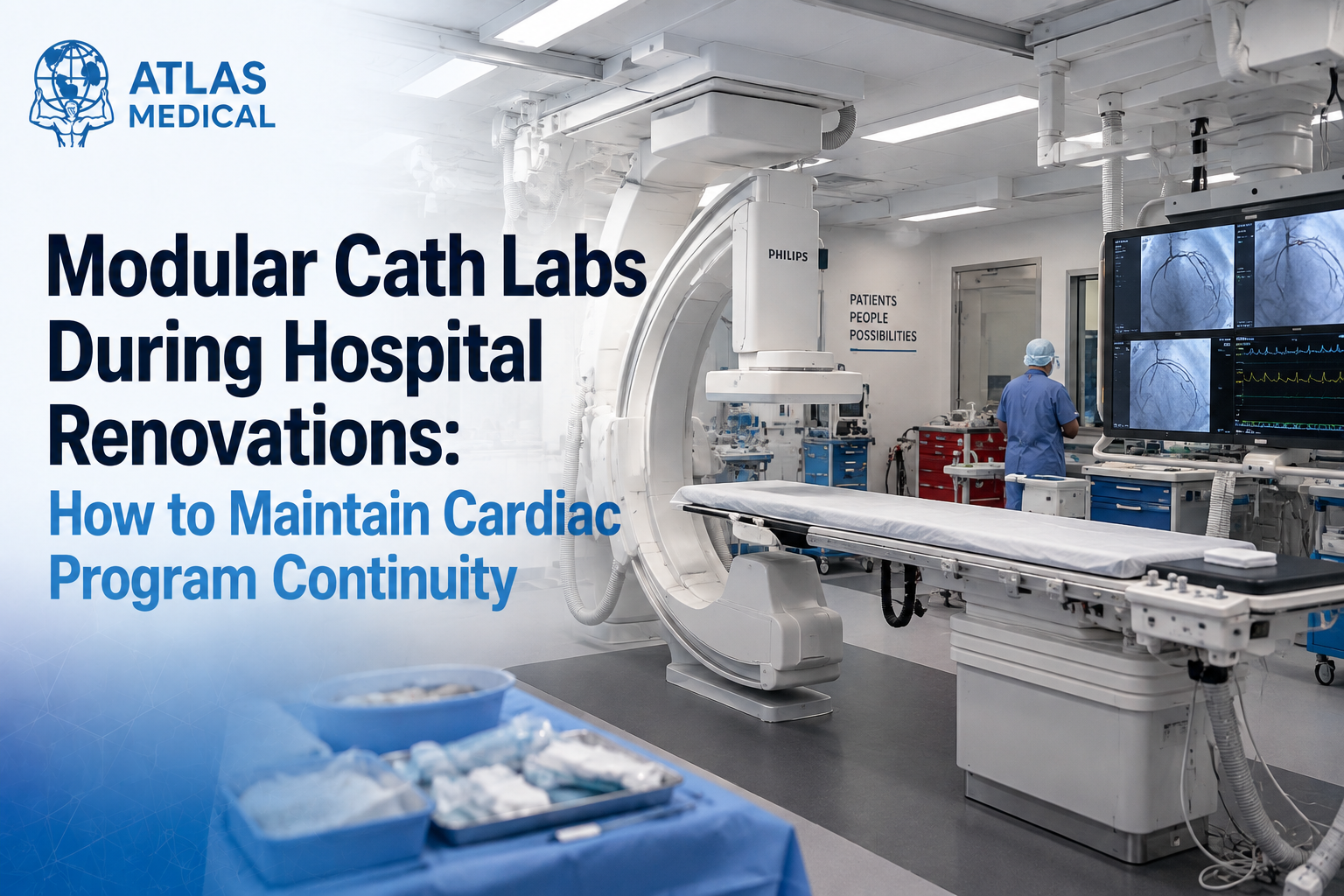
A cath lab renovation creates an unusual planning challenge for hospitals: the project is designed to improve cardiac services, but completing it may temporarily take critical procedural space out of operation. The construction schedule is only part of the problem.  Hospital leaders also have to decide what happens to procedures, physicians, staff, patients, and workflows while the permanent lab is unavailable. A modular cath lab for hospital renovation can provide temporary procedural capacity on-site while work progresses inside the permanent facility. Atlas Medical specifically positions its modular cath lab rentals for renovations, temporary capacity, and projects where hospitals need to keep cases running. The key is to treat the modular lab as part of the renovation strategy—not as equipment that gets added after the construction plan is already finished.
By Jared Labtic September 1, 2026
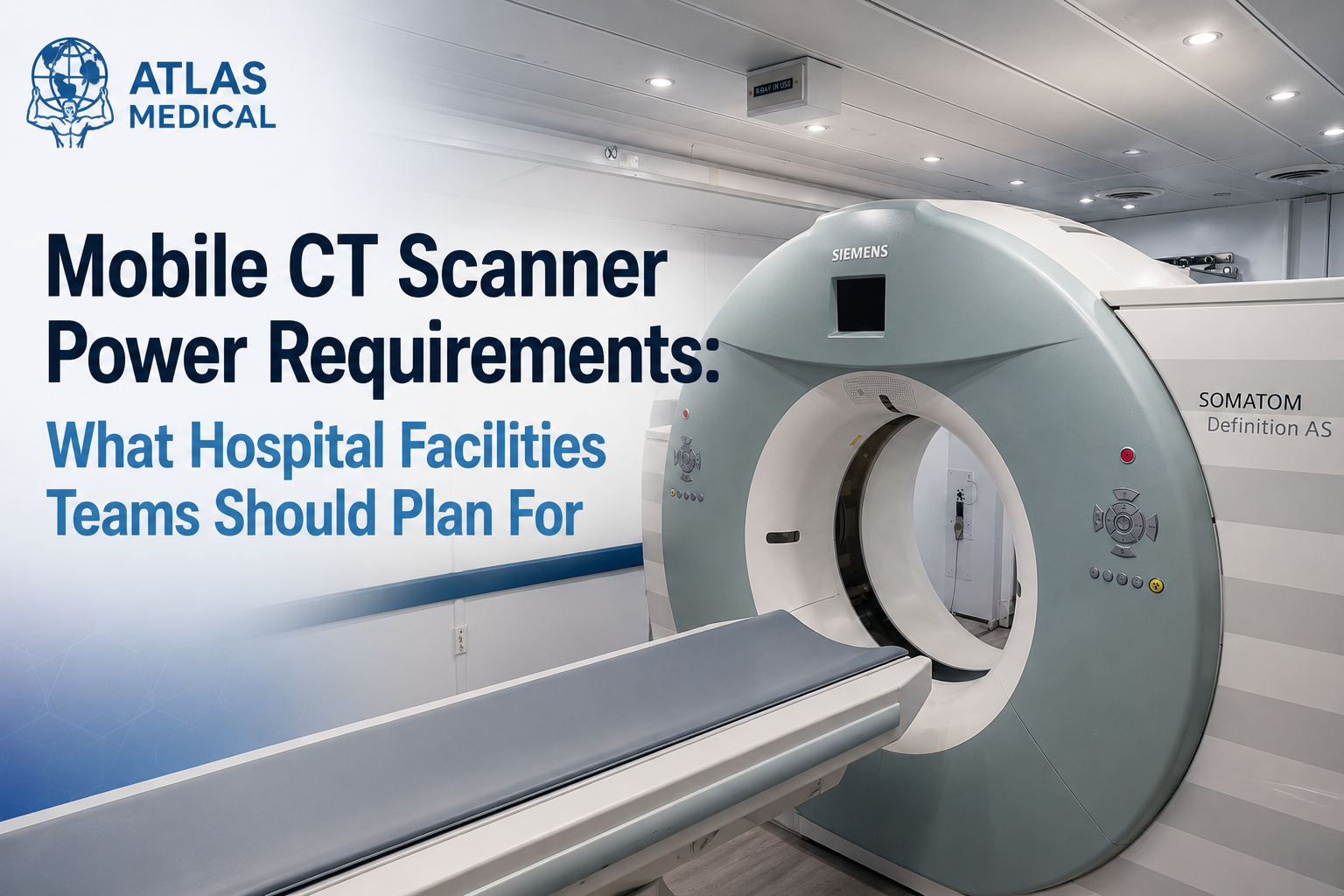
A mobile CT scanner may arrive on a trailer, but it still needs the electrical infrastructure required to operate advanced diagnostic imaging equipment. For hospital facilities and engineering teams, that makes power one of the first technical questions to resolve before delivery. Atlas Medical notes that a typical mobile CT unit requires 480V, 3-phase power . However, hospitals should not treat that figure as a universal specification for every trailer or scanner. The electrical requirements should always be confirmed for the specific mobile CT unit assigned to the project. Getting that information early gives facilities teams time to evaluate the site's existing electrical capacity, determine whether electrical work is necessary, coordinate responsibilities, and have the connection ready before the mobile unit arrives.
By Jared Labtic August 30, 2026
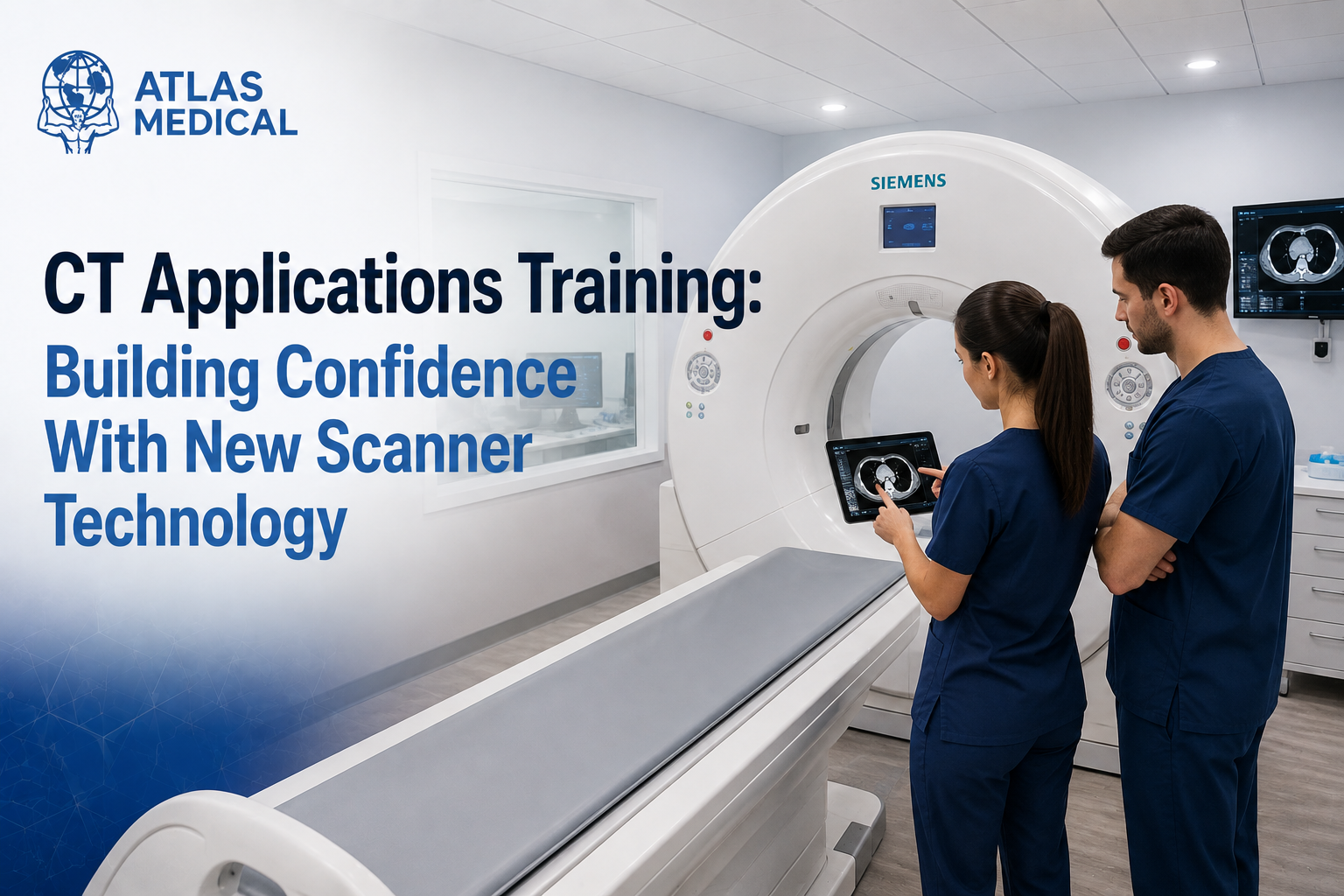
An experienced CT technologist already understands patient care, positioning, scan preparation, and the clinical demands of a busy imaging department. What changes when the scanner changes is the technology used to perform that work. A new interface, different protocol structure, unfamiliar reconstruction tools, or a change in manufacturer can create a learning curve even for an experienced team. CT applications training gives technologists hands-on, system-specific support so they can understand how the scanner fits into their department's clinical workflow. Hospitals may need this support when installing a scanner, replacing older equipment, changing OEM platforms, introducing advanced applications, opening a temporary imaging location, or onboarding additional staff. Atlas Medical provides imaging applications training and temporary technologist staffing for hospitals and imaging providers with project-based clinical support needs.