The Ultimate Checklist for Launching a Successful Mobile Clinic
Launch Your New Mobile Clinic Startup Like a Pro
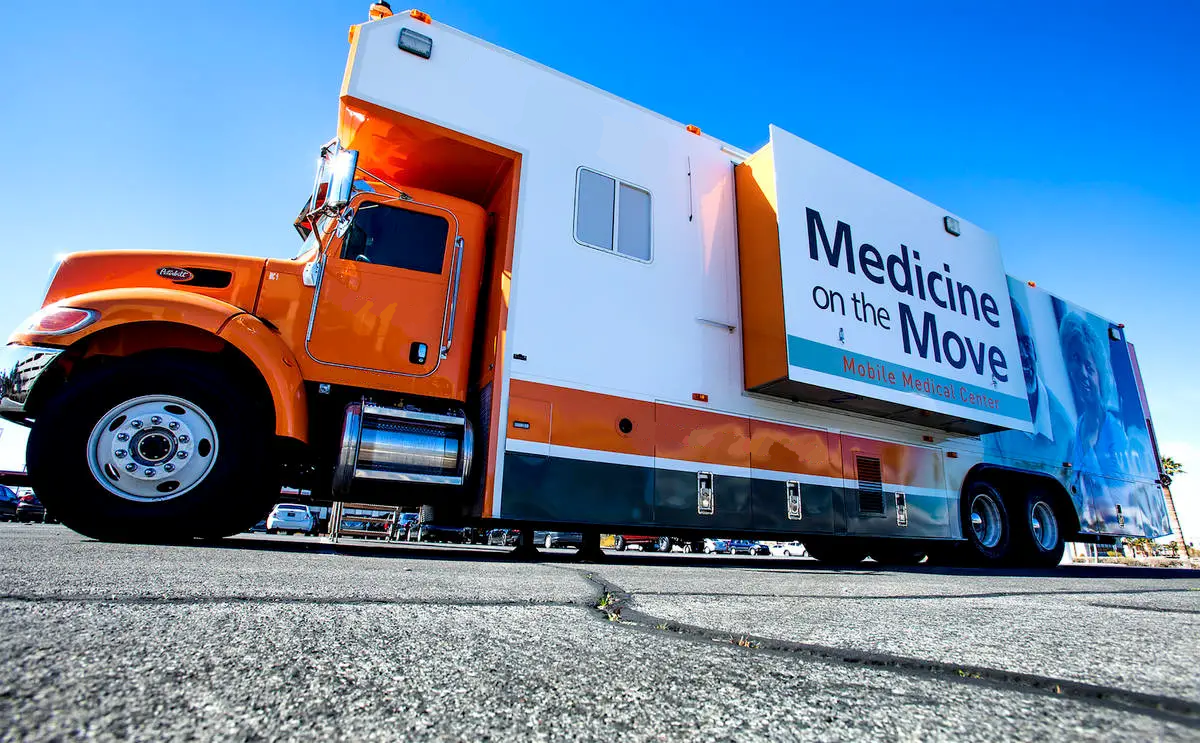
Embarking on the journey to start a mobile clinic is both exhilarating and challenging. It's a venture that holds the promise of transforming lives by bringing healthcare directly to those who need it most. But where do you begin? How do you ensure that your mobile clinic is not just operational but successful?
At Atlas Medical, we've distilled the process into a comprehensive checklist that covers every critical step. This ultimate checklist is your roadmap to launching a mobile clinic that makes a lasting impact.
Learn more about our Mobile Clinic Partnership Programs here.
1. Define Your Mission and Objectives
- Clarify Your Purpose: What drives you to start a mobile clinic? Is it to serve rural communities, address a specific health issue, or provide specialized services?
- Set Measurable Goals: Establish clear, achievable objectives to guide your progress and measure success.
2. Conduct a Thorough Needs Assessment
- Community Engagement: Interact with your target population to understand their health needs and challenges.
- Data Collection: Gather statistics on prevalent health conditions, accessibility issues, and existing healthcare services.
3. Develop a Solid Business Plan
- Executive Summary: Outline your mission, services, and the value your clinic will provide.
- Financial Projections: Include detailed budgets, funding sources, and revenue streams.
- Operational Strategy: Describe how your clinic will function daily, including staffing and logistics.
Learn more about our Mobile Clinic Partnership Programs here.
4. Secure Funding
- Explore Grants: Research federal, state, and private grant opportunities.
- Seek Donations and Sponsorships: Engage with businesses, nonprofits, and community members.
- Consider Loans: Evaluate low-interest loan options specifically for healthcare ventures.
5. Navigate Legal Requirements
- Licensing and Permits: Obtain all necessary medical licenses and vehicle permits.
- Regulatory Compliance: Ensure adherence to HIPAA, OSHA, and other healthcare regulations.
- Insurance Coverage: Secure comprehensive insurance for liability, malpractice, and vehicle operation.
Learn more about our Mobile Clinic Partnership Programs here.
6. Choose the Right Mobile Unit
- Select a Suitable Vehicle: Decide between vans, trucks, or trailers based on your service needs.
- Customize the Interior: Design patient areas, staff workspaces, and storage efficiently.
- Ensure Accessibility: Incorporate features like ramps and wide doorways to accommodate all patients.
7. Equip Your Clinic with Essential Technology
- Medical Equipment: Procure diagnostic tools, treatment supplies, and specialized instruments.
- Electronic Health Records (EHR): Implement a secure system for patient data management.
- Connectivity Solutions: Ensure reliable internet access for telemedicine and digital communication.
8. Hire and Train Your Team
- Recruit Qualified Staff: Hire healthcare professionals passionate about community service.
- Provide Comprehensive Training: Cover clinical protocols, mobile operations, and cultural sensitivity.
- Foster Team Culture: Encourage collaboration and ongoing professional development.
9. Plan Your Operations and Logistics
- Route Scheduling: Use software to optimize travel routes and clinic stops.
- Inventory Management: Implement systems to track and replenish supplies.
- Maintenance Protocols: Schedule regular checks for both the vehicle and medical equipment.
10. Develop a Marketing and Outreach Strategy
- Brand Identity: Create a memorable name, logo, and messaging that resonate with your mission.
- Digital Marketing: Utilize a website and social media to inform and engage your audience.
- Community Partnerships: Collaborate with local organizations and influencers to amplify your reach.
Learn more about our Mobile Clinic Partnership Programs here.
11. Implement Safety and Emergency Procedures
- Emergency Plans: Prepare for medical emergencies, accidents, or unexpected events.
- Infection Control: Adhere to strict sanitation and sterilization protocols.
- Patient Privacy: Ensure all practices comply with privacy laws and regulations.
12. Measure Impact and Adjust Accordingly
- Collect Data: Track patient numbers, services provided, and health outcomes.
- Solicit Feedback: Use patient surveys and community input to improve services.
- Adapt and Evolve: Stay flexible to adjust your services based on changing needs and feedback.
13. Ensure Financial Sustainability
- Diversify Funding: Explore multiple revenue streams, including billing for services where appropriate.
- Cost Management: Regularly review expenses and find efficiencies without compromising care.
- Plan for Growth: Consider scalability options for expanding services or adding more mobile units.
Learn more about our Mobile Clinic Partnership Programs here.
14. Stay Informed and Connected
- Industry Updates: Keep abreast of the latest developments in mobile healthcare.
- Networking: Join professional organizations and attend conferences.
- Continuous Learning: Invest in ongoing education for yourself and your team.
Conclusion
Launching a mobile clinic is a monumental task, but with this ultimate checklist, you're equipped to navigate each step with confidence. Every item checked off brings you closer to making a profound difference in the lives of those you serve.
Partnering with Atlas Medical
Embarking on this journey is monumental, but you don't have to navigate it alone. At Atlas Medical, we specialize in transforming healthcare visions into operational realities.
Why Choose Atlas Medical
- Expertise: We have decades of experience in healthcare solutions and mobile clinic deployment.
- Comprehensive Support: We will guide you in everything from vehicle selection and customization - to reimbursement and financial modeling- to demand testing - to staff training and regulatory compliance - to marketing and demand generation. We become a partner with you and your team for the entirety of your mobile clinic journey.
- Tailored Solutions: We understand that one size doesn't fit all. We customize our services to meet your unique needs and goals.
Learn more about our Mobile Clinic Partnership Programs here.
At Atlas Medical, we're here to support you throughout this journey. From expert advice to customized solutions, our team is dedicated to helping you succeed.
Ready to start your engines? Reach out to us today, and let's drive towards a healthier future together.
Contact Atlas Medical
- Phone: 888.809.7767
- Email: support@atlas-medllc.com
Related Articles from Atlas Medical:
How to Start a Mobile Clinic: Bringing Healthcare to Every Doorstep
10 Mistakes to Avoid When Starting a Mobile Health Clinic
How to Start a Mobile Health Clinic Like Our Experts
The Ultimate Checklist for Launching a Successful Mobile Clinic
From Vision to Reality: A Step-by-Step Guide to Starting Your Mobile Health Clinic
5 Inspiring Success Stories of Mobile Clinics—and How You Can Start Yours
© 2023 Atlas Medical. All rights reserved.

Sean Schneider
Mobile Project Manager · Atlas Medical
About the Author
Say hello to Sean Schneider - our Mobile Project Manager at Atlas Medical. Sean has worked in the medical imaging industry for over 20 years, including 10 years with Atlas Medical.
Sean has a knack for making complicated projects simple to understand. Around here, Sean's the man who keeps things moving smoothly.
When Sean isn't helping launch our mobile imaging units at new sites he enjoys spending time with his family, golf, and hockey.
Request a Mobile Imaging Solution
Our Services Include: