10 Mistakes to Avoid When Starting a Mobile Health Clinic
Our Experts Weigh In On The Most Common Mobile Health Clinic Startup Mistakes
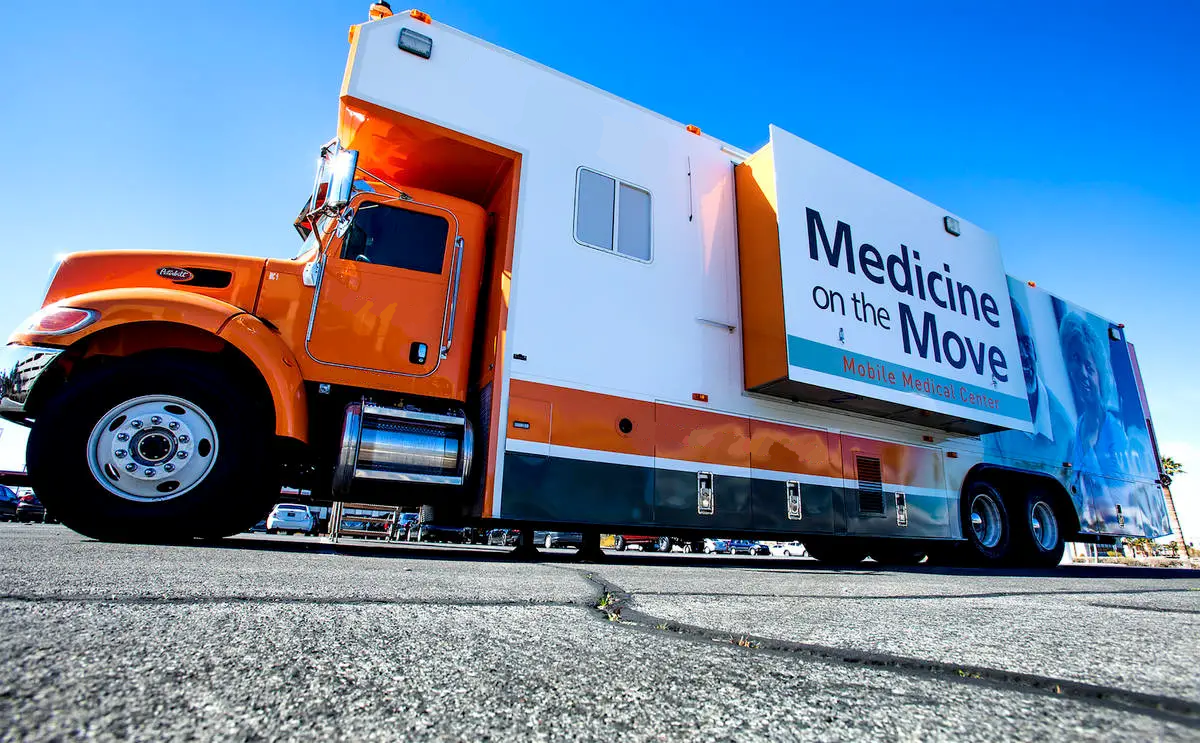
Launching a mobile health clinic is a noble endeavor—one that brings essential medical services directly to those who need them most. However, the road to operational success is paved with potential pitfalls. To help you navigate this journey, we've identified ten common mistakes to avoid when starting your mobile health clinic.
Learn more about our Mobile Clinic Partnership Programs here.
1. Neglecting a Comprehensive Needs Assessment
The Mistake: Skipping thorough research on the communities you intend to serve.
Why It Matters: Without understanding the specific health needs and challenges of your target population, your clinic may fail to provide relevant services.
Avoid It By: Conducting detailed community surveys, engaging with local leaders, and analyzing health data to tailor your services effectively.
2. Inadequate Financial Planning
The Mistake: Underestimating start-up costs and ongoing expenses.
Why It Matters: Financial shortfalls can halt operations, leaving communities without critical care and wasting your initial investments.
Avoid It By: Creating a detailed budget that includes vehicle costs, equipment, staffing, insurance, and a contingency fund for unexpected expenses.
3. Overlooking Legal and Regulatory Requirements
The Mistake: Failing to secure necessary licenses, permits, and compliance with healthcare regulations.
Why It Matters: Non-compliance can result in hefty fines, legal action, or closure of your clinic.
Avoid It By: Consulting with legal experts to ensure adherence to all federal, state, and local regulations, including HIPAA and OSHA standards.
4. Choosing the Wrong Vehicle
The Mistake: Selecting a vehicle that doesn't meet your clinic's needs or regulatory standards.
Why It Matters: An ill-suited vehicle can limit the services you offer and affect patient comfort and accessibility.
Avoid It By: Investing in a vehicle specifically designed or customized for medical use, considering factors like size, layout, and ADA compliance.
5. Insufficient Staffing and Training
The Mistake: Understaffing or hiring personnel without proper training for mobile clinic operations.
Why It Matters: Quality of care suffers when staff are overextended or unfamiliar with the unique challenges of mobile healthcare.
Avoid It By: Hiring qualified professionals and providing comprehensive training on mobile clinic protocols, equipment use, and patient interaction.
6. Ignoring Technology Integration
The Mistake: Failing to implement electronic health records (EHR) and other essential technologies.
Why It Matters: Inefficient record-keeping can lead to medical errors, compromised patient privacy, and reduced operational efficiency.
Avoid It By: Adopting reliable EHR systems and ensuring secure internet connectivity for seamless data management and telemedicine capabilities.
7. Poor Route Planning and Scheduling
The Mistake: Not optimizing routes or schedules, leading to missed opportunities and wasted resources.
Why It Matters: Inefficient operations increase costs and reduce the number of patients you can serve.
Avoid It By: Utilizing route optimization software and establishing consistent schedules that communities can rely on.
8. Lack of Community Engagement
The Mistake: Failing to build relationships with local organizations and residents.
Why It Matters: Community support is crucial for trust, word-of-mouth promotion, and understanding local health needs.
Avoid It By: Engaging with community leaders, attending local events, and incorporating feedback to improve services.
9. Inadequate Marketing Efforts
The Mistake: Assuming that patients will find you without proactive outreach.
Why It Matters: Without awareness, even the most well-equipped clinic will struggle to attract patients.
Avoid It By: Developing a marketing strategy that includes social media, local advertising, and partnerships with other healthcare providers.
10. Neglecting Sustainability Planning
The Mistake: Focusing solely on launch without a long-term plan for sustainability and growth.
Why It Matters: Without a vision for the future, your clinic may not withstand financial or operational challenges.
Avoid It By: Diversifying funding sources, regularly evaluating performance metrics, and staying adaptable to changing healthcare landscapes.
Learn more about our Mobile Clinic Partnership Programs here.
Take Aways
Embarking on the journey to start a mobile health clinic is both challenging and rewarding. By avoiding these common mistakes, you position your clinic for success, ensuring that you can make a lasting impact on the communities you serve.
Partnering with Atlas Medical
Embarking on this journey is monumental, but you don't have to navigate it alone. At Atlas Medical, we specialize in transforming healthcare visions into operational realities.
Why Choose Atlas Medical
- Expertise: We have decades of experience in healthcare solutions and mobile clinic deployment.
- Comprehensive Support: We will guide you in everything from vehicle selection and customization - to reimbursement and financial modeling- to demand testing - to staff training and regulatory compliance - to marketing and demand generation. We become a partner with you and your team for the entirety of your mobile clinic journey.
- Tailored Solutions: We understand that one size doesn't fit all. We customize our services to meet your unique needs and goals.
Learn more about our Mobile Clinic Partnership Programs here.
Take the First Step
Every mile your mobile clinic travels is a testament to your commitment to better healthcare. Let us help you make those miles count.
Reach out to us today to explore how Atlas Medical can support you in launching a mobile clinic that changes lives.
Contact Atlas Medical
- Phone: 888.809.7767
- Email: support@atlas-medllc.com
Let's help make healthcare accessible to all. Together, we can drive change, one community at a time.
Related Articles from Atlas Medical:
How to Start a Mobile Clinic: Bringing Healthcare to Every Doorstep
10 Mistakes to Avoid When Starting a Mobile Health Clinic
How to Start a Mobile Health Clinic Like Our Experts
The Ultimate Checklist for Launching a Successful Mobile Clinic
From Vision to Reality: A Step-by-Step Guide to Starting Your Mobile Health Clinic
5 Inspiring Success Stories of Mobile Clinics—and How You Can Start Yours
© 2023 Atlas Medical. All rights reserved.

Sean Schneider
Mobile Project Manager · Atlas Medical
About the Author
Say hello to Sean Schneider - our Mobile Project Manager at Atlas Medical. Sean has worked in the medical imaging industry for over 20 years, including 10 years with Atlas Medical.
Sean has a knack for making complicated projects simple to understand. Around here, Sean's the man who keeps things moving smoothly.
When Sean isn't helping launch our mobile imaging units at new sites he enjoys spending time with his family, golf, and hockey.
Request a Mobile Imaging Solution
Our Services Include: