
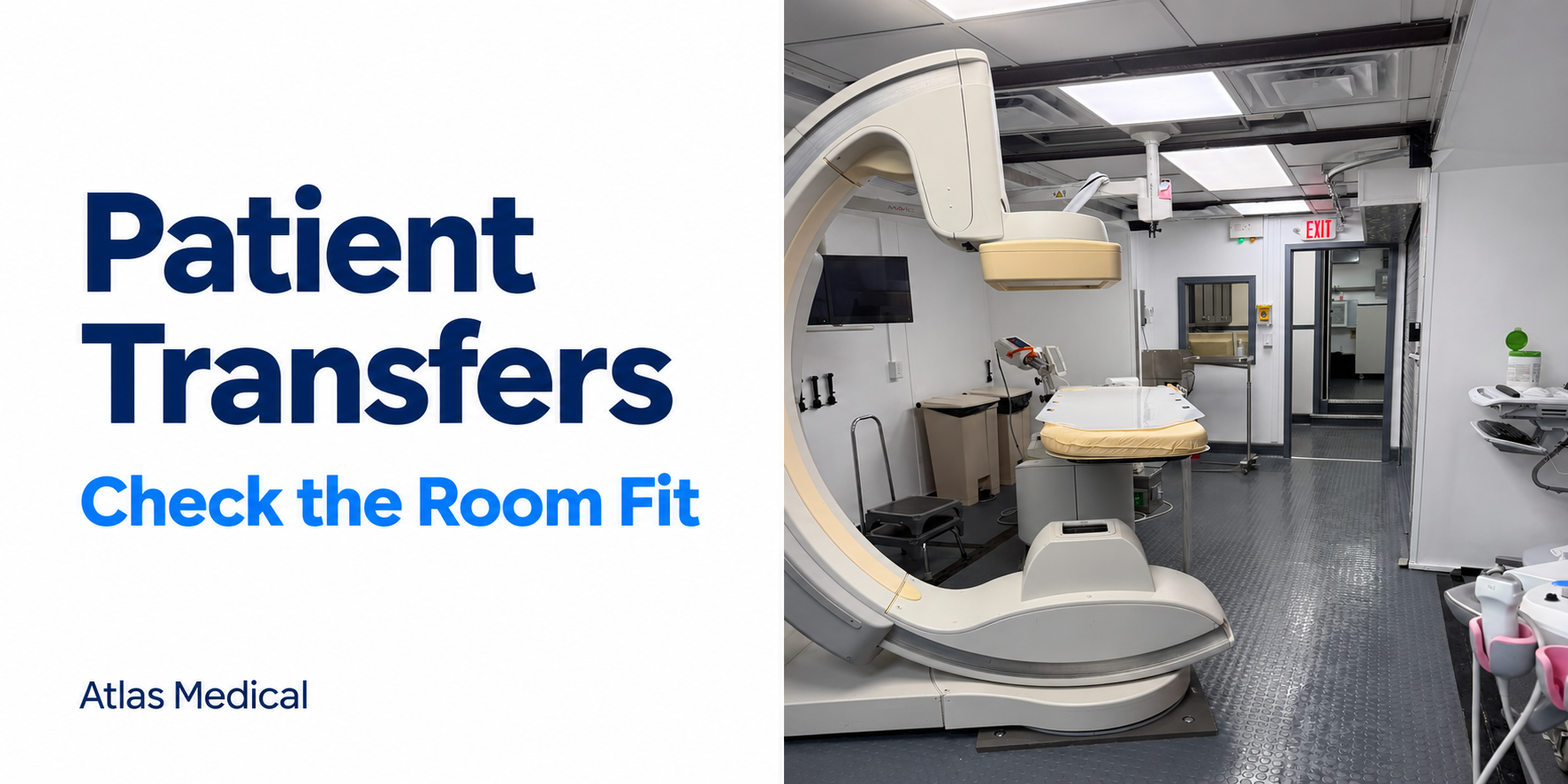
A hospital preparing for cath lab replacement may already know which stretcher will bring patients to the temporary lab. The next question is more specific: will the hospital's planned patient-transfer equipment work with the assigned procedure table and the room around it?
A device that reaches the room still needs an appropriate working position. The stretcher, procedure table, transfer aid and staff all become part of the same arrangement. Reviewing that arrangement before the move gives the hospital a chance to resolve equipment and layout questions while changes can still be planned.
This is a project-planning discussion. The hospital's clinical and safe-patient-handling teams determine patient-specific methods, equipment and staffing under their policies and applicable manufacturer instructions.
Start with the transfer tasks the hospital expects
Ask the cath team and safe-patient-handling lead to describe the transfer tasks the temporary service must support. Avoid starting with a single piece of equipment and assuming it covers every situation.
OSHA's facility and patient needs assessment guidance connects equipment planning with the needs of the facility and the individual patient. For a temporary cath project, that means the planning team needs a defined clinical scope before it can evaluate the room arrangement.
Which transport surfaces will arrive? Which transfer aids does the hospital's program require for the expected tasks? Are there situations that need a different arrangement or additional review? Keep patient information out of general project correspondence; the clinical team can communicate equipment and space requirements without circulating individual records.
The useful output is a description of the tasks and required equipment combinations, with unresolved decisions clearly identified.
Identify the exact equipment combination
Bring the assigned procedure-table information together with the hospital's actual stretcher and transfer-device information. A familiar product family or a photograph is not enough to establish compatibility.
Ask the responsible clinical engineering and manufacturer representatives to review the relevant instructions and specifications. Questions may include the permitted interfaces, applicable limits, accessory requirements and any restrictions affecting the proposed arrangement. Resolve a missing specification through the responsible equipment source rather than estimating it from a picture.
If the permanent cath room uses equipment that will be moved, identify when it can be released. If a shared hospital device is proposed, establish how the temporary service will obtain it when needed. These are different project dependencies, even when the clinical team prefers the same device in both locations.
Review working space at the table
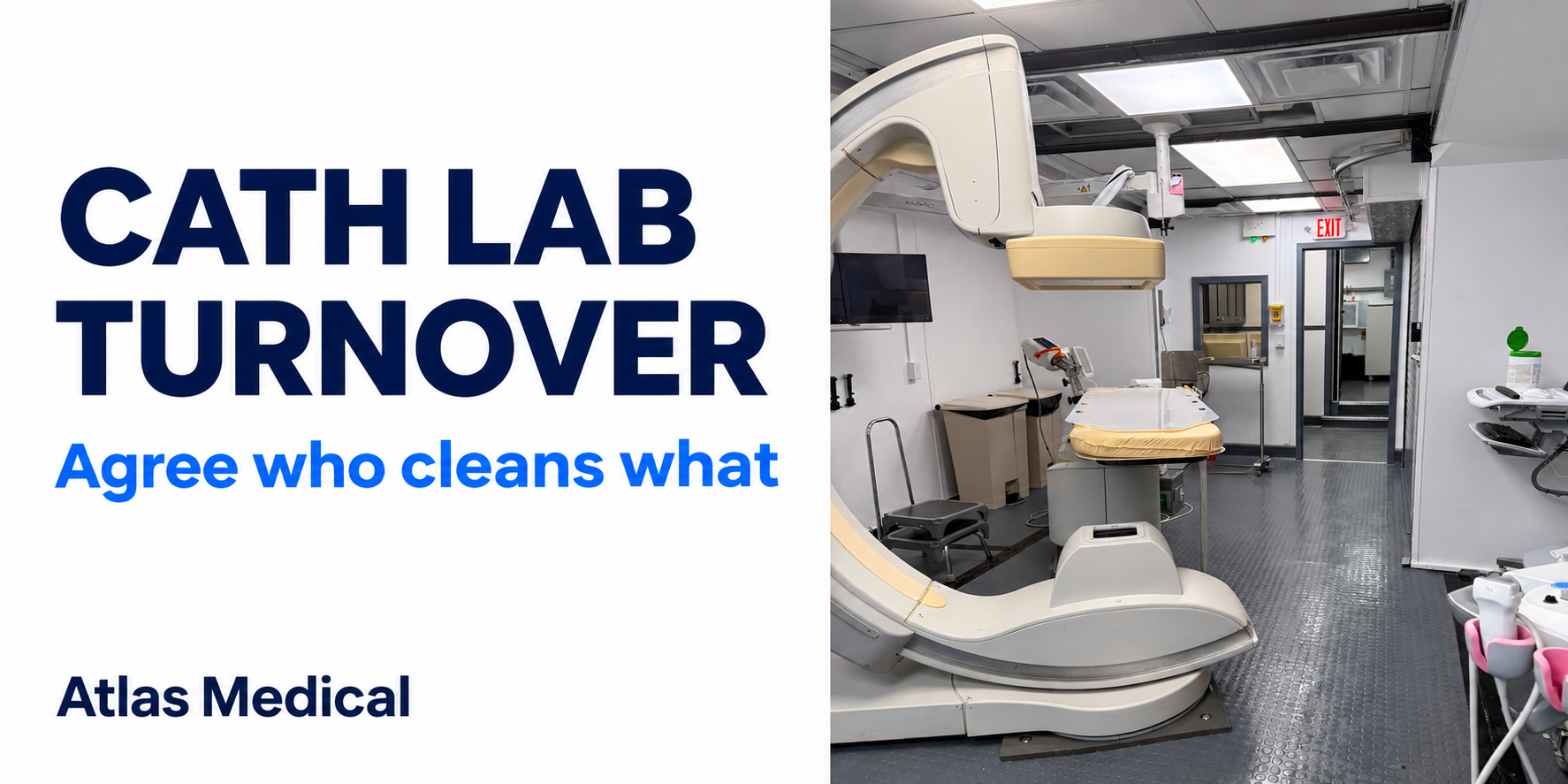
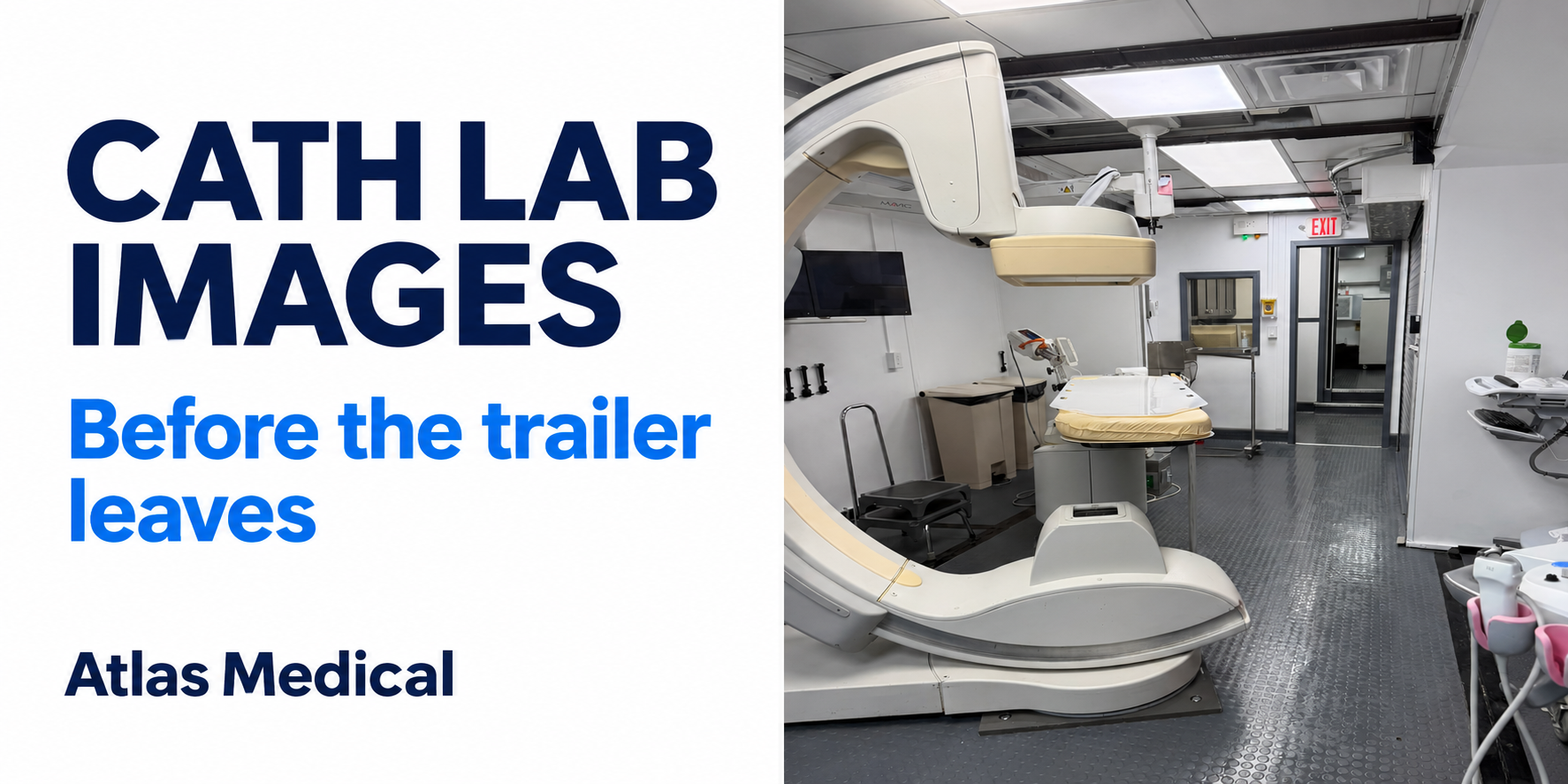
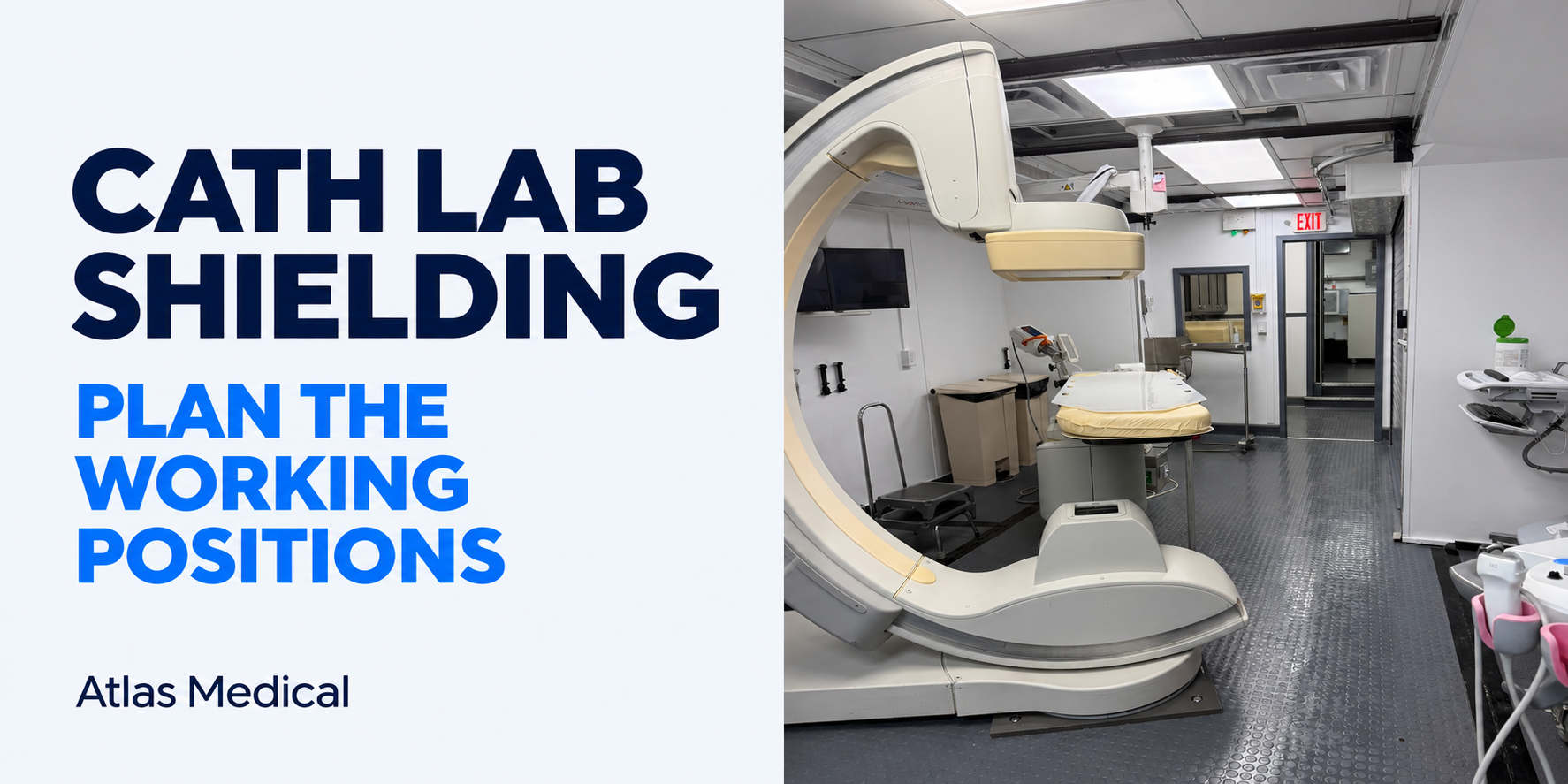
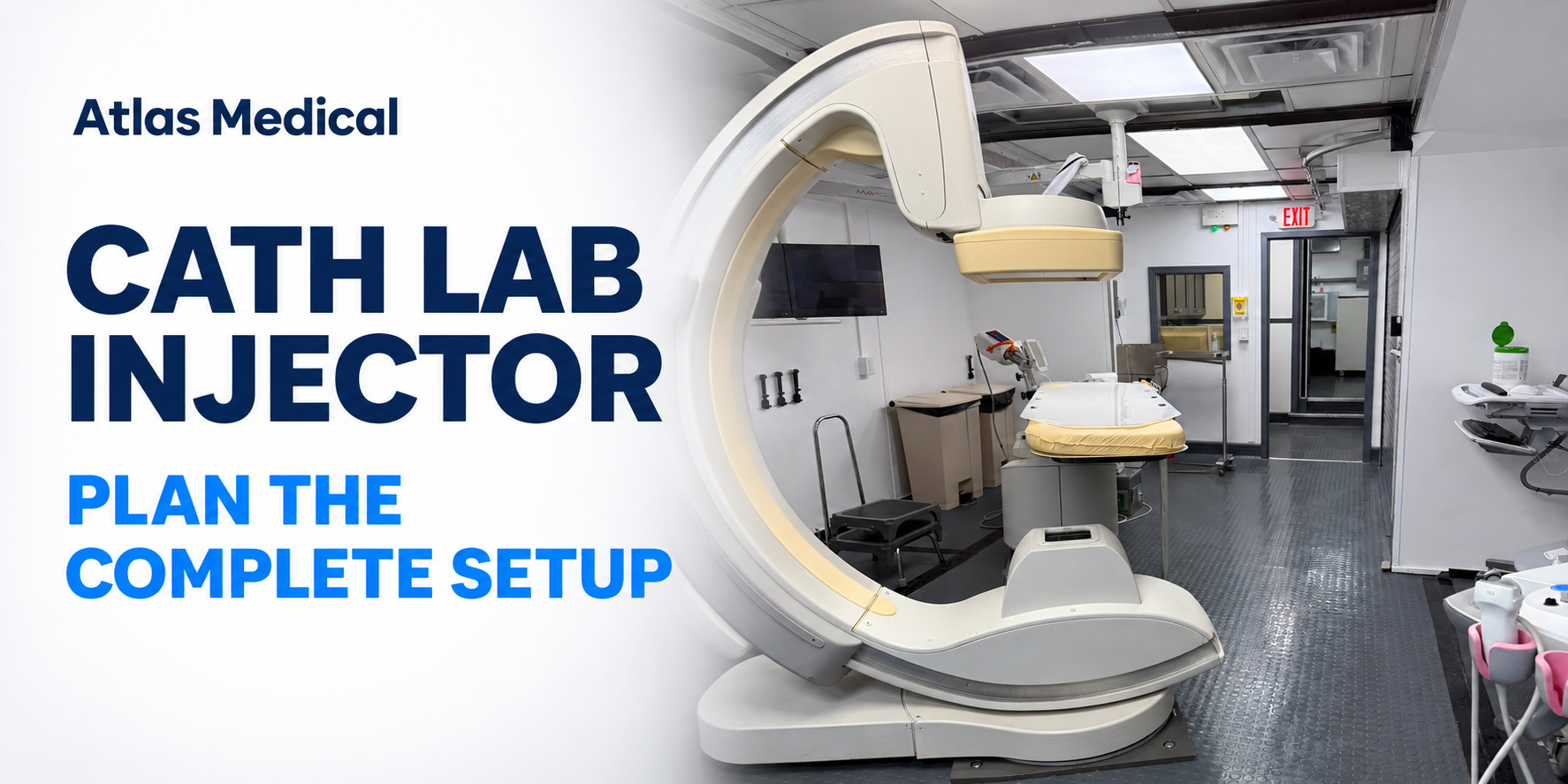
Put the proposed equipment positions on the assigned room drawing. Review the arrival position, the intended transfer position and the location of equipment after the transfer. Ask where the staff identified by the hospital's assessment will work.
The VA's safe patient handling and mobility guidance includes ergonomic assessment of rooms and facilities alongside clinical assessment, equipment selection and staff preparation. The practical planning implication is to review the room and the task together.
For example, imagine a hospital planning to bring its existing stretcher and transfer aid into a temporary room. The project team can ask whether the intended arrangement conflicts with a table base, nearby cabinet or another item that must remain accessible. This is a hypothetical planning example, not a finding about an Atlas unit.
Do not assign a universal clearance from this article. The answer depends on the actual equipment, its instructions, the assigned layout and the hospital's professional review. Any proposed change to installed equipment or room arrangements needs the appropriate review before implementation.
Make equipment availability part of the layout decision
An approved equipment choice is only useful if the hospital can access it. OSHA's patient-handling equipment guidance emphasizes appropriate, accessible equipment and systems for maintenance and clean supplies.
For the temporary project, settle where the selected equipment will be kept, who provides it and how staff will obtain it. Identify applicable charging, cleaning, inspection and replenishment responsibilities through the hospital's procedures and device instructions.
Keep those locations on the same plan used for the room review. A storage proposal that appears convenient in a meeting may conflict with an access route once the room is arranged. If equipment is shared with another department, confirm the operational arrangement with that department rather than counting it as dedicated stock.
Review the arrangement before patient use
Have the hospital's responsible teams plan a review using the assigned room and actual equipment. A hospital-led walkthrough or simulation without patients can help the team examine its proposed arrangement and identify questions for the equipment manufacturers or project team. The hospital determines the scope and acceptance criteria.
Include the people who will perform the work. Record any equipment substitutions, layout changes or training needs that emerge, and route them to the appropriate decision-maker. A successful demonstration of one arrangement does not establish suitability for every patient or every transfer task.
Before the temporary service begins, the hospital should know which arrangement has been accepted for its intended scope, where the supporting equipment will be available and which issues still prevent use. Clinical readiness remains a separate hospital determination.
Bring a concrete transfer question to the project discussion
For an initial conversation, bring the proposed transport and transfer-device models, the intended service scope and the questions your clinical team needs answered about the assigned table and room. That gives the discussion a useful starting point without presuming fit.
Planning temporary cath capacity during renovation or replacement? Contact Atlas Medical to discuss the project and the assigned-unit information your hospital team needs for its review.