
A hospital replacing its cath lab may focus first on the imaging system. The contrast injector can look like a smaller decision until the project team asks a more specific question: which complete injector setup will actually be available in the temporary room?
“An injector is included” and “we will move ours” are starting points, not finished arrangements. The department still needs to connect the device, its supporting components, consumable ordering, training and technical responsibilities to the assigned temporary lab. Resolve those details while there is time to change the plan, rather than treating them as delivery-day discoveries.
Choose between a supplied injector and a hospital transfer
Start by asking the rental project contact to identify the injector configuration proposed for the assigned unit. Record the manufacturer, model and included components. Then have the hospital's clinical and biomedical engineering teams compare that proposal with their intended workflow.
If the department prefers to move its existing injector, identify the actual device and the date it can leave the permanent room. A renovation plan may depend on that same injector remaining in service until the last case in the old lab. That creates a transition dependency even when the equipment itself is familiar.
Compare the two options as complete arrangements. Who supplies the mounting equipment? Which controls and cables travel with the device? Who is responsible for reviewing compatibility and performing authorized installation? Ask for written confirmation of the agreed scope. A photograph or a generic equipment list cannot settle these questions for a particular assignment.
Define what “complete” includes
An injector name alone does not describe the whole installation. As one manufacturer example, Bayer's MEDRAD Mark 7 Arterion information describes several mounting arrangements and connectivity with imaging equipment. Those options illustrate why a model name is insufficient; they do not establish what is installed in any Atlas unit.
For the proposed setup, ask the responsible technical team to identify the injector, control/display components, mounting arrangement, specified cables and any agreed imaging-system interface. Separate included items from hospital-supplied items and unresolved selections.
Keep that equipment scope distinct from clinical use decisions. The hospital's qualified team should determine the appropriate device configuration and follow the applicable manufacturer's instructions. This planning discussion does not establish compatibility or authorize connecting equipment.
Treat consumable ordering as its own decision
A temporary device may not use the same consumables already stocked for the permanent room. Have the clinical team and supply chain confirm the exact manufacturer-specified items for the selected configuration, using current instructions and product identifiers rather than an informal description such as “our usual injector supplies.”
Determine who orders the initial stock, where it will be received and who checks the delivered items against the approved list. Also decide how replenishment will work after the first week. A temporary location should have a named ordering route, even if it uses the hospital's existing supply process.
Consider a simple planning example: the rental scope includes an injector, while the hospital assumes its current supplies can transfer unchanged. Nobody has yet compared the product identifiers. The useful next action is a documented review by the responsible clinical and purchasing teams—not an assumption that either the supplies or the injector must be replaced. Keep proposed substitutions unresolved until the appropriate review is complete.
Review the room with the selected arrangement
Once the equipment scope is clear, review its proposed location in the actual room. Ask the clinical team where the operator will work and the technical team which installation constraints apply. Include the table, imaging equipment and other hospital-supplied devices in that discussion.
Use the assigned-unit drawings and a coordinated walkthrough to examine the proposed arrangement. Identify questions about the mount, control location, cable routing, equipment movement and access for cleaning or service. Route those questions to the people responsible for the device and room; do not solve them with improvised brackets, adapters or extensions.
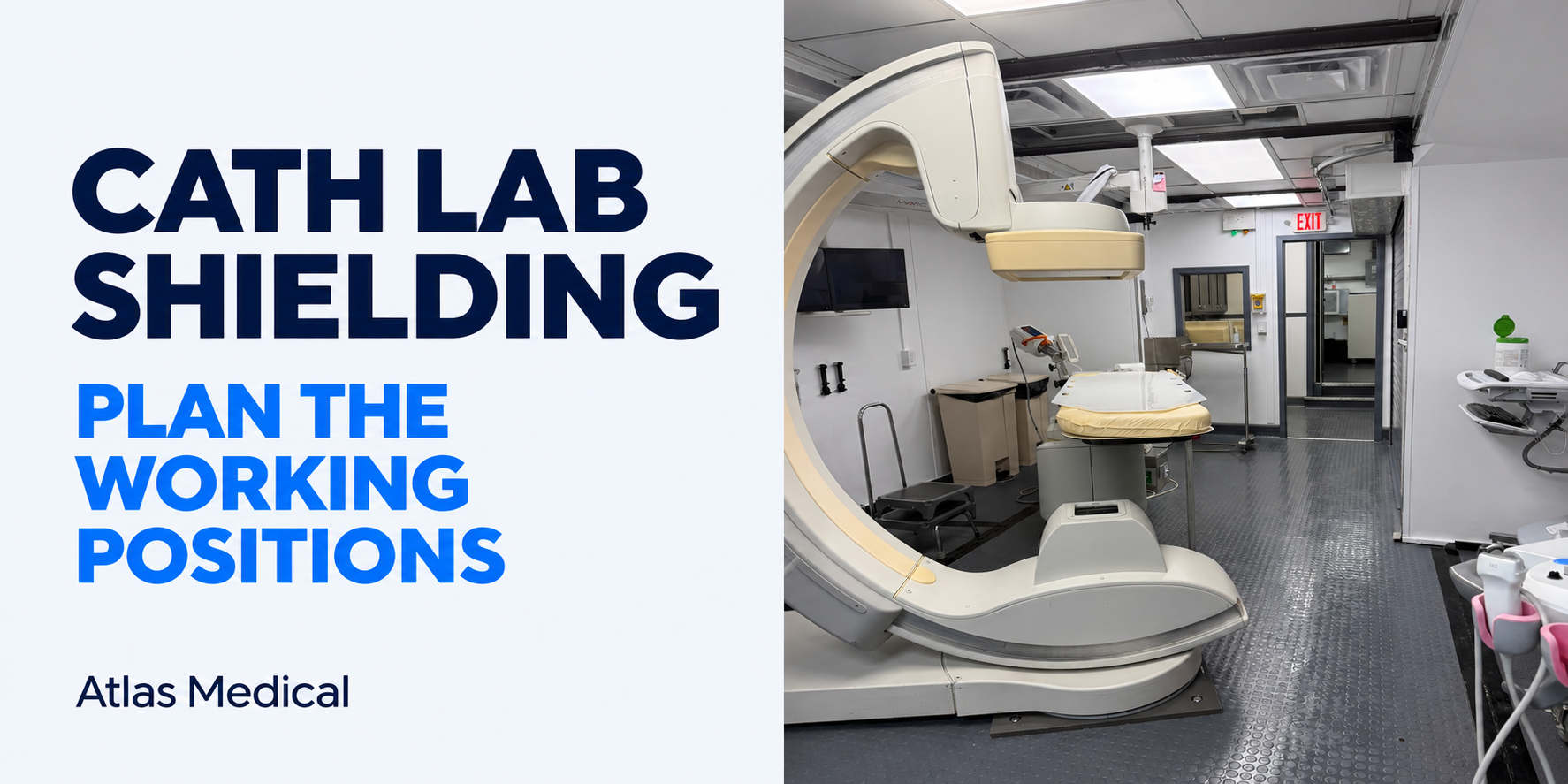
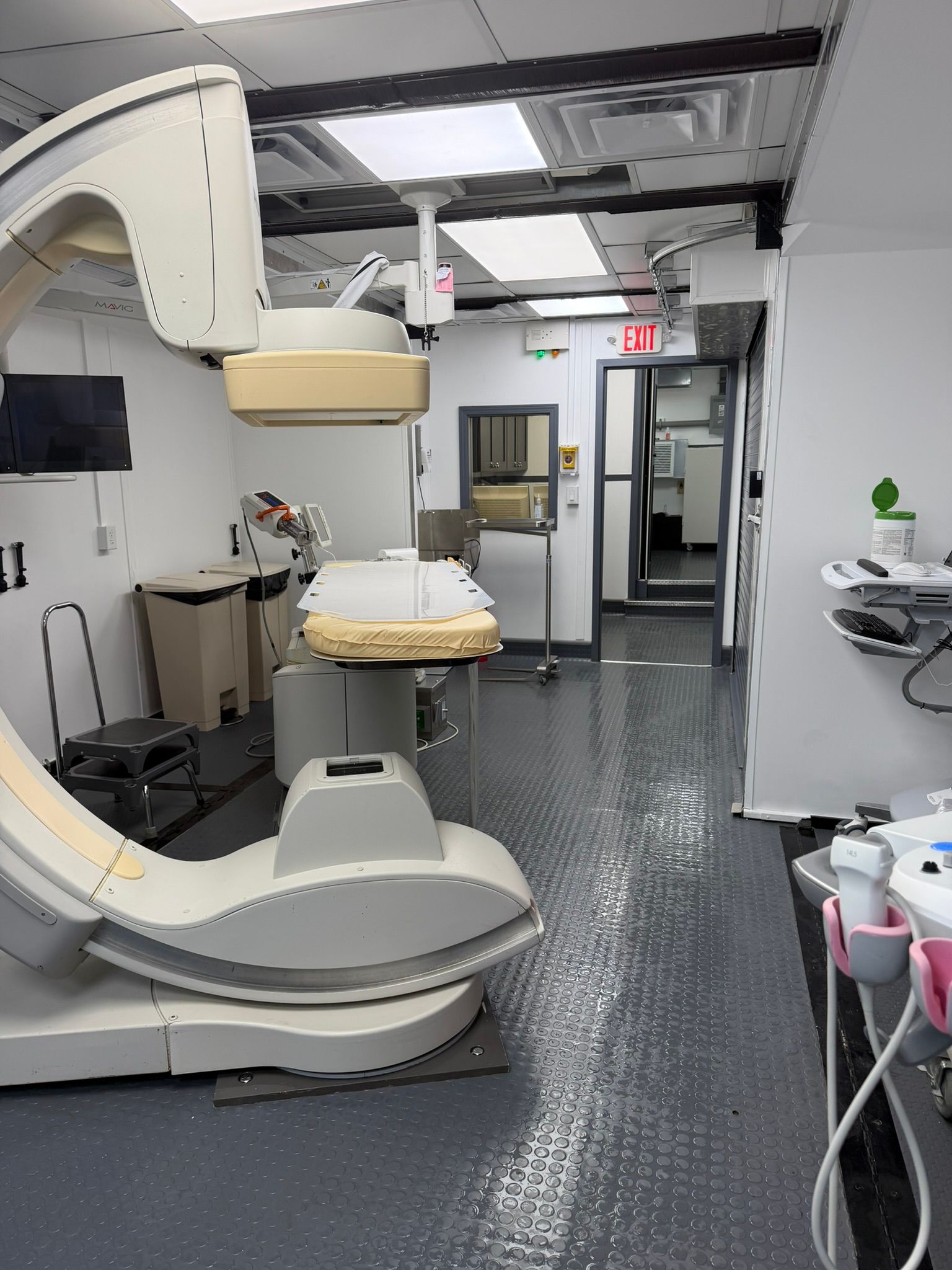
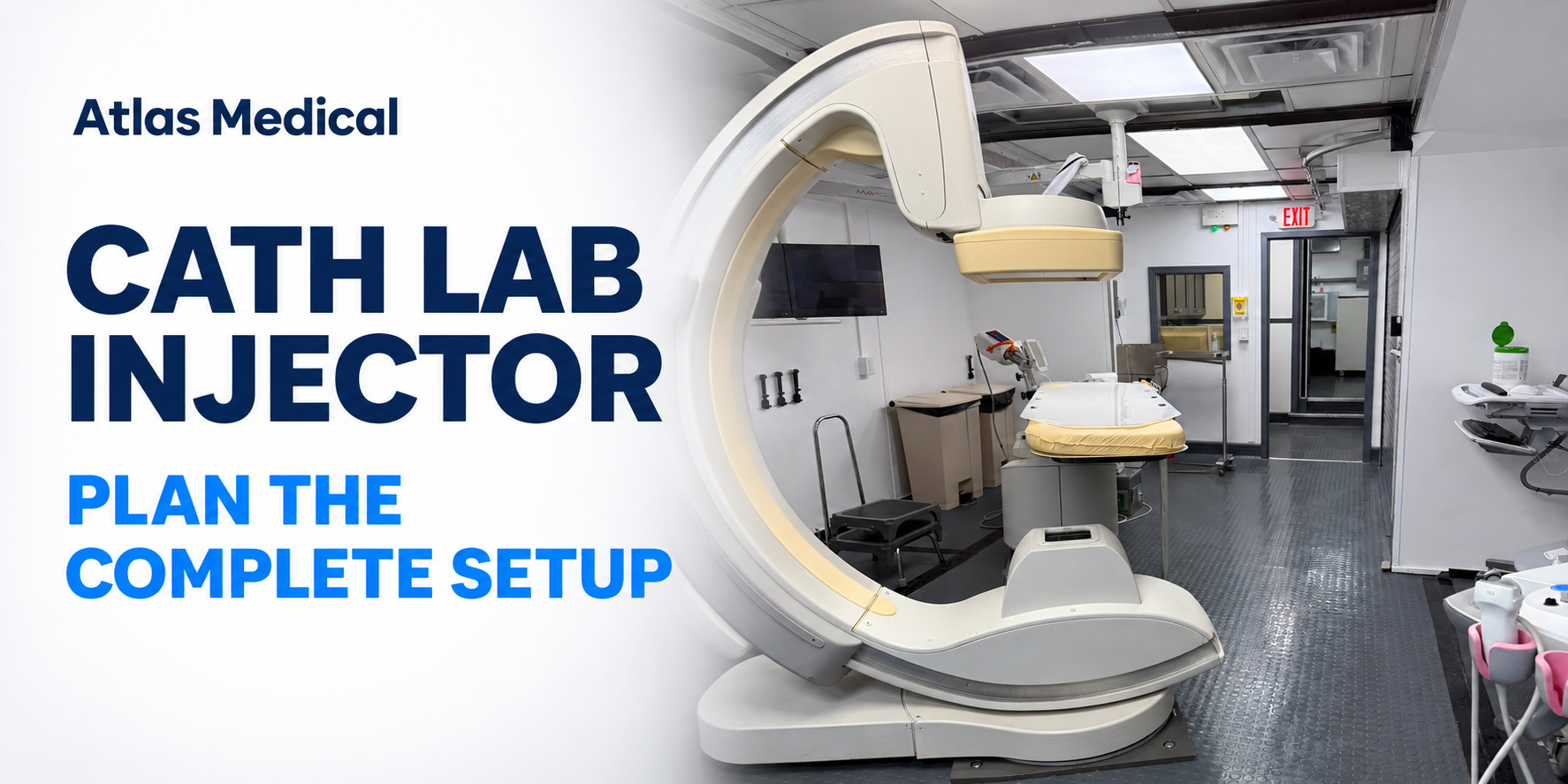
The objective is an agreed arrangement that can be evaluated by the qualified teams. A spacious-looking photograph is useful context, but it cannot verify clearances, compatibility or the suitability of a particular installation.
Confirm training and support separately
Include the injector explicitly when defining the training scope. Atlas's cath lab applications-training guidance distinguishes imaging-system training from training for supporting devices. Do not assume that a session covering the imaging console also covers the injector.
Identify who will coordinate device-specific instruction, which staff groups need it and when the complete setup will be available for that instruction. Staff familiarity is useful background, but the responsible team still needs to assess the actual configuration and any changed workflow.
Agree on the service contact and escalation route for the selected device. Distinguish a question about operation from an equipment fault or an installation issue. Record which organization owns each response and how the hospital will reach it; do not infer service hours or response guarantees from the rental arrangement.
Close the equipment decision before the move
Before the transition date, bring the agreed equipment scope, consumable list, installation responsibilities and training arrangements together for the hospital's review. Highlight every unresolved item that could affect the planned move. The hospital's acceptance and clinical readiness decisions remain separate from delivery or the presence of equipment in the room.
For an Atlas project discussion, bring the current injector model, the planned temporary-service dates and your preference for a supplied device or hospital transfer. Contact Atlas Medical to confirm the proposed assigned-unit equipment scope and identify the questions that need technical or clinical review.