Mobile CT Scanner Regulations and State Requirements

Navigating Mobile CT Regulations with Atlas Medical
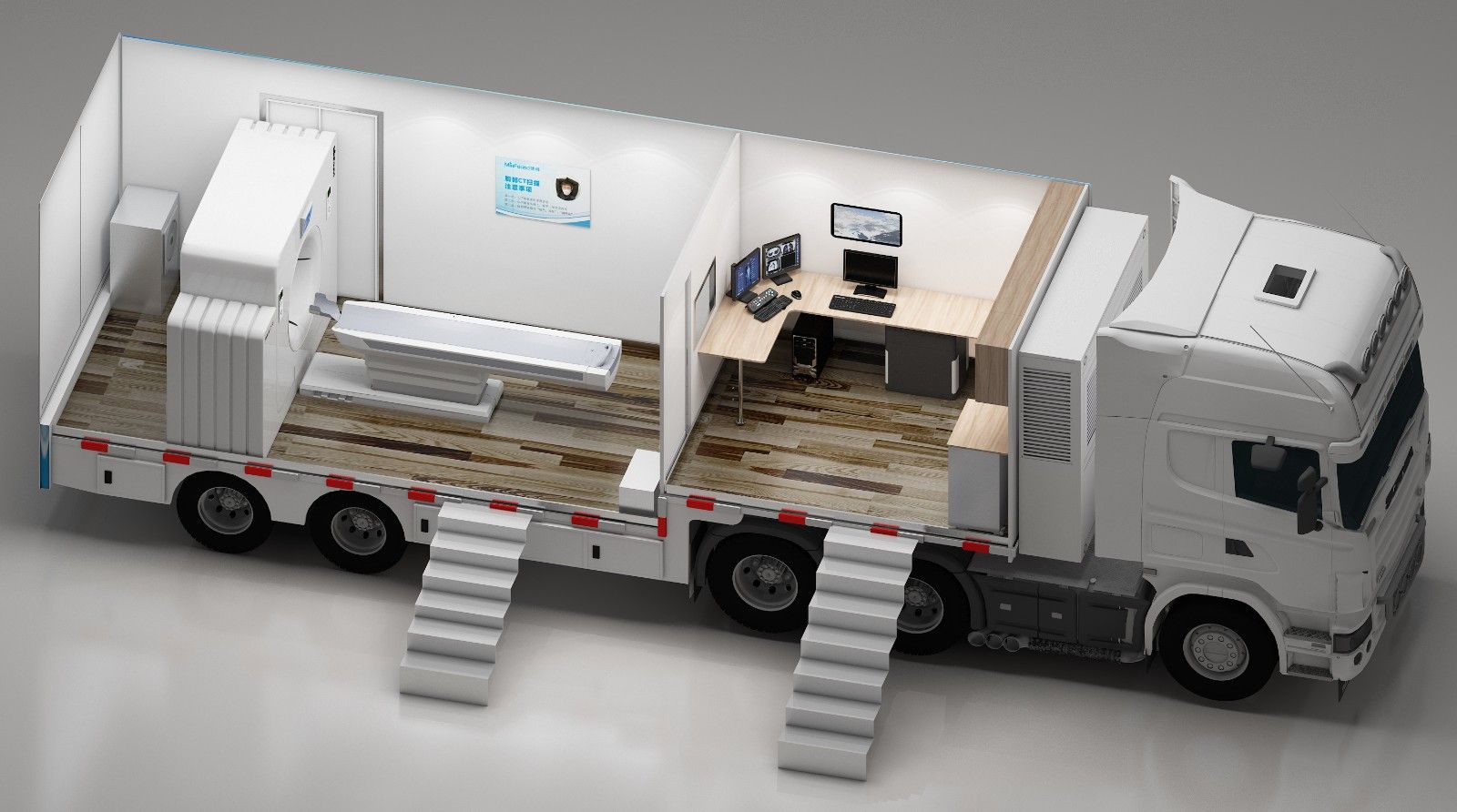
Running a Mobile CT Scanner isn’t as simple as pulling in, plugging in and scanning away. Different states have different rules and regulation, and federal guidelines add another layer of complexity. Here’s the lowdown on crucial regulations and how Atlas Medical helps keep you compliant.


Joint Commission Accreditation

If You’re Accredited, You’re Accountable
For
Joint Commission-accredited facilities, adding a mobile CT must meet those same rigorous standards. Keep documentation consistent, ensure patient data remains secure, and maintain top-tier safety protocols.


HIPAA Compliance

Protect Patient Confidentiality
Mobile CT scanner or not,
HIPAA rules never take a back seat. Confirm that data transmission from your unit to your main systems is encrypted and secure. Software, network protocols—everything must align with patient privacy rules.


X-ray Tube State Registration

Paperwork and Registration


In many states, X-ray equipment needs official registration. Submit forms to the state’s radiation agency, and schedule any mandated inspections. The earlier you tackle this, the less likely you’ll face operational delays on launch day.


Certificate of Need (CON)

Do You Need Permission to Operate?
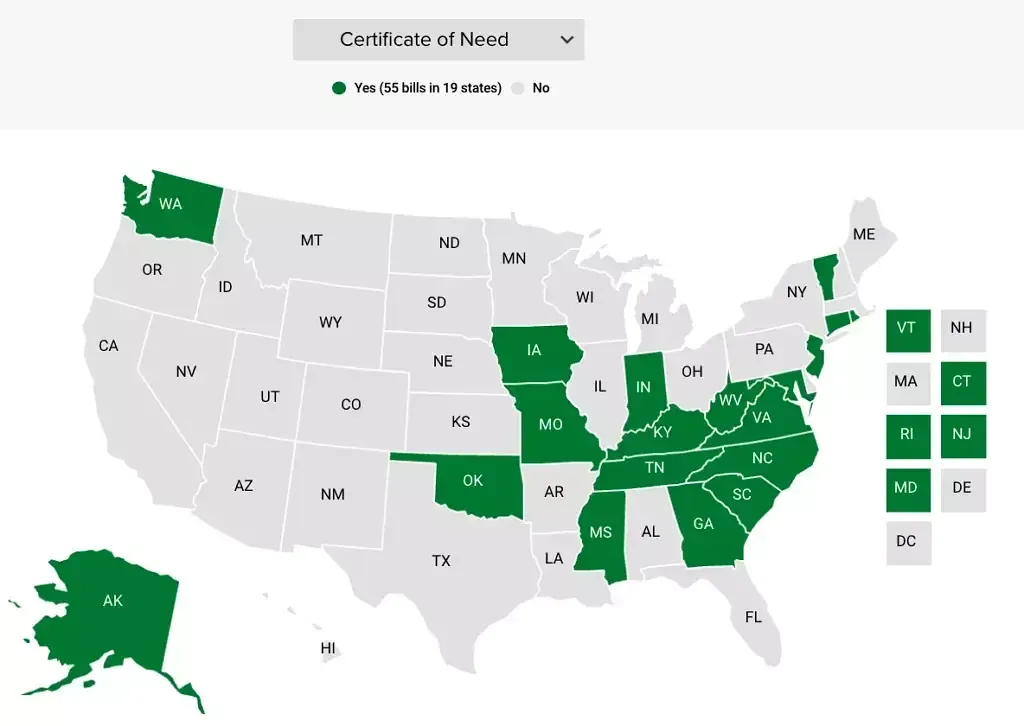
Maybe! Some states enforce
CON laws for introducing advanced imaging technology. That can include mobile CT scanners. Investigate whether your region has such requirements—navigating bureaucracy up front avoids unpleasant surprises later.


See the below map to determine if your state requires a CON for a mobile CT scanner. Remember, if you are renting during downtime you most likely won't need to aquire a CON prior to using a mobile CT scanner.
Radiation Safety Plan

A Shield for Patients, Staff, and You
Implement a clear
radiation safety program: protective gear, dosimetry badges, signage, and training. Fulfilling OSHA and state-specific guidelines isn’t just about compliance; it’s about trust and credibility.


A Sanitation and Hygiene Plan

Cleanliness Speaks Volumes. At a minimum, you'll want to implement the following:

  • Routine Cleaning: Wipe down the scanner and surfaces between patients.
  • Protective Equipment: Disposable gloves, gowns, and masks for staff.
  • Clear Signage: Step-by-step instructions for patients to reduce confusion.


Prior to delivery there are multiple site planning steps that need to be completed. Learn more about Mobile CT Rental Site Planning HERE.


Navigating the web of mobile CT scanner regulations can feel daunting. But with the right partner and proactive measures, compliance becomes routine, not a burden. Atlas Medical stands ready to guide you through these steps, ensuring your mobile service adheres to every standard while delivering top-notch patient care.


Close-up portrait of a man with short gray hair and a neutral expression against a blurred background

Sean Schneider

Mobile Project Manager · Atlas Medical


About the Author

Say hello to Sean Schneider - our Mobile Project Manager at Atlas Medical. Sean has worked in the medical imaging industry for over 20 years, including 10 years with Atlas Medical. 


Sean has a knack for making complicated projects simple to understand. Around here, Sean's the man who keeps things moving smoothly.


When Sean isn't helping launch our mobile imaging units at new sites he enjoys spending time with his family, golf, and hockey.

Request a Mobile Imaging Solution

Our Services Include:
Medical lab category buttons

By Jared Labtic September 9, 2026
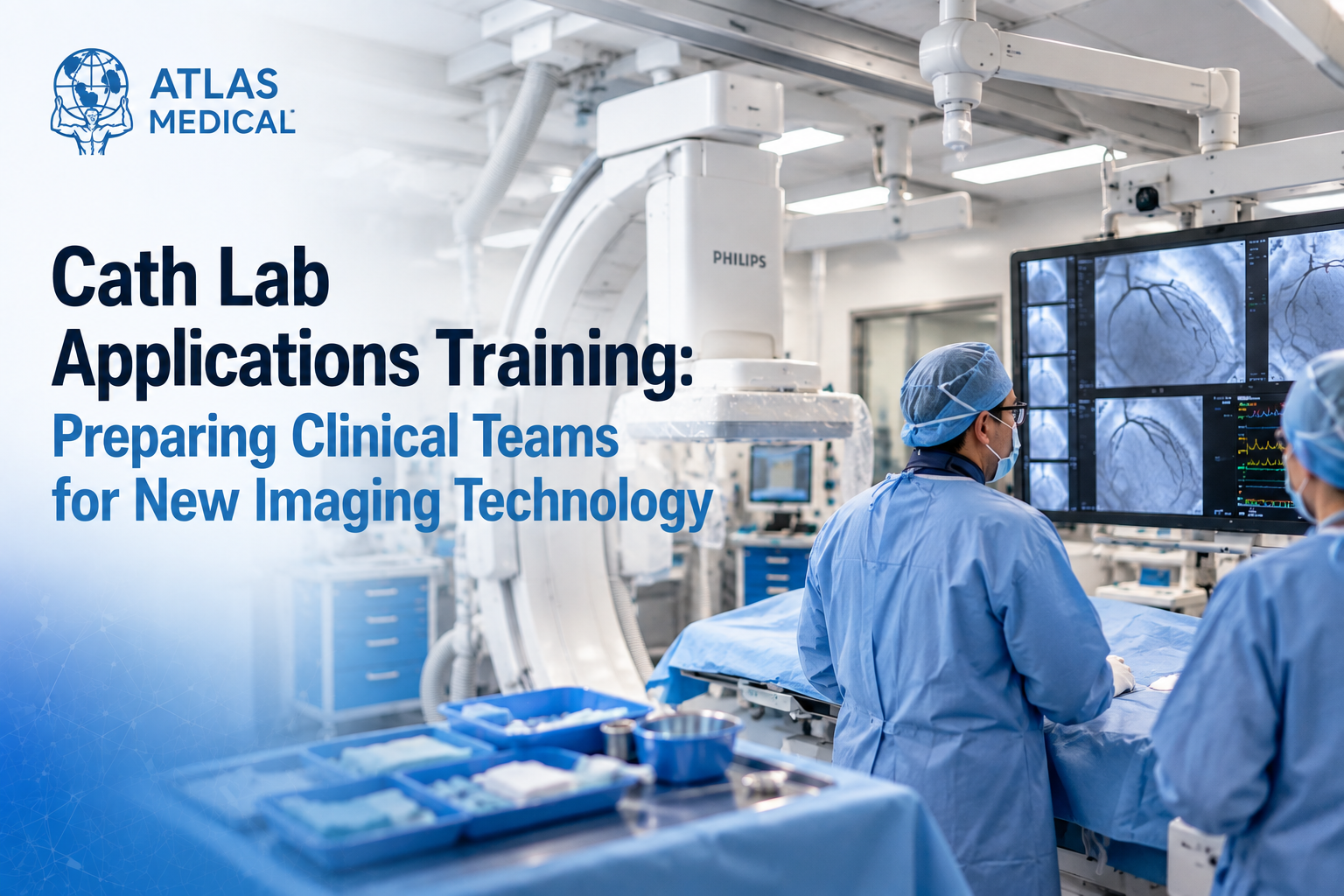
Installing or gaining access to a cath lab imaging system is only part of getting the room ready for clinical use.  The people operating the technology also need to understand how that particular system fits into their daily workflow. A clinical team may already have years of cath lab experience and still need time to become comfortable with a different interface, room controls, imaging modes, table and C-arm movements, image review tools, and system-specific workflows. That is where cath lab applications training becomes valuable. Rather than teaching cath lab fundamentals, applications training focuses on helping experienced clinical teams understand and effectively use the imaging technology available to them. Hospitals that need project-based support can explore Atlas Medical's imaging applications training and temporary technologist staffing .
By Jared Labtic September 8, 2026
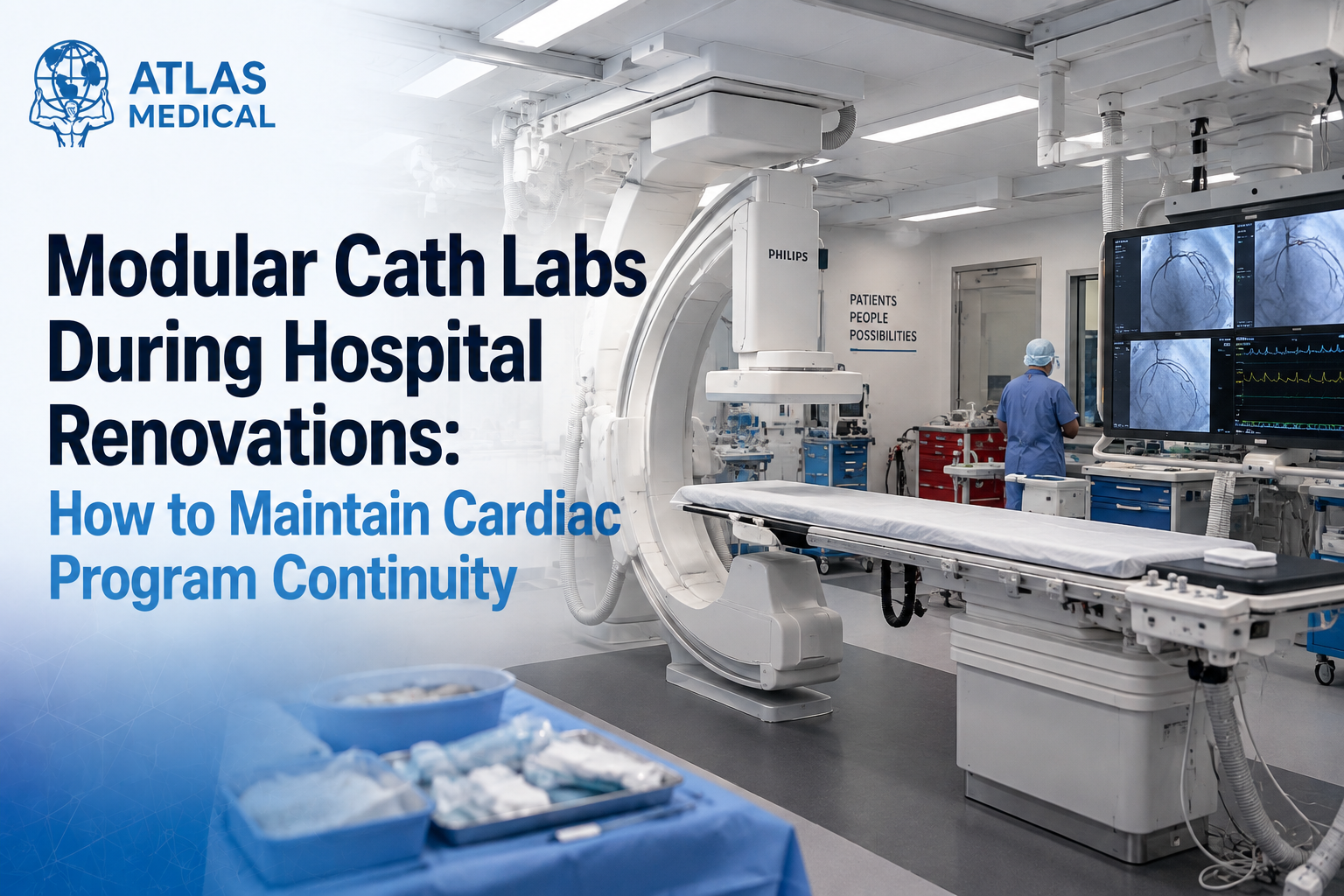
A cath lab renovation creates an unusual planning challenge for hospitals: the project is designed to improve cardiac services, but completing it may temporarily take critical procedural space out of operation. The construction schedule is only part of the problem.  Hospital leaders also have to decide what happens to procedures, physicians, staff, patients, and workflows while the permanent lab is unavailable. A modular cath lab for hospital renovation can provide temporary procedural capacity on-site while work progresses inside the permanent facility. Atlas Medical specifically positions its modular cath lab rentals for renovations, temporary capacity, and projects where hospitals need to keep cases running. The key is to treat the modular lab as part of the renovation strategy—not as equipment that gets added after the construction plan is already finished.
By Jared Labtic September 1, 2026
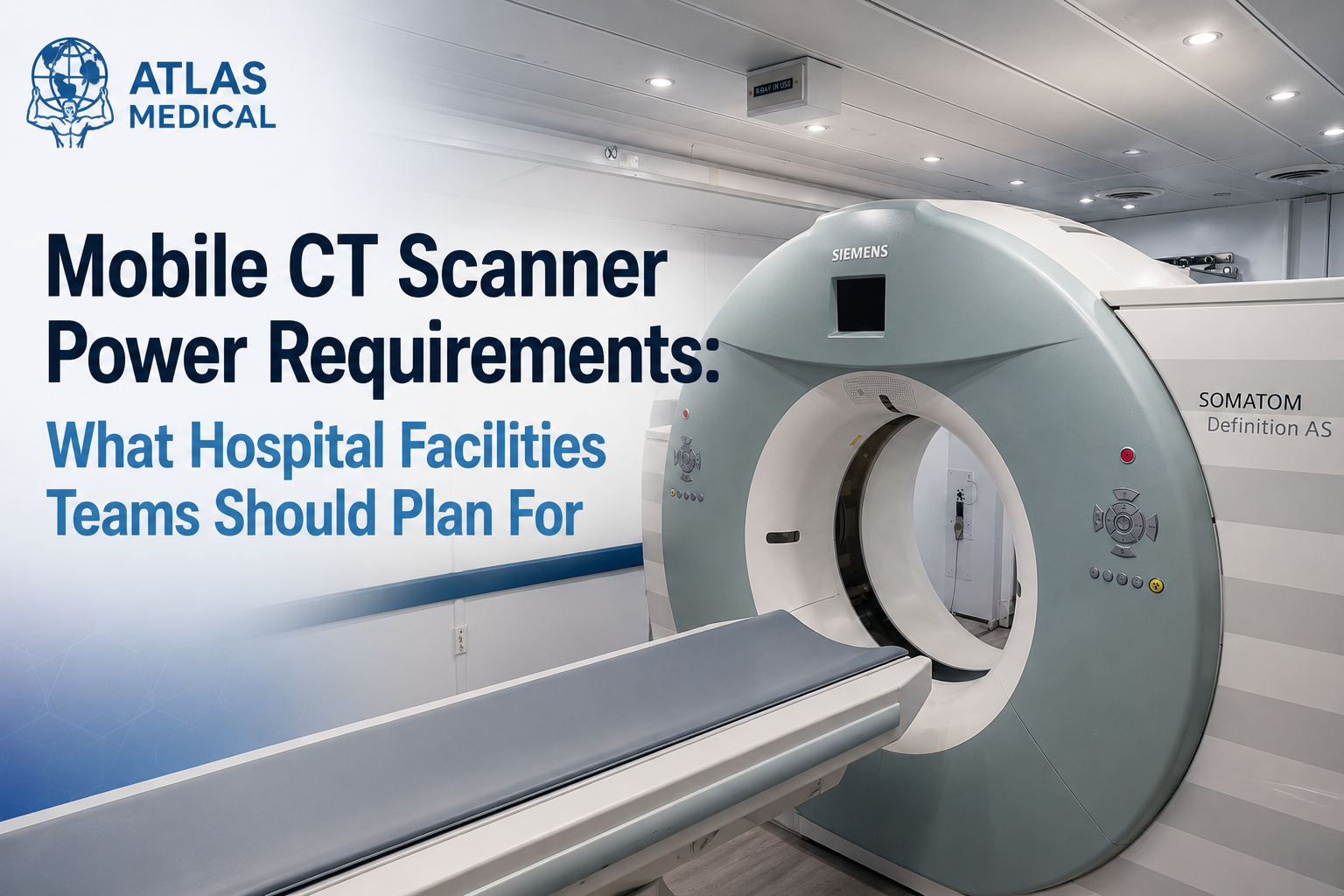
A mobile CT scanner may arrive on a trailer, but it still needs the electrical infrastructure required to operate advanced diagnostic imaging equipment. For hospital facilities and engineering teams, that makes power one of the first technical questions to resolve before delivery. Atlas Medical notes that a typical mobile CT unit requires 480V, 3-phase power . However, hospitals should not treat that figure as a universal specification for every trailer or scanner. The electrical requirements should always be confirmed for the specific mobile CT unit assigned to the project. Getting that information early gives facilities teams time to evaluate the site's existing electrical capacity, determine whether electrical work is necessary, coordinate responsibilities, and have the connection ready before the mobile unit arrives.
By Jared Labtic August 30, 2026
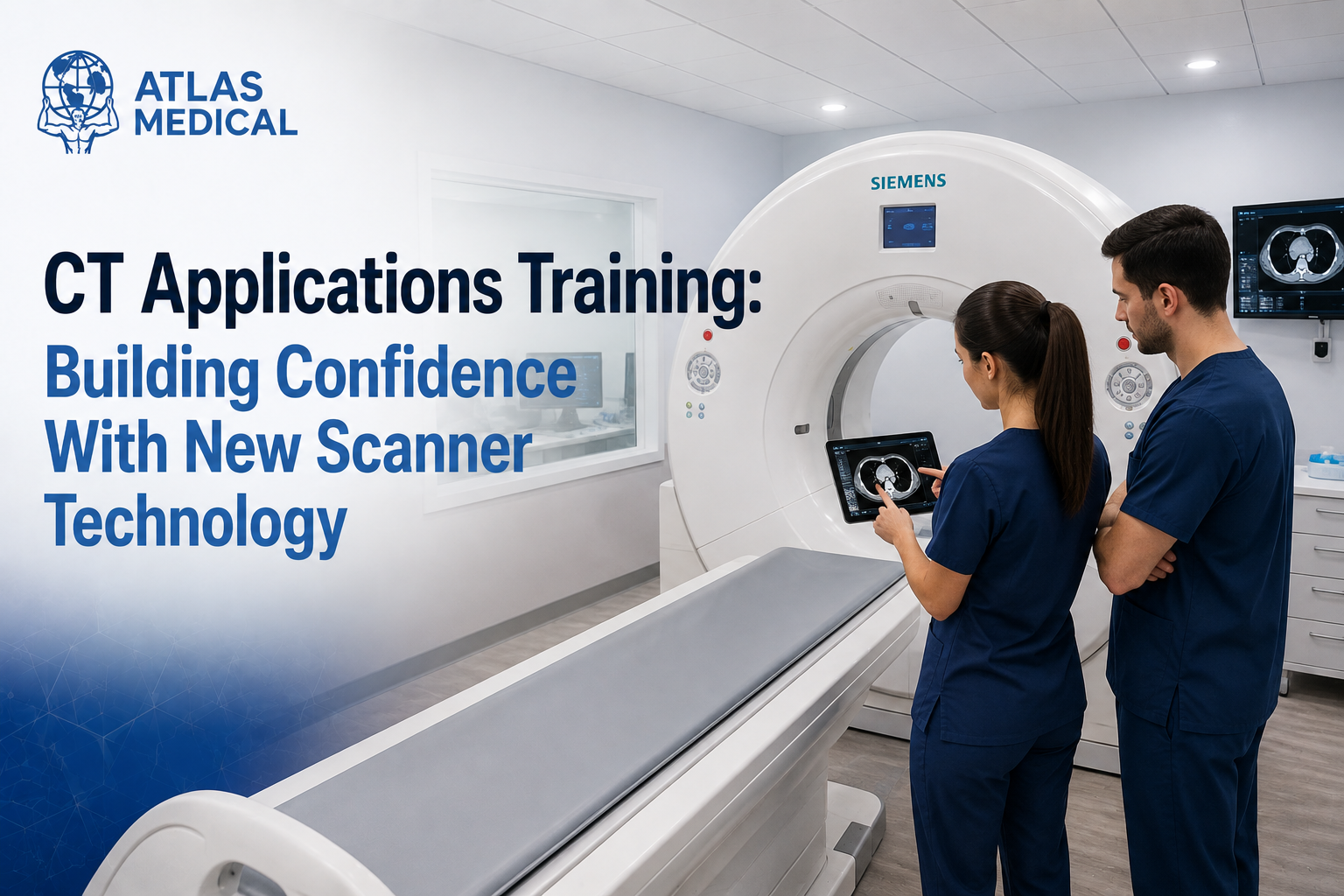
An experienced CT technologist already understands patient care, positioning, scan preparation, and the clinical demands of a busy imaging department. What changes when the scanner changes is the technology used to perform that work. A new interface, different protocol structure, unfamiliar reconstruction tools, or a change in manufacturer can create a learning curve even for an experienced team. CT applications training gives technologists hands-on, system-specific support so they can understand how the scanner fits into their department's clinical workflow. Hospitals may need this support when installing a scanner, replacing older equipment, changing OEM platforms, introducing advanced applications, opening a temporary imaging location, or onboarding additional staff. Atlas Medical provides imaging applications training and temporary technologist staffing for hospitals and imaging providers with project-based clinical support needs.
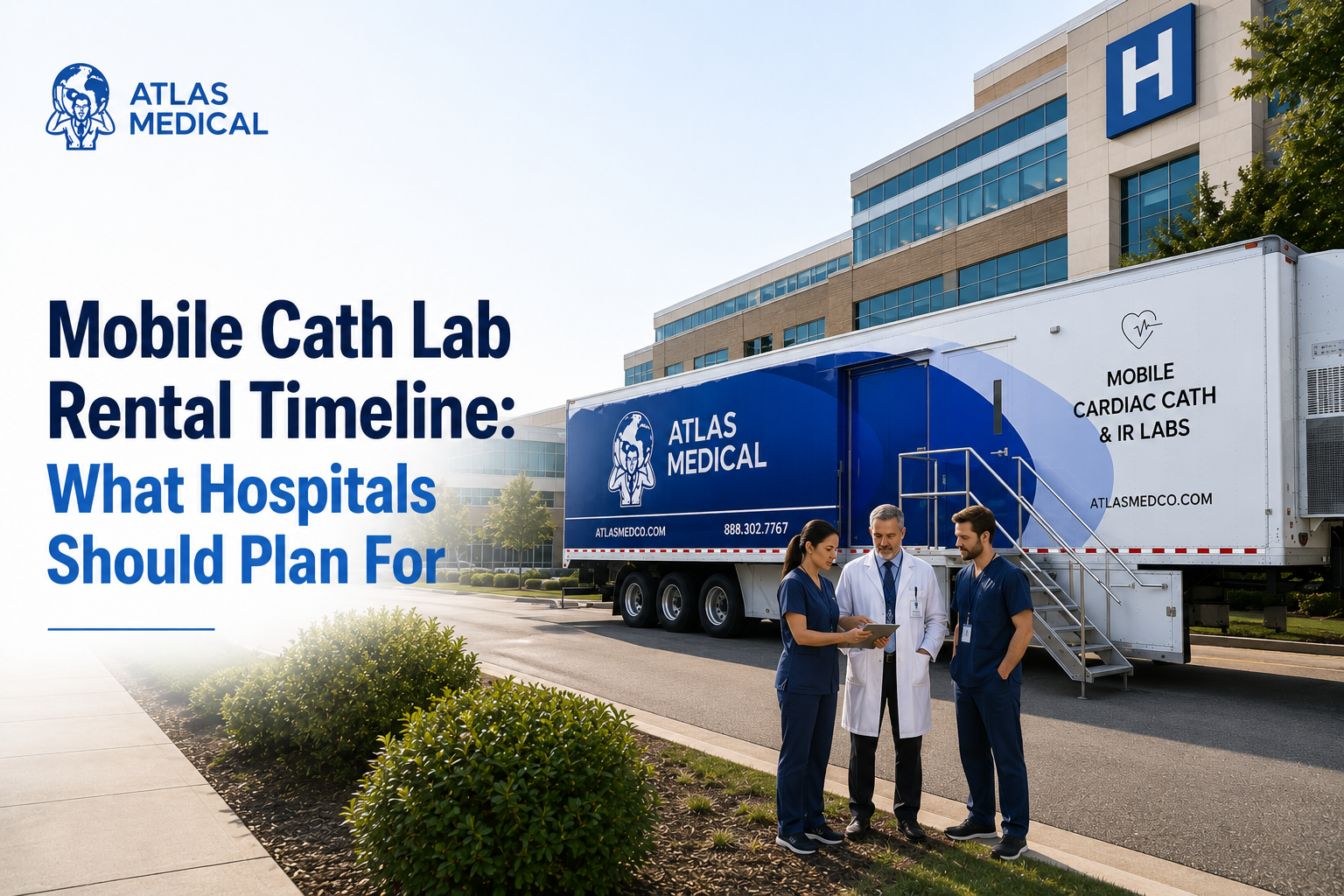
Mobile cath lab rental unit outside a hospital with healthcare professionals planning temporary cath
By Jared Labtic August 20, 2026
Planning a mobile cath lab rental? Learn the key stages hospitals should prepare for, from project assessment and site readiness to delivery and go-live.
June 15, 2026
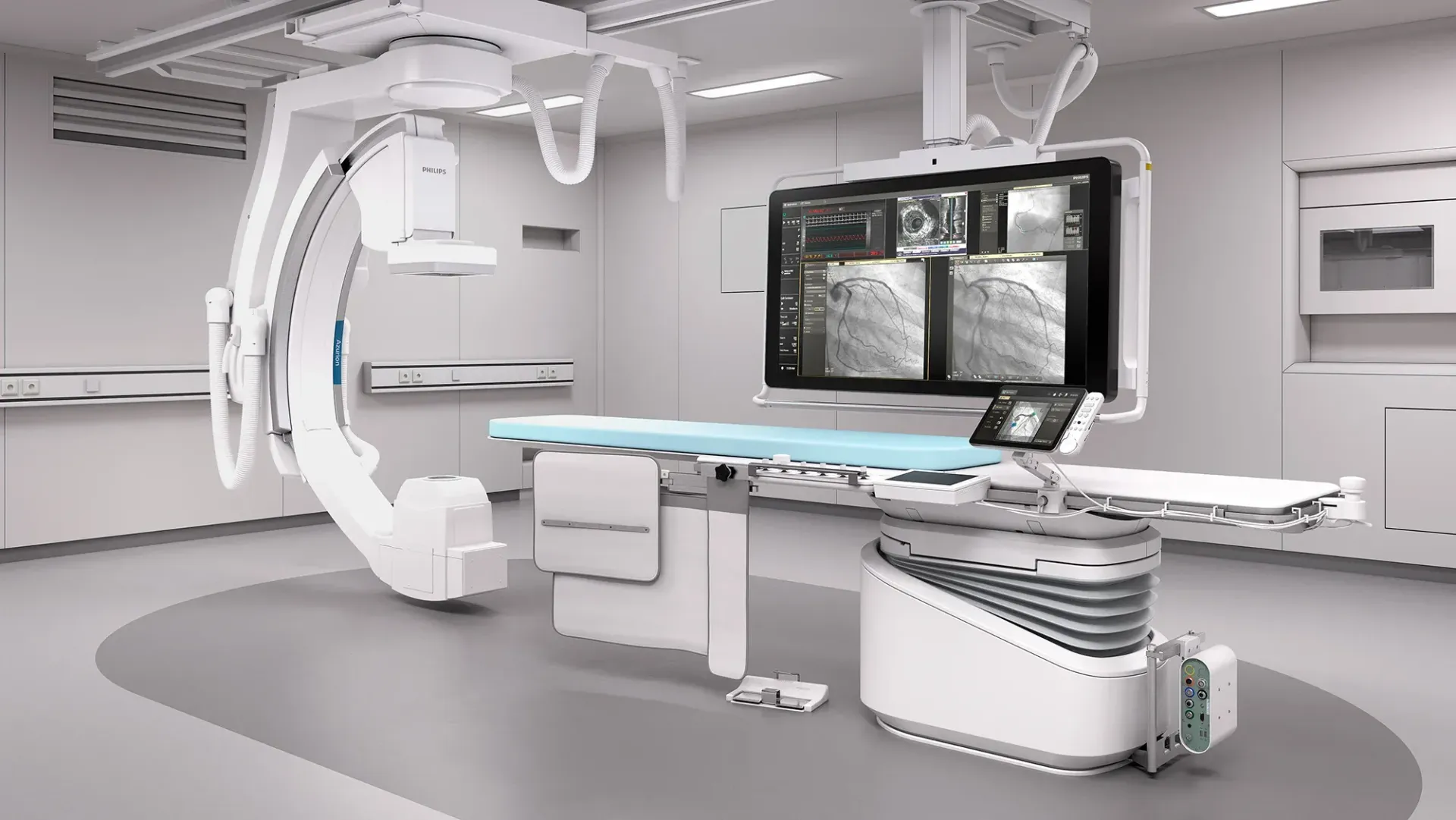
Comparing Philips Allura vs Azurion? Learn about each systems's workflow,dose management, 3D guidance, and long-term value for modern interventional labs.