Revolutionizing Opioid Treatment: The Rise of Mobile OTP Clinics

Expand Access to Opiod Treatment Programs in Your Community
Bringing Hope to Communities, One Mile at a Time

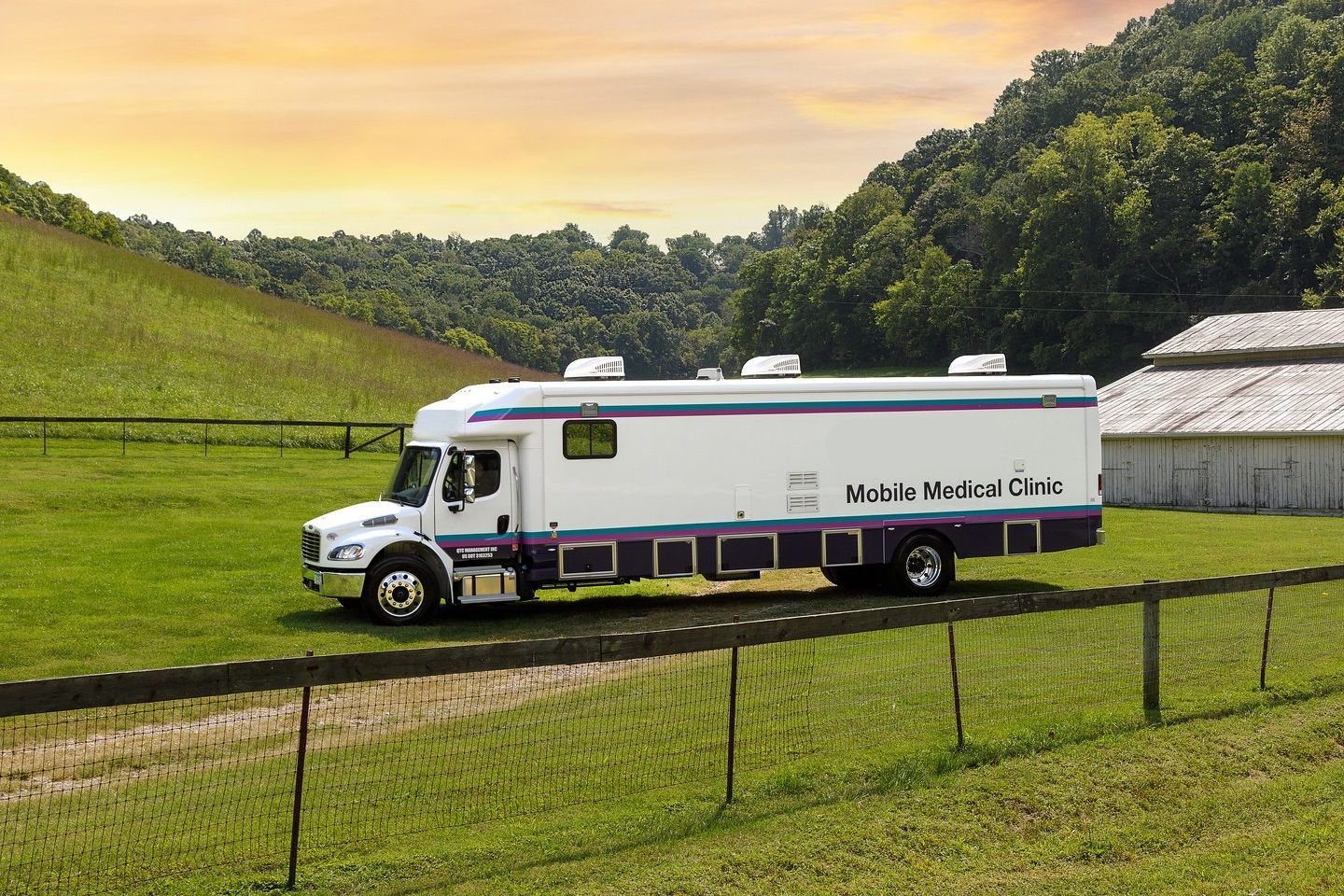
Imagine a world where the chains of opioid addiction are broken not in distant clinics, but right within the heart of affected communities. A world where treatment comes to the patient, eliminating barriers and transforming lives. This is not a distant dream—it's the reality of Mobile Opioid Treatment Programs (OTP).


Learn more about our Mobile Clinic Partnership Programs here.


The Urgent Need for Mobile OTP

Opioid addiction has carved a devastating path across our nation, leaving no community untouched. Traditional treatment centers, while effective, often remain out of reach for many due to distance, stigma, or lack of resources.

Enter Mobile OTP Clinics:

  • Accessibility: Bringing treatment directly to underserved areas.
  • Flexibility: Adapting to the shifting landscapes of opioid hotspots.
  • Efficacy: Providing comprehensive care that meets patients where they are.


What Are Mobile OTP Clinics?

Mobile OTP clinics are fully equipped medical units designed to deliver Medication-Assisted Treatment (MAT) to individuals struggling with opioid addiction. These clinics offer:

  • Medication Dispensing: Including methadone, buprenorphine, and naltrexone.
  • Counseling Services: On-site behavioral therapy and support.
  • Harm Reduction Resources: Distribution of naloxone and educational materials.


Learn more about our Mobile Clinic Partnership Programs here.


The Impact of Mobile OTP on Communities

Breaking Down Barriers:

  • Overcoming Stigma: Patients can receive care discreetly within their communities.
  • Reducing Overdoses: Immediate access to treatment reduces the risk of fatal overdoses.
  • Improving Compliance: Convenience increases adherence to treatment plans.


A Success Story:

In rural Appalachia, a mobile OTP clinic reduced opioid-related deaths by 40% within its first year of operation. This model demonstrates the profound impact mobility brings to treatment accessibility.


Implementing Mobile OTP in Your Practice

Steps to Get Started:

  1. Assess Community Needs: Identify areas with high opioid addiction rates lacking treatment facilities.
  2. Secure Funding: Explore grants, partnerships, and government programs.
  3. Equip Your Mobile Clinic: Ensure it meets all regulatory standards and is fully outfitted for comprehensive care.
  4. Train Your Team: Staff should be well-versed in MAT protocols and compassionate patient care.
  5. Engage the Community: Build trust through outreach programs and collaboration with local organizations.


Learn more about our Mobile Clinic Partnership Programs here.


Regulatory Considerations

Operating a mobile OTP clinic requires adherence to federal and state regulations, including:

  • SAMHSA Certification: Obtain necessary certifications for opioid treatment programs.
  • DEA Registration: For controlled substances dispensing.
  • HIPAA Compliance: Protecting patient privacy is paramount.


The Role of Atlas Medical

At Atlas Medical, we specialize in empowering healthcare providers to expand their reach through mobile clinics. Our expertise includes:

  • Custom Mobile Clinic Design: Tailored to meet OTP requirements.
  • Regulatory Guidance: Navigating the complexities of compliance.
  • Operational Support: From staff training to community engagement strategies.


Learn more about our Mobile Clinic Partnership Programs here.


Conclusion

The battle against opioid addiction demands innovation, compassion, and action. Mobile OTP clinics are at the forefront of this fight, breaking down barriers and delivering hope where it's needed most.


Are you ready to transform lives? Let Atlas Medical guide you in launching a Mobile OTP clinic that makes a tangible difference.


Partnering with Atlas Medical

Embarking on this journey is monumental, but you don't have to navigate it alone. At Atlas Medical, we specialize in transforming healthcare visions into operational realities.


Why Choose Atlas Medical

  • Expertise: We have decades of experience in healthcare solutions and mobile clinic deployment.
  • Comprehensive Support: We will guide you in everything from vehicle selection and customization - to reimbursement and financial modeling- to demand testing - to staff training and regulatory compliance - to marketing and demand generation. We become a partner with you and your team for the entirety of your mobile clinic journey.
  • Tailored Solutions: We understand that one size doesn't fit all. We customize our services to meet your unique needs and goals.


Learn more about our Mobile Clinic Partnership Programs here.


Related Articles from Atlas Medical:

Revolutionizing Opioid Treatment: The Rise of Mobile OTP Clinics

Unlocking Recovery: The Power of Mobile MAT Programs

Combating Opioid Addiction with Mobile OTP/MAT Solutions

Starting Your Opioid Mobile Clinic: A Comprehensive Guide

Mobile Methadone Clinics: Expanding Access to Lifesaving Treatment

Mobile Clinics for Opioid Treatment: A New Frontier in Healthcare



Close-up portrait of a man with short gray hair and a neutral expression against a blurred background

Sean Schneider

Mobile Project Manager · Atlas Medical


About the Author

Say hello to Sean Schneider - our Mobile Project Manager at Atlas Medical. Sean has worked in the medical imaging industry for over 20 years, including 10 years with Atlas Medical. 


Sean has a knack for making complicated projects simple to understand. Around here, Sean's the man who keeps things moving smoothly.


When Sean isn't helping launch our mobile imaging units at new sites he enjoys spending time with his family, golf, and hockey.

Request a Mobile Imaging Solution

Our Services Include:
Medical lab category buttons

Mobile CT scanner installation at a hospital showing delivery, utility setup, and preparation for cl
By Jared Labtic September 13, 2026
By the time a mobile CT scanner arrives at a hospital, much of the planning should already be complete. The site has been selected. Facilities has reviewed the proposed location. Power and connectivity requirements have been discussed. The hospital knows when temporary CT capacity needs to become available. But delivery is not the same as go-live. A mobile CT scanner installation still involves positioning the unit, connecting infrastructure, integrating the scanner with hospital systems, verifying equipment readiness, preparing technologists, and completing the hospital's own pre-clinical requirements. Understanding that sequence helps project teams avoid treating the arrival date as the same thing as the clinical start date. Hospitals evaluating temporary CT capacity can review Atlas Medical's mobile CT scanner solutions before building their deployment schedule. Atlas currently offers mobile CT systems from major OEMs and includes applications training and integration support as part of its turnkey approach.
Mobile cath lab unit showing the type of equipment and facility setup hospitals should consider when
By Jared Labtic September 13, 2026
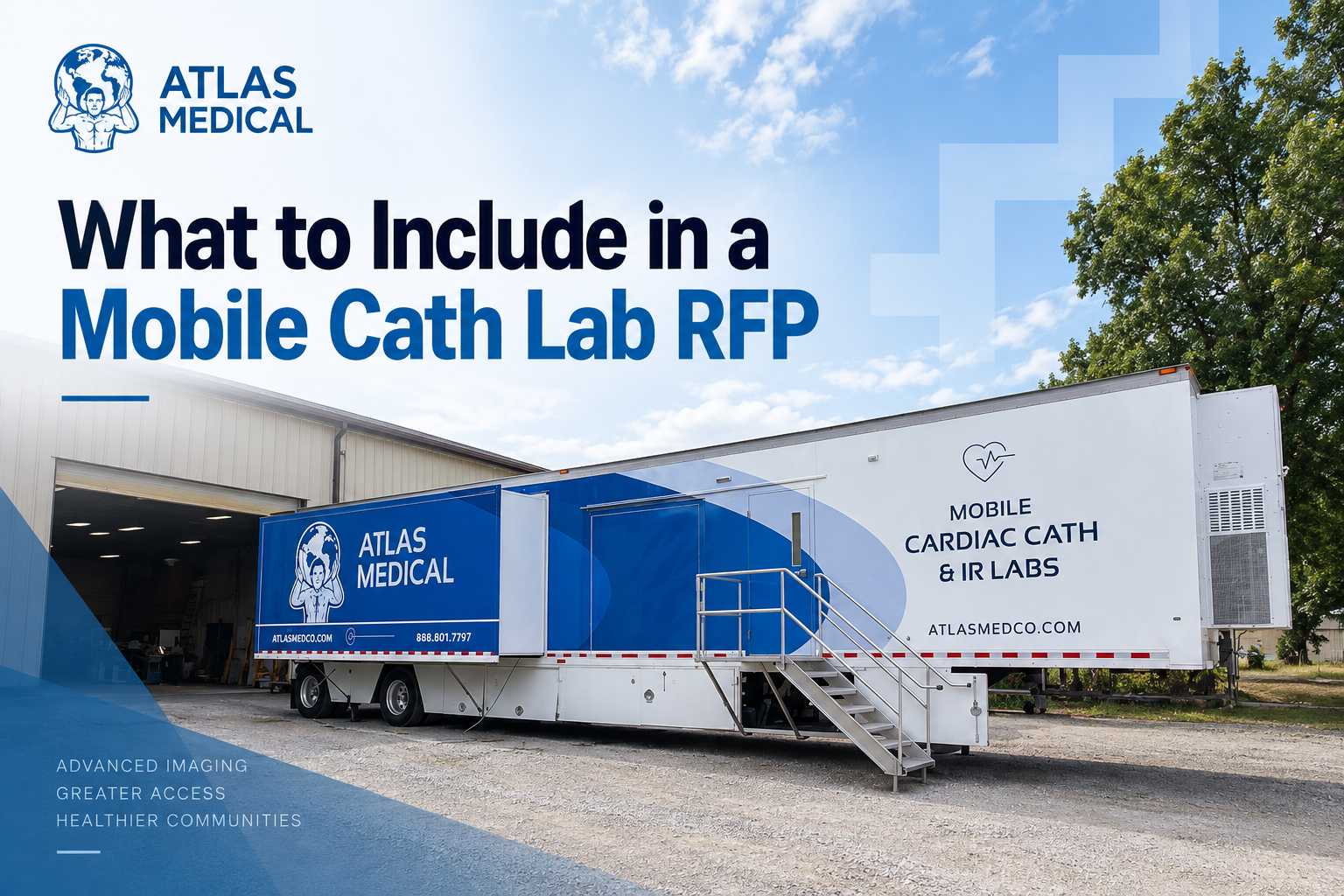
A hospital preparing to rent a mobile cath lab needs more than a price and an available trailer.  The hospital needs to know whether the temporary lab can support its procedures, fit the site, integrate with existing systems, arrive on schedule, support staff workflow, and remain available for the full project period. A well-written mobile cath lab RFP helps procurement teams compare vendors against the same requirements instead of evaluating proposals that describe completely different solutions. The RFP should therefore be developed with input from more than procurement alone. Cath lab leadership, facilities, IT, clinical engineering, project management, infection prevention, finance, and other appropriate hospital stakeholders may all have requirements that affect the temporary lab. Hospitals still defining the type of temporary solution they need can review Atlas Medical's mobile cath lab rental solutions before developing the RFP.
By Jared Labtic September 9, 2026
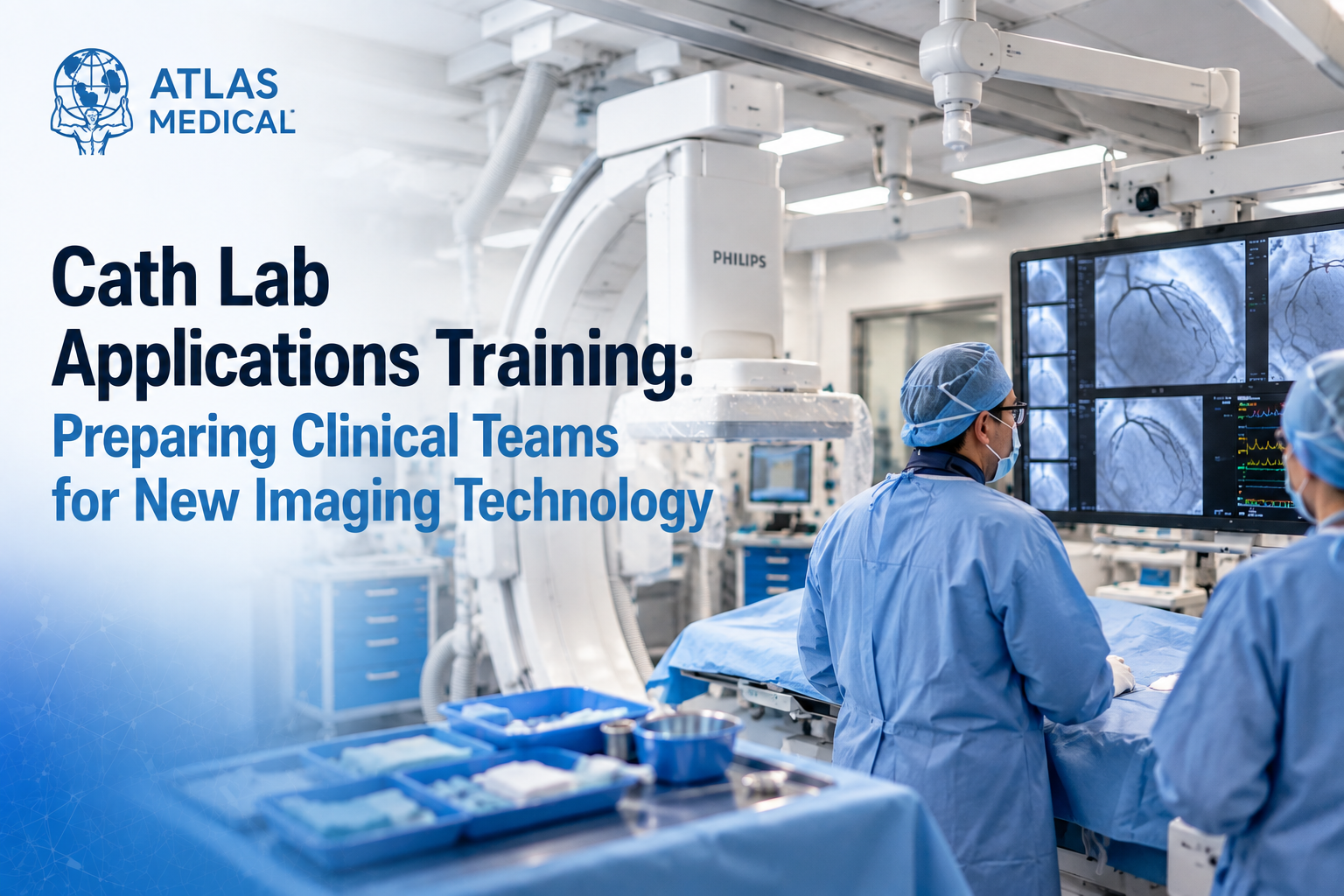
Installing or gaining access to a cath lab imaging system is only part of getting the room ready for clinical use.  The people operating the technology also need to understand how that particular system fits into their daily workflow. A clinical team may already have years of cath lab experience and still need time to become comfortable with a different interface, room controls, imaging modes, table and C-arm movements, image review tools, and system-specific workflows. That is where cath lab applications training becomes valuable. Rather than teaching cath lab fundamentals, applications training focuses on helping experienced clinical teams understand and effectively use the imaging technology available to them. Hospitals that need project-based support can explore Atlas Medical's imaging applications training and temporary technologist staffing .
By Jared Labtic September 8, 2026
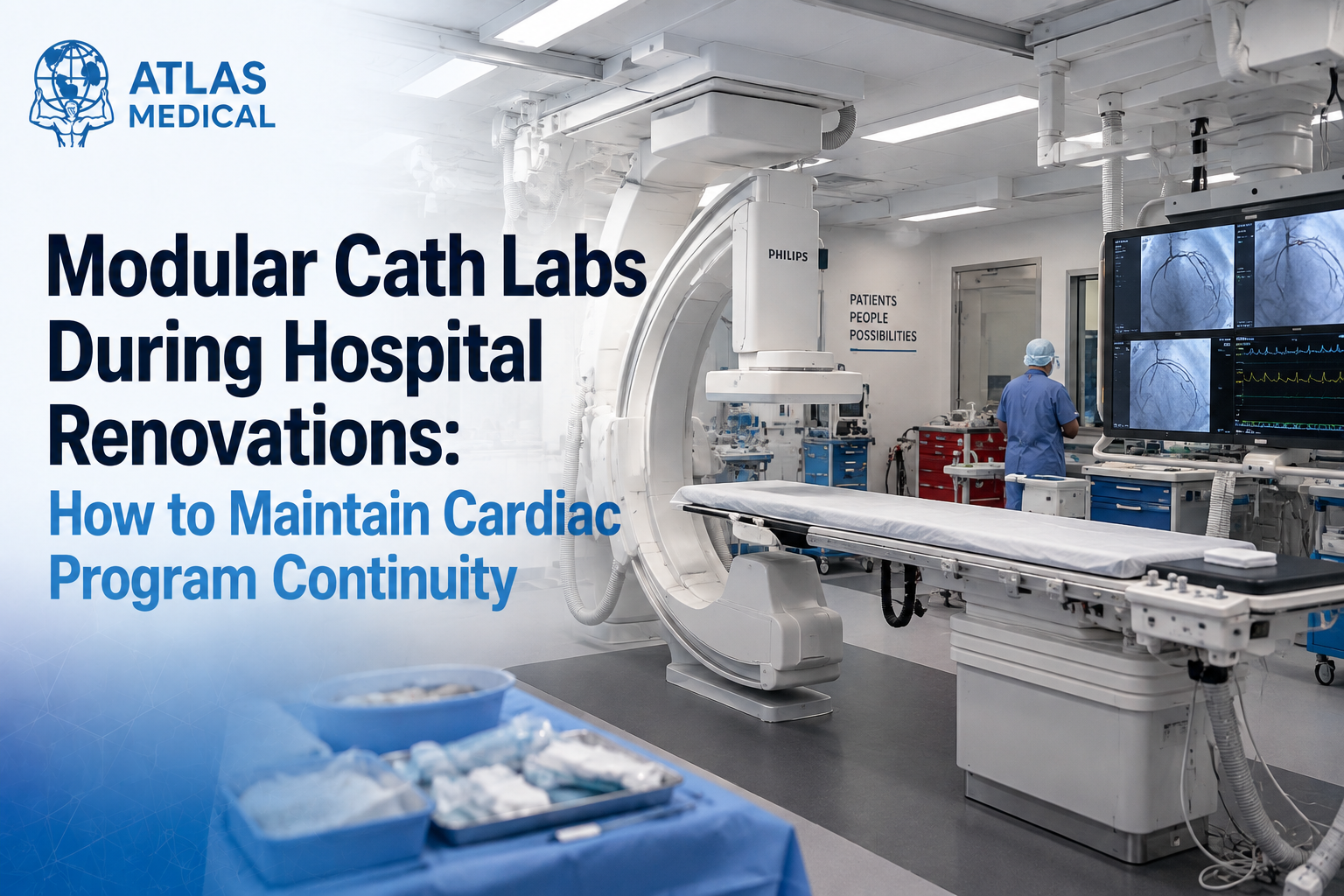
A cath lab renovation creates an unusual planning challenge for hospitals: the project is designed to improve cardiac services, but completing it may temporarily take critical procedural space out of operation. The construction schedule is only part of the problem.  Hospital leaders also have to decide what happens to procedures, physicians, staff, patients, and workflows while the permanent lab is unavailable. A modular cath lab for hospital renovation can provide temporary procedural capacity on-site while work progresses inside the permanent facility. Atlas Medical specifically positions its modular cath lab rentals for renovations, temporary capacity, and projects where hospitals need to keep cases running. The key is to treat the modular lab as part of the renovation strategy—not as equipment that gets added after the construction plan is already finished.
By Jared Labtic September 1, 2026
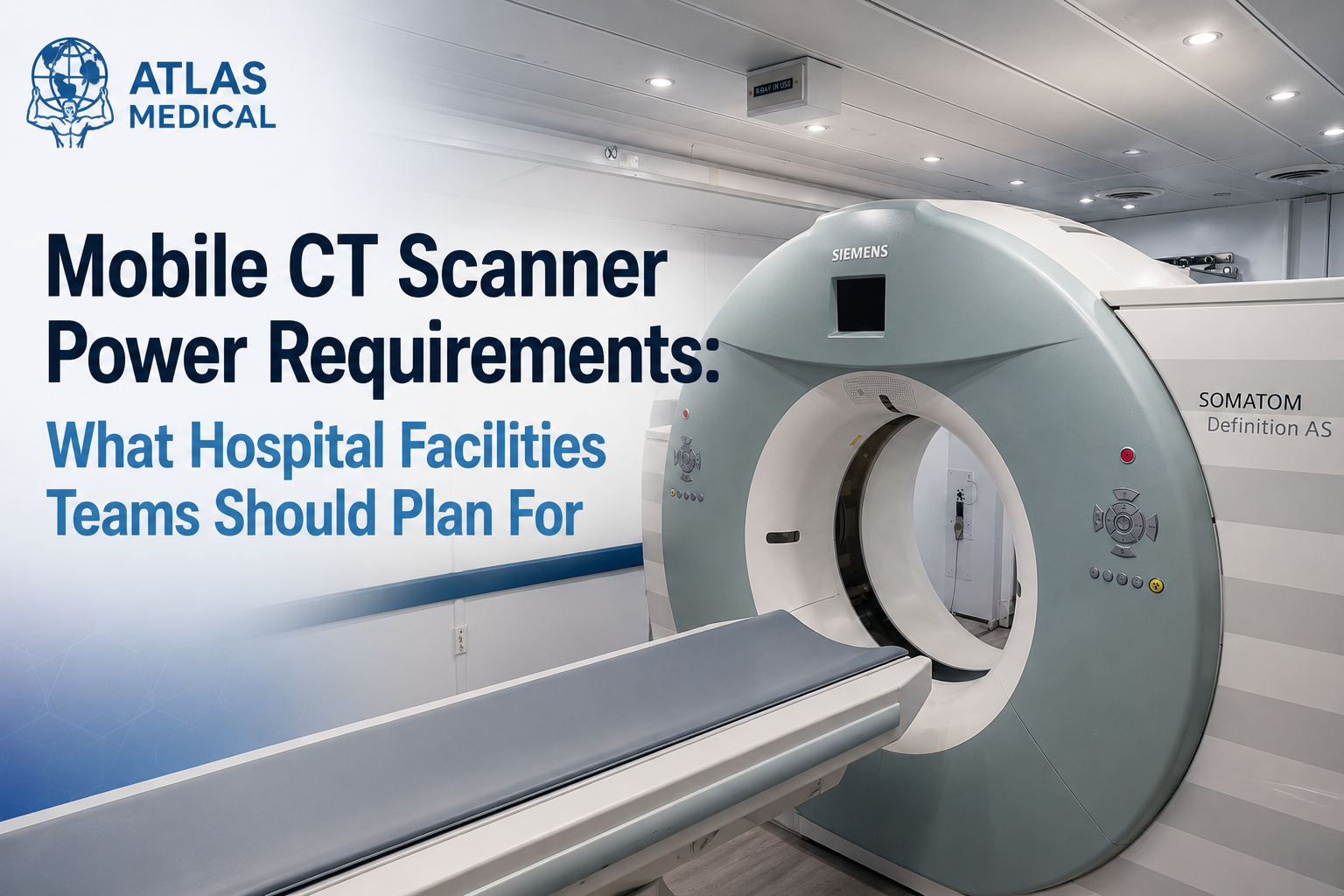
A mobile CT scanner may arrive on a trailer, but it still needs the electrical infrastructure required to operate advanced diagnostic imaging equipment. For hospital facilities and engineering teams, that makes power one of the first technical questions to resolve before delivery. Atlas Medical notes that a typical mobile CT unit requires 480V, 3-phase power . However, hospitals should not treat that figure as a universal specification for every trailer or scanner. The electrical requirements should always be confirmed for the specific mobile CT unit assigned to the project. Getting that information early gives facilities teams time to evaluate the site's existing electrical capacity, determine whether electrical work is necessary, coordinate responsibilities, and have the connection ready before the mobile unit arrives.
By Jared Labtic August 30, 2026
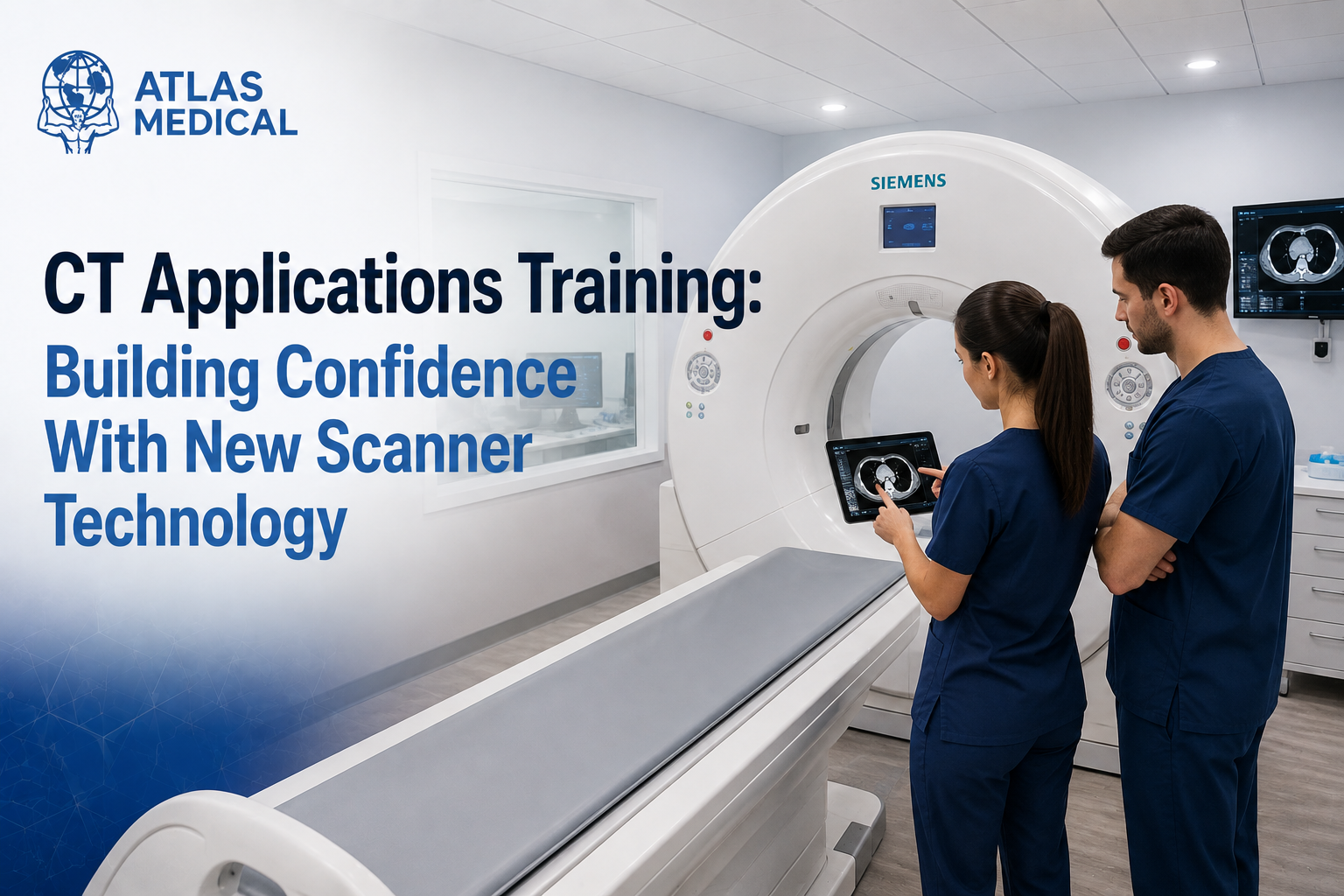
An experienced CT technologist already understands patient care, positioning, scan preparation, and the clinical demands of a busy imaging department. What changes when the scanner changes is the technology used to perform that work. A new interface, different protocol structure, unfamiliar reconstruction tools, or a change in manufacturer can create a learning curve even for an experienced team. CT applications training gives technologists hands-on, system-specific support so they can understand how the scanner fits into their department's clinical workflow. Hospitals may need this support when installing a scanner, replacing older equipment, changing OEM platforms, introducing advanced applications, opening a temporary imaging location, or onboarding additional staff. Atlas Medical provides imaging applications training and temporary technologist staffing for hospitals and imaging providers with project-based clinical support needs.